





































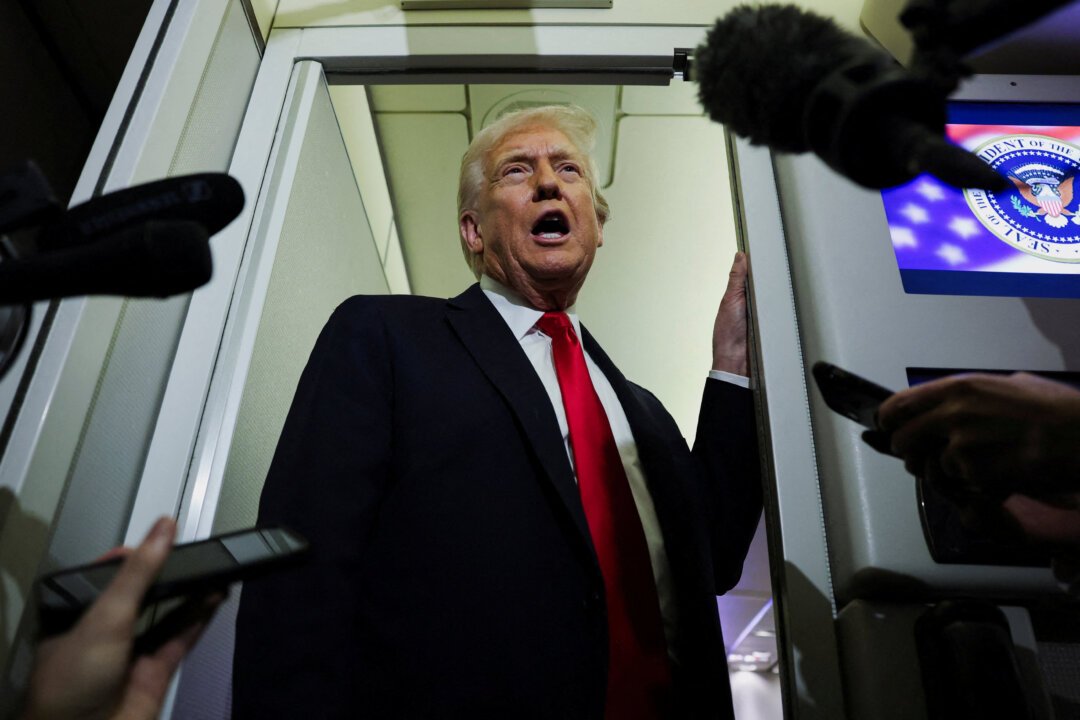
President Donald Trump unveiled sweeping immigration proposals on November 27, declaring his intention to “permanently pause migration from all Third World countries” while simultaneously removing foreign nationals he deems “incapable of loving” the United States.

Speaking to reporters aboard Air Force One during his travel from Joint Base Andrews, Maryland, to Palm Beach, Florida, Trump positioned these drastic measures as essential steps for America’s recovery and renewal.
In a subsequent Truth Social post, the president painted a stark picture of America’s current state, arguing that while the nation has achieved remarkable technological advancement, its immigration policies have systematically undermined these gains and deteriorated living conditions for American citizens.
The announcement represents one of Trump’s most comprehensive immigration overhauls since taking office, targeting what he characterizes as a fundamental restructuring of America’s approach to foreign migration. The president framed the policy as necessary to allow the U.S. system to achieve “full recovery” from what he views as years of misguided immigration practices.
Trump’s latest immigration stance builds upon his administration’s ongoing efforts to reshape America’s border security and migration policies. The president has consistently argued that current immigration frameworks have failed to serve American interests, pointing to various social and economic challenges he attributes to existing policies.
The proposed measures would mark a significant departure from traditional U.S. immigration approaches, potentially affecting millions of prospective immigrants from nations classified under Trump’s “Third World” designation. However, the administration has yet to provide specific details about implementation timelines or the criteria that would be used to determine which countries fall under this classification.
The announcement comes as Trump continues to prioritize immigration reform as a cornerstone of his domestic policy agenda, consistently positioning border security and migration control as critical issues facing American communities nationwide.
While the president emphasized the necessity of these measures for national recovery, critics are likely to challenge both the constitutional authority for such sweeping changes and the practical mechanisms for implementing what would represent a fundamental shift in American immigration policy.