





































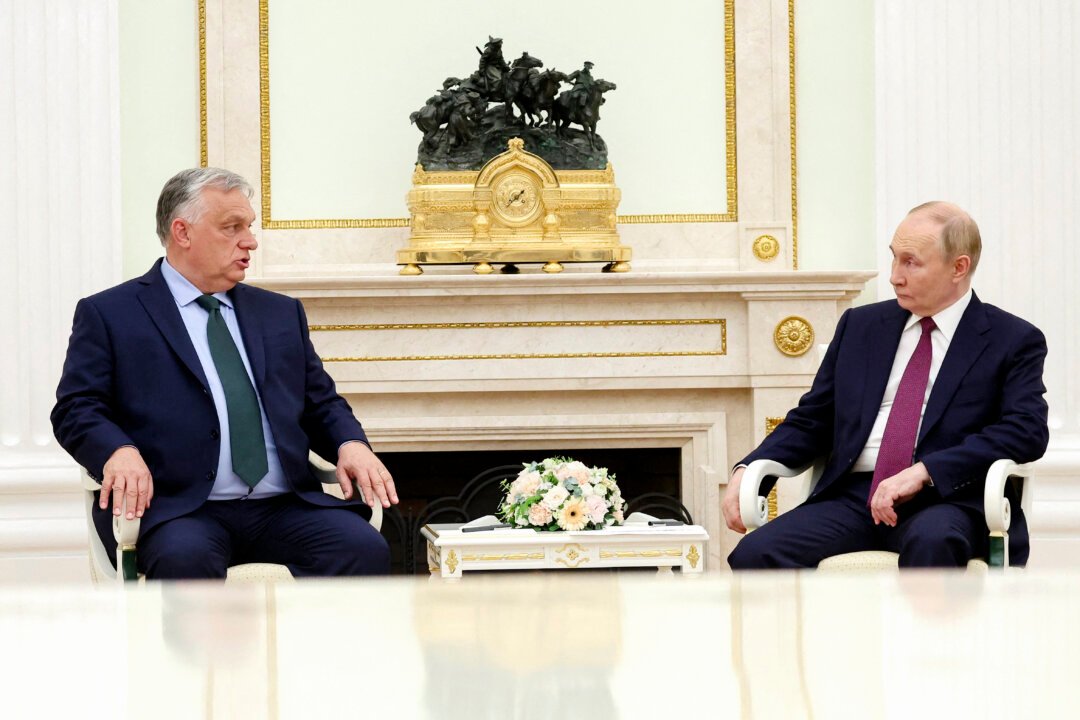
Hungarian Prime Minister Viktor Orbán is set to hold crucial discussions with Russian President Vladimir Putin in Moscow on November 28, focusing on securing vital crude oil and natural gas supplies for his nation as winter approaches.

The high-stakes meeting comes at a pivotal moment for European energy security, with Orbán emphasizing the urgent nature of Hungary’s energy needs in a video statement shared on his Facebook page.
“I am going to ensure that Hungary’s energy supply is secured for the winter and next year,” Orbán declared, underscoring the critical importance of maintaining stable energy flows during the coldest months ahead.
This diplomatic engagement takes place against the backdrop of a significant development earlier this month, when the United States granted Hungary an exemption from Russian energy sanctions. This exemption provides Budapest with continued access to Russian energy resources while much of Europe grapples with supply diversification challenges.
The Moscow meeting represents another chapter in the complex relationship between Hungary and Russia, with energy cooperation remaining a cornerstone of bilateral ties despite broader geopolitical tensions. Hungary’s continued reliance on Russian energy sources has consistently set it apart from many of its European Union counterparts, who have been working to reduce their dependence on Moscow’s energy exports.
For Putin, the meeting offers an opportunity to maintain crucial economic partnerships within the EU framework, particularly as Russia seeks to preserve its energy export revenues amid ongoing international sanctions pressure.
The timing of these talks highlights the ongoing challenges facing European nations as they navigate the delicate balance between energy security and geopolitical considerations. Hungary’s approach underscores the practical realities many countries face in ensuring adequate energy supplies for their populations, especially during peak winter demand periods.
As both leaders prepare for their discussions, the outcome of this meeting could have broader implications for European energy markets and Hungary’s continued energy relationship with Russia in the months ahead.