






































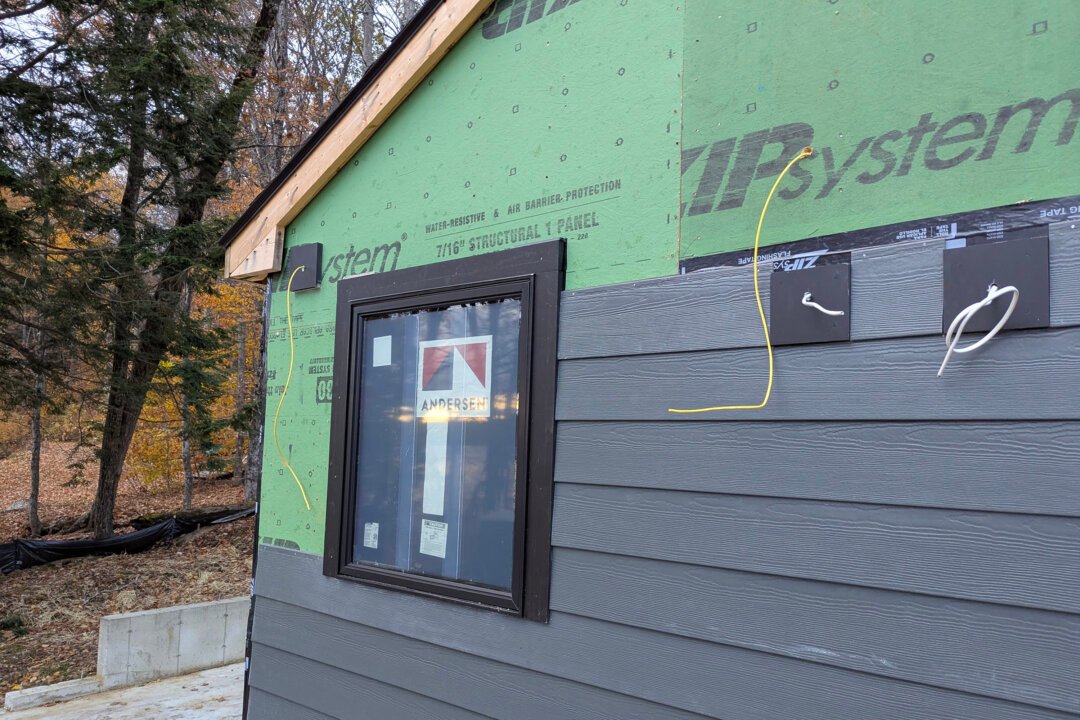
The siding on this house is being applied directly over the wood sheathing. The sheathing has a plastic covering, and tape is required to prevent water from infiltrating into the wall cavity. Tim Carter/Tribune Content Agency

After five decades in the construction industry, I’ve learned that the most captivating conversations at any gathering revolve around real stories, not dry technical lectures. So let me share some hard-earned wisdom about one of the most destructive forces your home will ever face: water.
While water sustains human life, it becomes a relentless enemy when it infiltrates your home’s structure. This seemingly harmless liquid can trigger devastating wood rot, foster dangerous mold growth, and generate enough force to fracture solid rock and concrete with the ease of cracking an eggshell.
Understanding how water behaves around your home’s exterior is crucial for every homeowner. When moisture penetrates behind siding or brick veneer, it creates an environment where decay thrives and structural integrity weakens over time.
The photograph accompanying this article illustrates a critical installation detail that many builders overlook. The siding is being installed directly against wood sheathing that features a plastic moisture barrier. However, without proper sealing tape at the joints, this barrier becomes virtually useless against water infiltration.
Modern building science has revolutionized our understanding of moisture management. Today’s best practices require a comprehensive approach that includes proper house wrap installation, meticulous sealing of all penetrations, and strategic use of flashing materials at vulnerable areas like windows, doors, and roof intersections.
For brick installations, the stakes are equally high. Water that enters behind brick veneer needs a clear path to escape through weep holes at the base of the wall. When these drainage systems fail or become blocked, trapped moisture can cause extensive damage to both the brick and the underlying structure.
Homeowners should regularly inspect their exterior walls for signs of water intrusion, including staining, efflorescence on brick surfaces, or deteriorating mortar joints. Early detection and prompt repairs can prevent minor issues from escalating into major structural problems that cost thousands of dollars to remediate.
The lesson here is clear: respect water’s power and take proactive steps to keep it where it belongs – away from your home’s structure. Proper installation techniques, quality materials, and regular maintenance form your best defense against this persistent adversary.
About the Author: Tim Carter is the founder of AsktheBuilder.com and brings over 50 years of construction experience to homeowners seeking practical building advice. He’s an amateur radio operator who enjoys sending Morse code and lives in central New Hampshire with his wife, Kathy, and their dog, Willow. Subscribe to his FREE newsletter at AsktheBuilder.com and catch his livestreaming video Monday through Friday at 4 PM Eastern Time at youtube.com/askthebuilder.