





































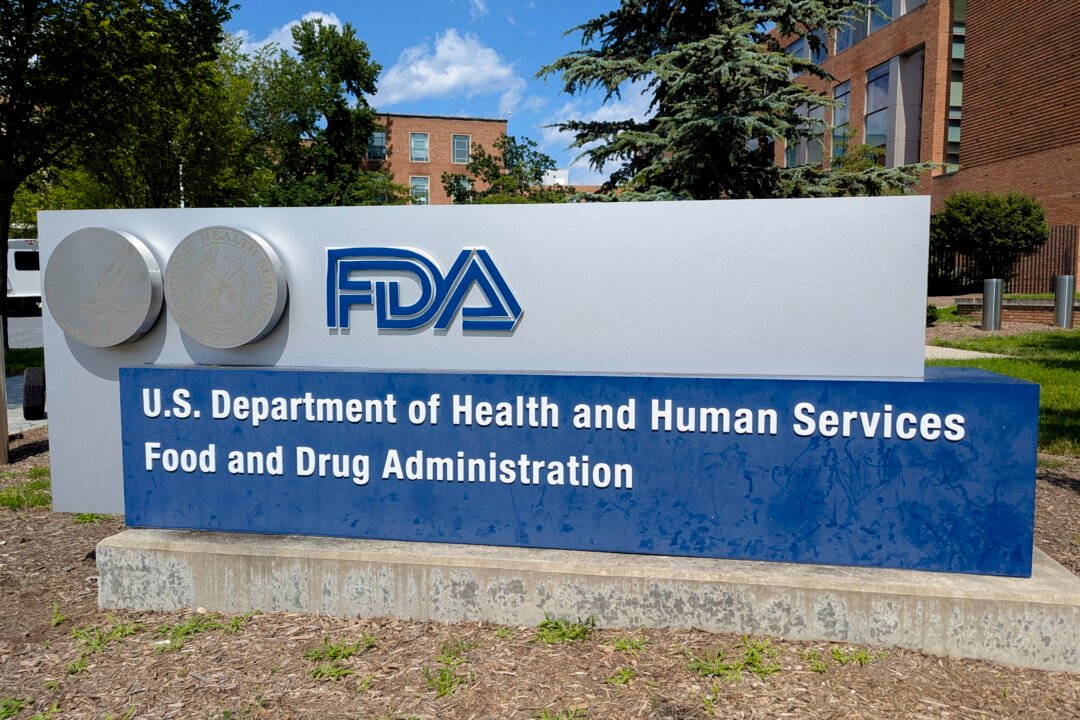
Federal health officials have escalated their recall classification for more than 41,000 bottles of Walgreens-branded nasal spray after discovering potential bacterial contamination that could pose serious health risks to consumers nationwide.

The Food and Drug Administration (FDA) upgraded the recall status for Walgreens Saline Nasal Spray With Xylitol last week, specifically targeting 41,328 bottles of the 1.5-ounce variety distributed across the United States. The agency’s decision came after laboratory testing revealed the presence of Pseudomonas lactis, a type of bacteria that can cause infections, particularly in individuals with compromised immune systems.
In an official notice published November 21, the FDA detailed the scope of the recall, which affects products that may have reached pharmacy shelves and consumer medicine cabinets throughout the country. The recall classification upgrade signals heightened concern about the potential health consequences of using the contaminated product.
Pseudomonas lactis contamination in nasal sprays presents particular risks because the bacteria can directly access sensitive nasal passages and potentially spread to other parts of the respiratory system. While healthy individuals may experience mild symptoms, those with weakened immune systems, chronic respiratory conditions, or other underlying health issues face more serious complications from bacterial exposure.
The recall underscores ongoing quality control challenges in over-the-counter medication manufacturing, where sterile production environments are critical for consumer safety. Nasal sprays, which are designed to provide relief from congestion and maintain nasal moisture, require especially stringent manufacturing standards due to their direct application to mucous membranes.
Consumers who have purchased Walgreens Saline Nasal Spray With Xylitol in 1.5-ounce bottles should immediately discontinue use and check their products against the recall information. The FDA advises returning affected products to the place of purchase for a full refund or safe disposal.
This recall adds to a growing list of pharmaceutical and over-the-counter product safety concerns that have prompted increased FDA oversight in recent months. The agency continues to work with manufacturers to ensure proper quality control measures are in place to prevent similar contamination issues.
Anyone who has used the recalled nasal spray and experienced unusual symptoms, including persistent nasal irritation, unusual discharge, fever, or respiratory issues, should consult with a healthcare provider promptly. Healthcare professionals are advised to be aware of the recall when treating patients who report adverse reactions to nasal spray products.