





































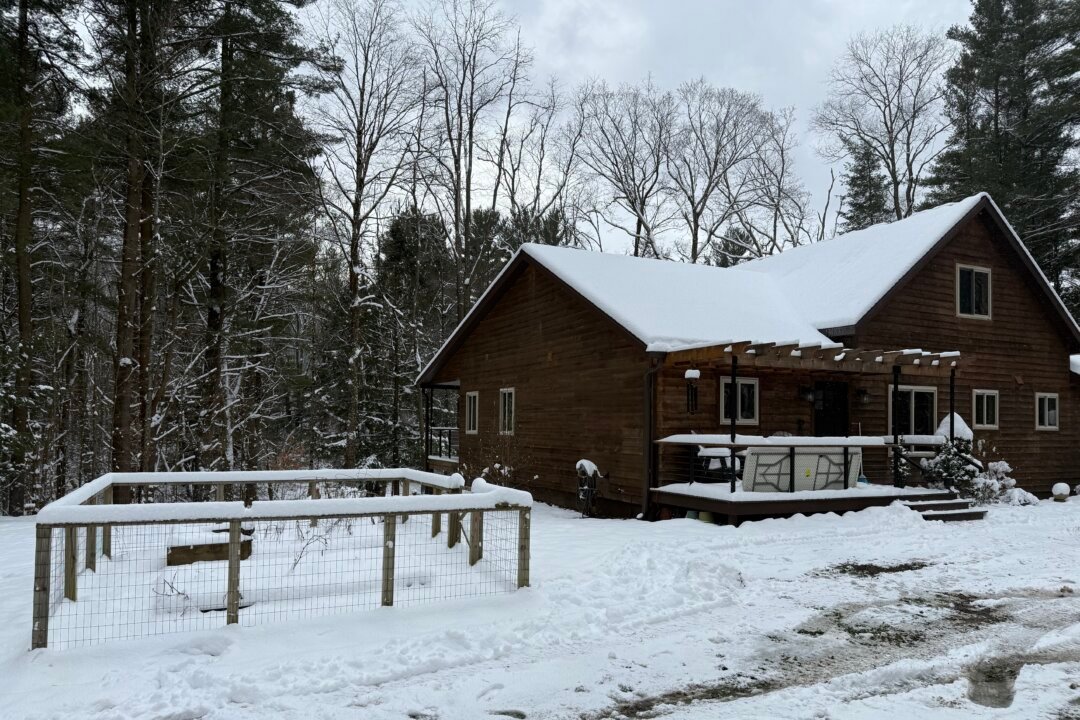
A powerful lake effect snowstorm has unleashed winter’s fury across the Midwest during one of the year’s busiest travel periods, dumping over a foot of snow in multiple states and prompting urgent warnings from meteorologists about dangerous post-Thanksgiving travel conditions.

The storm system, which began pummeling communities from Minnesota to Pennsylvania on November 26, represents one of the region’s first major snowfall events of the 2025 winter season. Within just 24 hours, several areas recorded snowfall totals exceeding 12 inches as the system drew moisture from the Great Lakes and transformed it into heavy, persistent snow bands.
The National Weather Service has issued stern warnings that the multi-day snow event will significantly disrupt travel plans for millions of Americans attempting to return home after the Thanksgiving holiday. The timing couldn’t be worse, coinciding with what aviation officials have predicted to be the busiest Thanksgiving travel period in 15 years.
Lake effect snow, a phenomenon unique to the Great Lakes region, occurs when cold air masses move across the relatively warmer lake waters, picking up moisture that then falls as intense, localized snowfall. These storms are notorious for their ability to dump tremendous amounts of snow in narrow bands while leaving nearby areas relatively unaffected.
Communities throughout the affected region are bracing for continued snowfall as the storm system shows little sign of weakening. Local authorities are urging residents to avoid unnecessary travel and are positioning snow removal equipment and emergency services to respond to weather-related incidents.
The storm’s impact extends beyond mere inconvenience, as emergency management officials prepare for potential power outages, stranded motorists, and increased demand for heating assistance. The combination of heavy snow and gusty winds associated with lake effect systems can create whiteout conditions that make travel extremely hazardous.
Weather forecasters emphasize that this early-season storm serves as a stark reminder of the Great Lakes region’s capacity to generate severe winter weather conditions. With the storm expected to persist for several more days, residents and travelers are advised to monitor weather updates closely and adjust their plans accordingly.
The economic implications of the storm are also significant, as retail businesses typically experience heavy traffic during the post-Thanksgiving shopping period. Many stores and shopping centers may see reduced foot traffic as consumers opt to stay home rather than venture out in treacherous conditions.