







































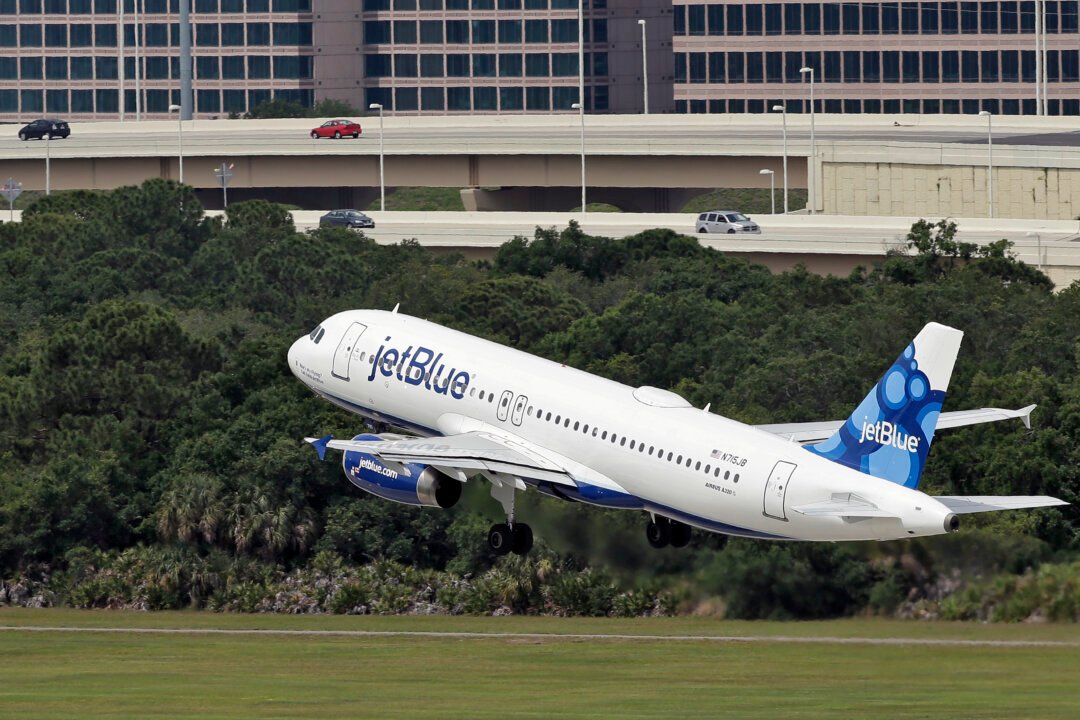
Aviation safety regulators on both sides of the Atlantic have mandated immediate software updates for all Airbus A320 passenger aircraft after investigators determined that solar radiation can corrupt critical flight control systems, potentially causing pilots to lose command of their aircraft mid-flight.

The unprecedented directive from the Federal Aviation Administration and the European Union Aviation Safety Agency comes following a harrowing incident where a solar flare triggered a dangerous altitude drop that left at least 15 passengers injured. The investigation revealed a previously unknown vulnerability in the aircraft’s flight management systems that could be exploited by intense solar radiation during geomagnetic storms.
The aerospace manufacturer Airbus, headquartered in France with significant operations in the Netherlands, now faces the massive task of coordinating software patches across its global A320 fleet. The narrow-body aircraft family represents one of the most widely used commercial jets worldwide, with thousands currently in service across major airlines.
According to safety investigators, the solar storm interference corrupted essential flight data, causing the aircraft’s automated systems to malfunction during what should have been routine flight operations. The swift altitude change caught passengers and crew off guard, resulting in injuries as individuals were thrown about the cabin during the unexpected maneuver.
This marks the first documented case where space weather has directly compromised modern commercial aviation flight control software, raising new concerns about the aviation industry’s preparedness for increasingly frequent solar activity. Scientists have warned that the current solar cycle is approaching its peak, potentially leading to more intense geomagnetic storms in the coming years.
Airlines operating A320 aircraft must now prioritize the installation of updated software designed to filter out solar radiation interference and provide backup protocols when space weather threatens flight systems. The regulatory agencies have classified this as an urgent airworthiness directive, meaning compliance is mandatory and must be completed within specified timeframes.
The incident highlights the growing vulnerability of modern aircraft systems to external electromagnetic interference, as planes become increasingly dependent on sophisticated computer networks for navigation, communication, and flight control. Aviation safety experts emphasize that while such events remain extremely rare, the potential consequences require immediate industry-wide attention.
Passengers flying on A320 aircraft can expect some potential flight delays as airlines work to implement the required software updates across their fleets. However, aviation authorities stress that the flying public should not be alarmed, as the newly identified risk is being proactively addressed through these mandatory safety measures.
The collaboration between American and European aviation regulators demonstrates the international aviation community’s commitment to addressing emerging safety challenges that transcend national boundaries. This coordinated response ensures that safety standards remain consistent regardless of where A320 aircraft operate around the globe.