





































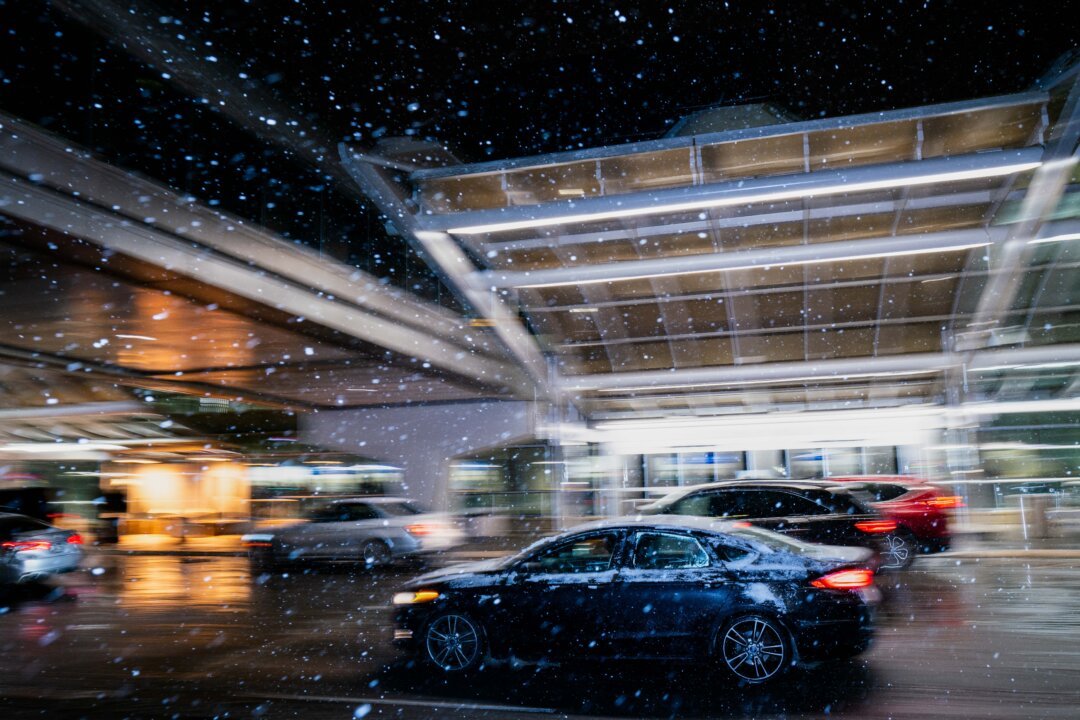
Holiday travelers across the Midwest and Great Lakes region found themselves stranded Friday as a powerful winter storm unleashed heavy snow and fierce winds, triggering widespread flight disruptions that left thousands scrambling to reach their destinations after Thanksgiving.

The multi-day weather system showed no signs of relenting as it continued its destructive path through the nation’s heartland, transforming what should have been smooth holiday homecomings into travel nightmares for countless families.
On November 29 alone, thousands of flights departing from Midwest and Great Lakes airports were either delayed or cancelled entirely, creating a domino effect of complications that rippled through the nation’s air travel network.
“A significant winter storm will produce a broad area of moderate to heavy snow and gusty winds from the Midwest through the western Great Lakes causing hazardous travel conditions,” the National Weather Service warned in its Friday advisory.
The timing couldn’t have been worse for travelers. The storm struck during one of the busiest travel periods of the year, when millions of Americans attempt to return home following Thanksgiving celebrations. Airport terminals from Minneapolis to Chicago became crowded with frustrated passengers clutching boarding passes for flights that may not take off for hours—or at all.
Weather conditions deteriorated rapidly throughout the day, with visibility dropping dramatically as snow accumulated on runways and taxiways. Ground crews worked tirelessly to keep critical airport infrastructure operational, but the relentless snowfall and gusty winds made safe aircraft operations increasingly challenging.
The storm’s impact extended far beyond airports, with road conditions becoming treacherous across multiple states. State transportation departments issued urgent advisories urging drivers to avoid unnecessary travel, while those already on the road faced white-knuckle driving conditions with reduced visibility and snow-covered highways.
Airlines began proactively cancelling flights early in the day, hoping to minimize passenger disruptions and avoid the safety risks associated with operating in severe winter weather. However, the ripple effects of these cancellations created a backlog that will likely persist well into the weekend.
For many travelers, the storm represents more than just an inconvenience—it’s a costly disruption that could affect work schedules, family plans, and holiday celebrations that took months to coordinate. Hotels near major airports reported surges in last-minute bookings as stranded passengers sought accommodation while waiting for the weather to clear.
The National Weather Service indicated that the storm system would continue affecting the region through the weekend, suggesting that travel disruptions could persist for several more days. Passengers were advised to check with their airlines frequently for updates and to consider flexible rebooking options if available.
This latest weather event serves as a stark reminder of winter’s unpredictable power and its ability to bring modern transportation networks to a standstill, leaving travelers at the mercy of Mother Nature during what should be a joyful holiday season.