





































A striking new survey reveals that the majority of American adults are declining to get the latest COVID-19 vaccine boosters, signaling a significant shift in public health behavior as the pandemic continues to evolve.

According to research conducted by the Pew Research Center, a substantial 59 percent of adults surveyed indicated they have no intention of receiving the updated COVID-19 vaccines that became available during the fall season. This finding suggests a growing hesitancy among the American public toward continued vaccination efforts, despite ongoing recommendations from health authorities.
The survey results paint a clear picture of vaccine fatigue among the population, with nearly six out of ten adults expressing reluctance to pursue additional COVID-19 immunizations. This trend represents a notable departure from earlier phases of the pandemic when vaccine demand was considerably higher.
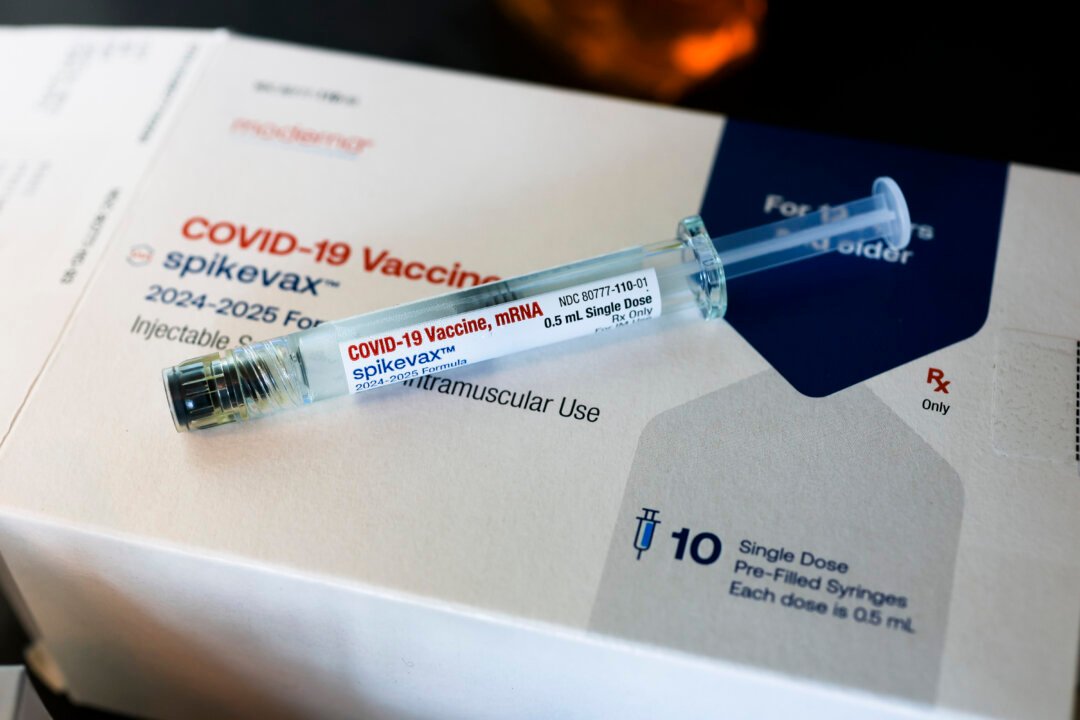
The updated COVID-19 vaccines referenced in the survey were specifically designed to address newer variants of the virus and were made available to the public during the autumn months. These formulations represent the latest efforts by pharmaceutical companies and health officials to maintain protection against the evolving coronavirus.
The Pew Research findings highlight the challenges facing public health officials as they work to maintain vaccination rates amid changing public attitudes. The significant percentage of adults declining updated vaccines suggests that messaging strategies and public health campaigns may need to be reassessed to address current concerns and hesitations.
This survey data comes at a time when health experts continue to monitor viral mutations and assess the effectiveness of existing vaccines against new strains. The reluctance of a majority of adults to pursue updated vaccinations could have implications for community immunity levels and future public health planning.
The research underscores the complex relationship between public perception, vaccine confidence, and ongoing pandemic response efforts. As the virus continues to circulate and evolve, the gap between available medical interventions and public willingness to utilize them remains a significant consideration for policymakers and healthcare providers.