




































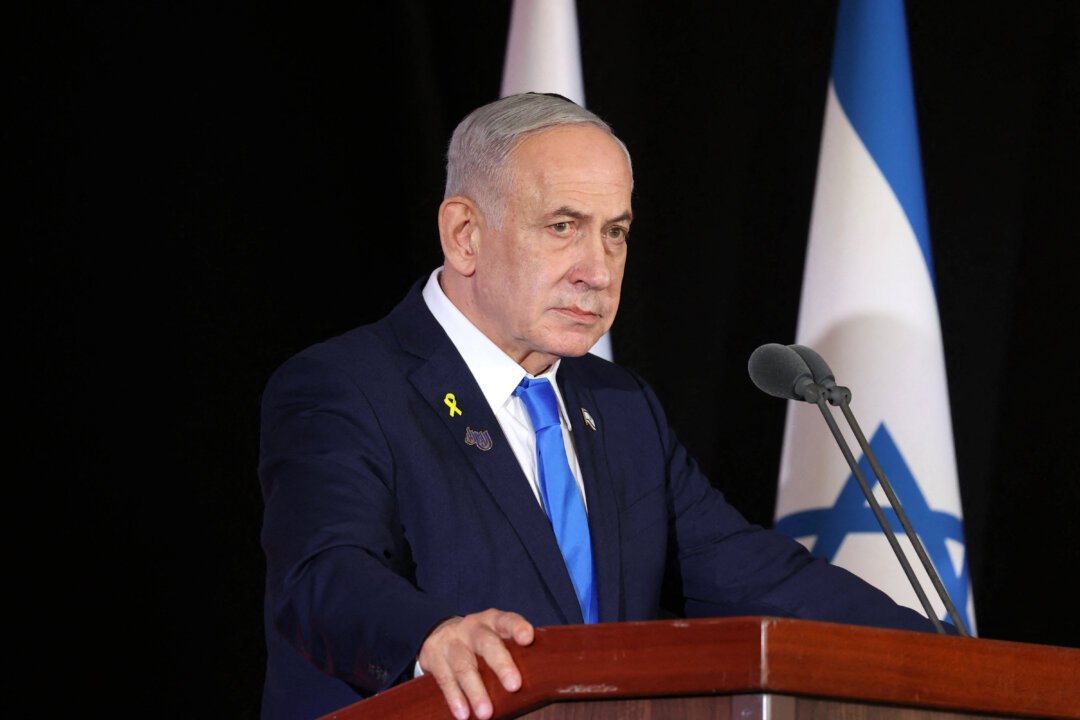
In an unprecedented move that has sent shockwaves through Israeli politics, Prime Minister Benjamin Netanyahu has formally requested a presidential pardon from President Isaac Herzog to resolve the corruption charges that have shadowed his leadership for the past five years.

The embattled Israeli leader made the stunning announcement on November 30, confirming that his legal team had submitted the pardon request directly to the president’s office. “My lawyers filed today a pardon request to the state’s president,” Netanyahu stated in a declaration originally delivered in Hebrew.
This dramatic development marks a pivotal moment in one of Israel’s most closely watched legal proceedings. Netanyahu was formally indicted in 2019 on a trio of serious charges: bribery, fraud, and breach of trust, allegations that have dominated headlines and political discourse throughout his tenure as the nation’s longest-serving prime minister.
The corruption cases have created a complex web of legal and political challenges for Netanyahu, who has consistently maintained his innocence while simultaneously leading the country through multiple crises, including the ongoing conflict in Gaza and regional security concerns.
The timing of the pardon request is particularly significant, coming as Netanyahu’s legal team appears to be pursuing an alternative resolution to the lengthy court proceedings that have stretched across multiple years. The move represents a stark shift in strategy for a leader who has previously fought the charges through traditional legal channels.
Presidential pardons in Israel are rare and typically reserved for exceptional circumstances. President Herzog now faces the weighty decision of whether to grant clemency to a sitting prime minister, a choice that could have far-reaching implications for Israeli democracy and the rule of law.
The corruption allegations stem from multiple investigations into Netanyahu’s dealings with media moguls and wealthy businessmen. Prosecutors have alleged that the prime minister accepted expensive gifts and engaged in quid pro quo arrangements to secure favorable media coverage and advance personal interests.
As this story continues to unfold, the Israeli public and international observers alike are watching closely to see how President Herzog will respond to this extraordinary request, and what impact the decision will have on the country’s political landscape moving forward.