



































In the remote mountains of Ecuador, a middle-aged woman named Beronica sat across from an American doctor, struggling to answer what seemed like simple questions. She couldn’t recall her birthday. She had no idea how old she was. These weren’t signs of memory loss—they were the lingering effects of crushing poverty that had defined her entire life.

Beronica was one of 12 children born into such severe destitution that her parents couldn’t afford birthday celebrations for any of their offspring. Education was an impossible luxury. To spare themselves and their children the pain of acknowledging what they couldn’t provide, Beronica’s parents made a heartbreaking choice: they simply never spoke of birthdays at all.
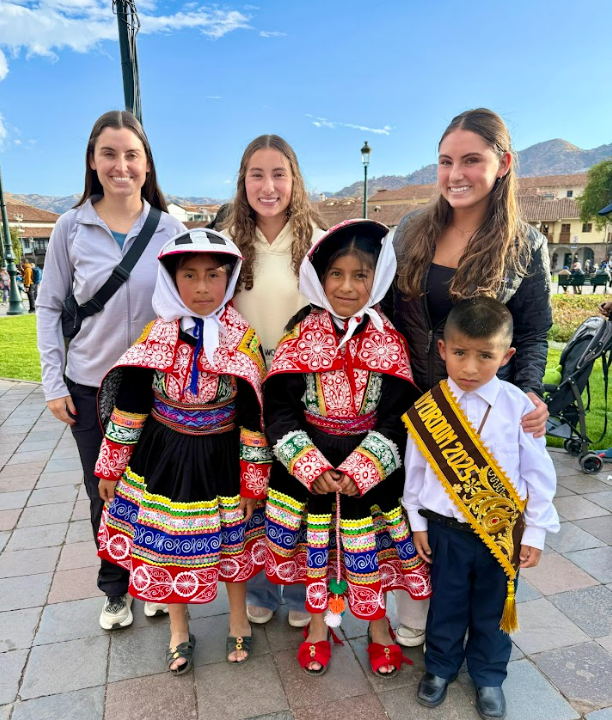
Witnessing this conversation were three young Americans whose lives couldn’t have been more different from Beronica’s: sisters Cassie, Jessie, and Alexis Ross from Huntington Beach, California. As the weight of the woman’s story settled over them, tears welled in their eyes. For girls who had grown up with comfort and privilege, the idea of never celebrating a birthday—or not even knowing when you were born—was almost incomprehensible.
This encounter represents just one of countless moments that have shaped the Ross sisters’ worldview as they accompany their father, a medical doctor, on annual humanitarian missions to some of Latin America’s most impoverished regions. These expeditions have become far more than medical outreach—they’ve evolved into transformative experiences that are building character, compassion, and global awareness in three young American women.
The sisters’ journey into international humanitarian work began as family trips but has grown into something much more significant. Each year, they venture into remote villages where basic medical care is scarce or nonexistent, bringing not only their father’s medical expertise but also toys, supplies, and most importantly, hope to communities that have been largely forgotten by the outside world.
From Comfort to Compassion
The stark contrast between the girls’ comfortable California lifestyle and the conditions they encounter in South America has proven to be a powerful catalyst for personal growth. These experiences have challenged them to look beyond their own circumstances and develop a deep understanding of global inequality and human suffering.
Through their participation in these missions, Cassie, Jessie, and Alexis have witnessed firsthand how poverty affects every aspect of life—from basic healthcare and education to something as fundamental as celebrating the day you were born. These encounters with harsh realities have fostered in them a sense of responsibility and a desire to make a meaningful difference in the world.
The annual missions have become a cornerstone of the Ross family’s values, demonstrating how travel and service can be combined to create profound learning experiences for young people. Rather than typical family vacations, these trips expose the sisters to real-world challenges while allowing them to contribute actively to solutions.
Building Bridges Through Service
What makes the Ross family’s approach particularly impactful is their commitment to bringing joy alongside medical care. The sisters don’t just observe their father’s work—they actively participate by distributing toys and engaging with local children, creating moments of happiness in communities where such opportunities are rare.
This hands-on involvement has taught the girls that compassion requires action, not just sympathy. They’ve learned that small gestures—a toy, a smile, or simply taking time to connect with someone from a vastly different background—can have profound impacts on both the giver and receiver.
The relationships formed during these missions extend far beyond the brief time the family spends in each location. The experiences have created lasting bonds and memories that continue to influence the sisters’ perspectives long after they return to California.
Lessons That Last a Lifetime
For the Ross sisters, these missions represent more than charitable work—they’re formative experiences that are shaping their understanding of privilege, responsibility, and human connection. By witnessing stories like Beronica’s, they’re developing empathy that extends far beyond their immediate community.
The impact of these experiences is evident in how the sisters approach their daily lives back home. Having seen firsthand how little some families have, they’ve gained a deeper appreciation for their own circumstances while maintaining a commitment to helping others whenever possible.
As they continue to grow and develop their own paths in life, the lessons learned during these South American missions will likely influence their career choices, relationships, and ongoing commitment to service. The compassion they’ve developed through these experiences represents an investment not just in their own character development, but in the kind of leaders and global citizens they’ll become.
The Ross family’s story demonstrates how intentional exposure to different cultures and challenging circumstances can create powerful learning opportunities for young people, fostering the kind of global awareness and compassionate leadership that our interconnected world desperately needs.