





































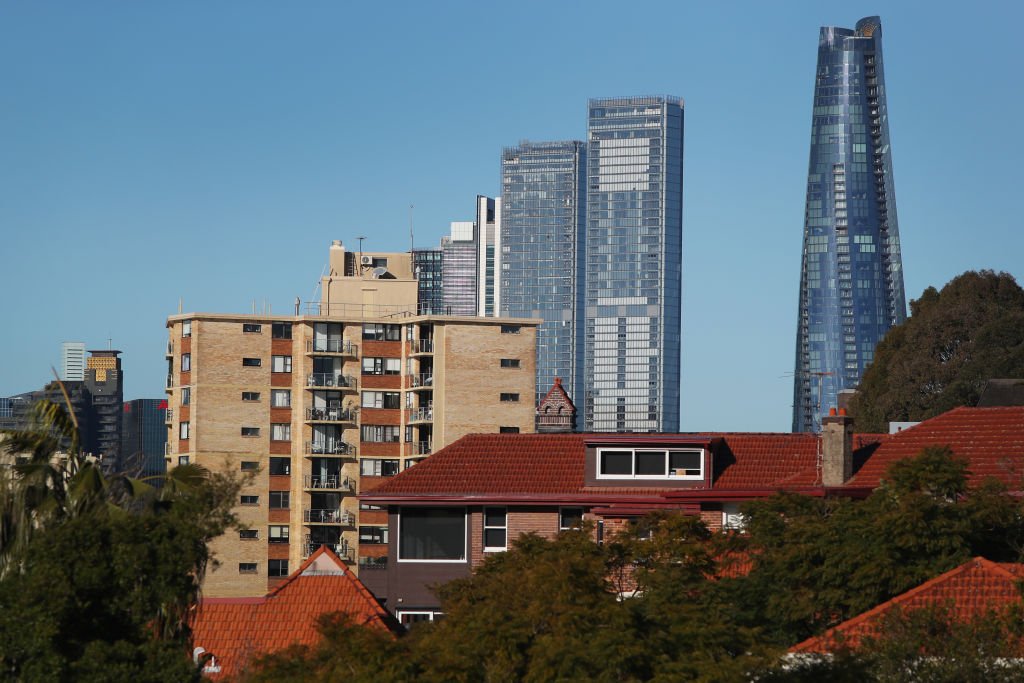
Australia’s residential property market has demonstrated remarkable resilience, delivering its third consecutive month of solid gains in November as home values climbed 1 percent nationwide, according to the latest data from property analytics firm Cotality.

The sustained growth trajectory represents a significant shift in market dynamics, with national property values maintaining momentum at or above the 1 percent threshold for three straight months. However, the pace of growth has shown signs of moderation compared to the explosive increases witnessed in earlier periods.
The nation’s two largest property markets presented a tale of contrasting fortunes, with Sydney recording a modest 0.5 percent increase while Melbourne managed a more conservative 0.3 percent rise. These figures underscore a notable divergence between the major capitals and their smaller counterparts, which have been driving much of the national growth.
The performance gap between Australia’s premier cities and regional capitals has become increasingly pronounced, suggesting that affordability pressures and market saturation in Sydney and Melbourne may be prompting buyers to explore opportunities in secondary markets.
Industry analysts point to several factors contributing to the sustained upward pressure on property values, including persistent housing supply shortages, robust employment conditions, and continued population growth driven by immigration recovery.
The November data reinforces the Australian property market’s capacity to maintain upward momentum despite ongoing economic headwinds, including interest rate pressures and cost-of-living concerns that have dominated household budgets throughout 2025.
For potential homebuyers and investors, the current market conditions present both opportunities and challenges, with the smaller capital cities emerging as increasingly attractive alternatives to the traditionally dominant Sydney and Melbourne markets.
The continued strength in property values also has broader implications for household wealth and consumer confidence, as real estate remains the largest asset class for most Australian families. This sustained growth trajectory is likely to influence Reserve Bank considerations regarding monetary policy settings in the coming months.
As the property market heads into the traditionally quieter summer period, all eyes will be on whether this growth momentum can be sustained into 2026, particularly given the evolving economic landscape and potential policy changes on the horizon.