




































The White House is expressing renewed optimism about America’s economic trajectory for 2026, citing a significant uptick in consumer spending during the critical Thanksgiving and Black Friday shopping period.

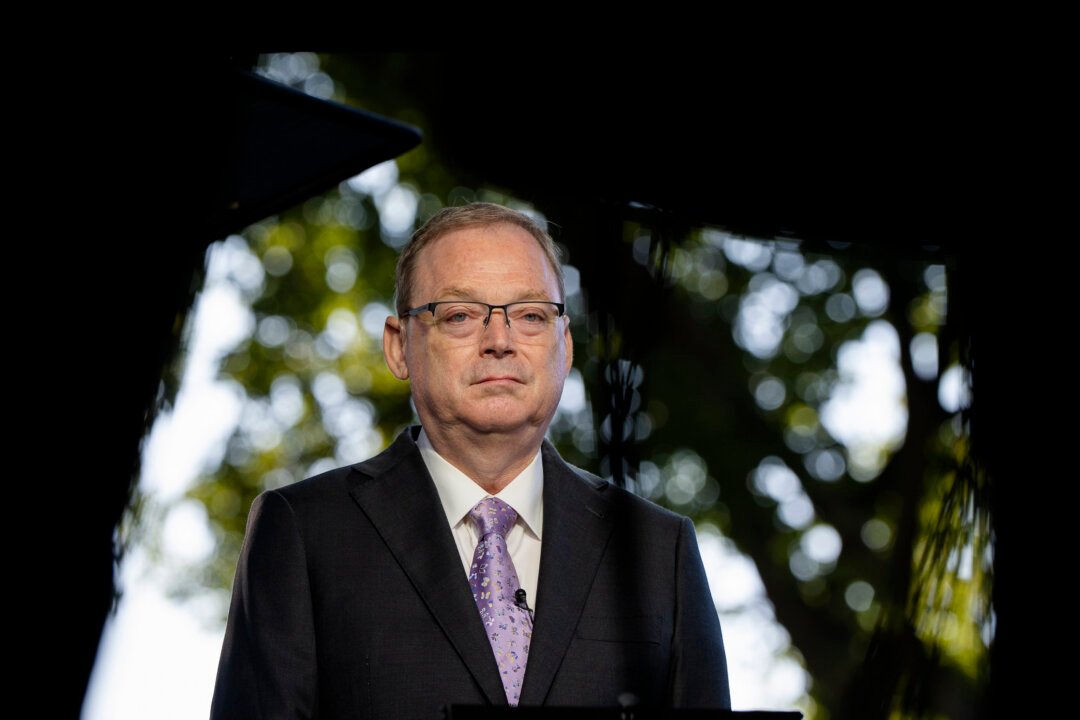
Kevin Hassett, director of the White House National Economic Council, revealed during a Sunday appearance on CBS News’s “Face the Nation” that Black Friday online sales surged approximately 10 percent compared to the same shopping day in 2024. This robust consumer activity has bolstered the administration’s confidence in sustained economic growth prospects.
The Black Friday spending surge represents a key economic indicator that the White House is closely monitoring as it assesses the nation’s financial health heading into the new year. Consumer spending, which drives roughly two-thirds of U.S. economic activity, often serves as a barometer for broader economic trends and household financial confidence.
Hassett’s comments come at a pivotal time when economic forecasters and policymakers are evaluating various signals to gauge the economy’s direction. The 10 percent year-over-year increase in online Black Friday sales suggests that American consumers remain willing to open their wallets despite ongoing concerns about inflation and economic uncertainty that have dominated headlines throughout much of 2025.
The National Economic Council chief’s optimistic assessment reflects the administration’s broader strategy of highlighting positive economic data points while acknowledging the complex challenges facing American households. Holiday shopping patterns have historically provided valuable insights into consumer sentiment and spending power, making the Black Friday metrics particularly significant for economic planning purposes.
As retail analysts continue to compile comprehensive data from the extended holiday shopping weekend, the preliminary Black Friday figures offer an early glimpse into consumer behavior during one of the year’s most crucial retail periods. The strong online sales performance also underscores the continued shift toward digital commerce, a trend that has fundamentally reshaped the American retail landscape in recent years.
The White House’s confidence in 2026 economic growth, bolstered by these encouraging shopping trends, sets the stage for continued policy discussions about maintaining economic momentum while addressing persistent challenges such as housing costs, healthcare expenses, and regional economic disparities that continue to impact American families nationwide.