





































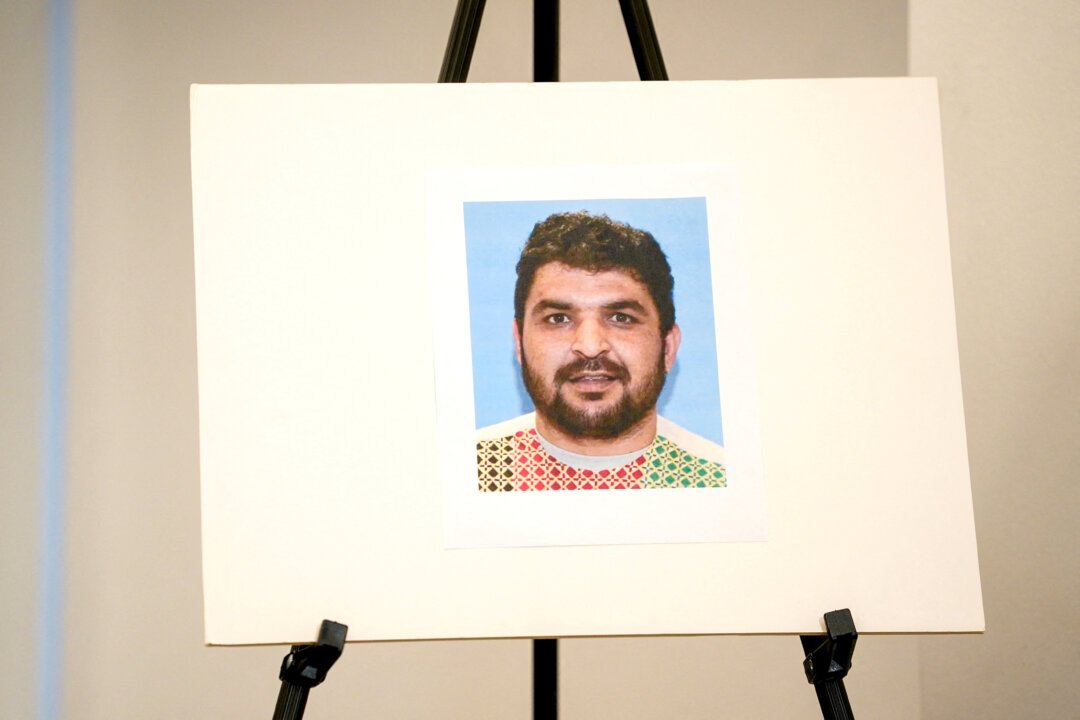
Federal investigators are exploring whether a former CIA asset from Afghanistan became radicalized after arriving in the United States, following his alleged deadly attack on two National Guard members in Washington D.C. last week.

Homeland Security Secretary Kristi Noem revealed on November 30 that Rahmanullah Lakanwal, the 29-year-old Afghan national accused in the shooting, may have undergone radicalization after entering American territory. The revelation adds a troubling dimension to an incident that has already sparked intense scrutiny of the nation’s vetting procedures for Afghan evacuees.
Lakanwal stands accused of fatally shooting 20-year-old National Guard member Sarah Beckstrom and wounding 24-year-old Andrew Wolfe during the November 26 attack in the nation’s capital. The suspect had previously worked alongside CIA operatives during the prolonged conflict in Afghanistan, raising serious questions about how a former ally allegedly turned against American service members.
The shooting has sent shockwaves through military and intelligence communities, particularly given Lakanwal’s background as someone who had cooperated with U.S. forces overseas. His transition from CIA collaborator to suspected domestic terrorist represents a significant security concern for federal agencies tasked with monitoring potential threats.
According to Noem’s statement, federal investigators are conducting extensive interviews with the suspect’s family members and known associates as they work to piece together the timeline and circumstances that may have led to his alleged radicalization. The Homeland Security secretary indicated that authorities would provide additional details to the public as the investigation progresses and when it becomes appropriate to do so.
The case highlights ongoing challenges faced by U.S. immigration and security officials in assessing long-term risks associated with individuals who initially appeared to be trusted allies. Thousands of Afghan nationals who worked with American forces were evacuated to the United States following the chaotic withdrawal from Afghanistan in 2021.
The tragic incident has intensified debates over screening protocols and ongoing monitoring systems for individuals brought to America during emergency evacuation operations. Critics argue that current vetting procedures may be insufficient to detect post-arrival radicalization, while supporters maintain that the vast majority of Afghan evacuees pose no security threat.
As the investigation continues, federal authorities are working to determine whether Lakanwal acted alone or had connections to broader extremist networks operating within the United States. The case serves as a stark reminder of the complex security challenges facing the nation as it deals with the aftermath of America’s longest war.
The families of both victims continue to grieve as the legal process moves forward, with the shooting serving as a sobering example of how the consequences of overseas conflicts can manifest in unexpected ways on American soil.