





































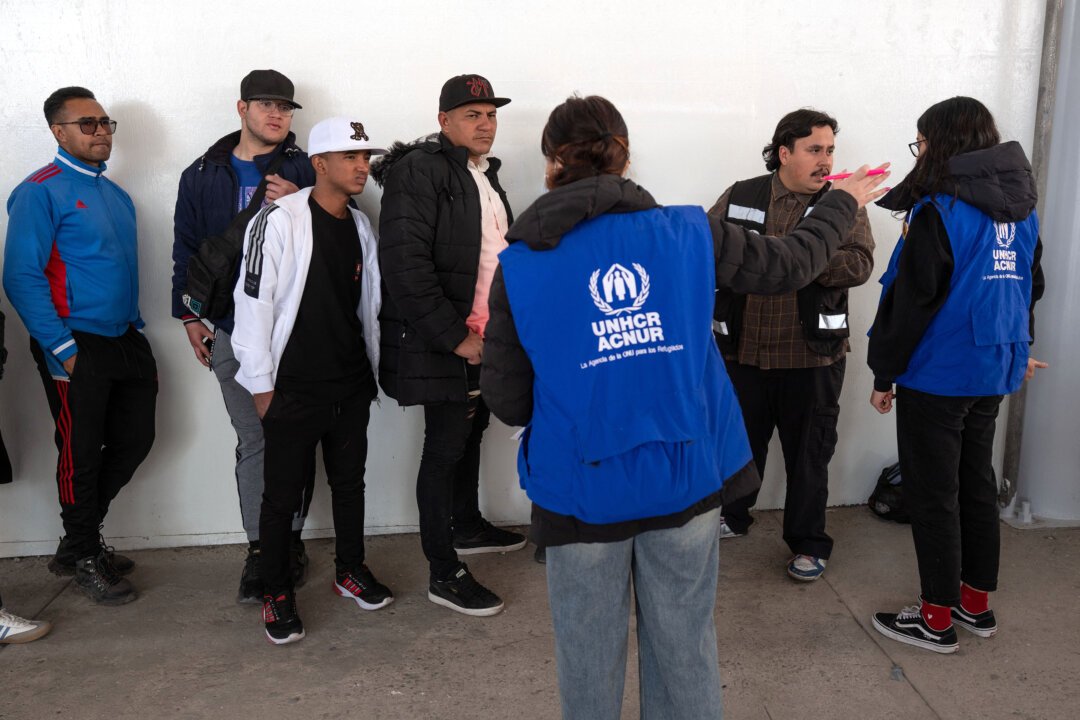
President Donald Trump announced on November 30 that the suspension of asylum decisions implemented after a shooting incident involving two National Guard members in Washington will remain in effect for an extended period, signaling a major shift in U.S. immigration policy.

Speaking to reporters, Trump made his position clear with characteristic directness: “We don’t want those people. We have enough problems.” The president indicated that the freeze, initially implemented as a security measure, would likely continue indefinitely as his administration pursues stricter immigration controls.
The asylum decision moratorium was officially announced by U.S. Citizenship and Immigration Services Director Joseph B. Edlow, who stated that the agency has suspended all asylum determinations pending enhanced security protocols. Edlow emphasized that the pause will continue “until it can ensure that every alien is vetted and screened to the maximum degree possible.”
This development represents a significant escalation in the Trump administration’s immigration enforcement strategy, effectively halting one of the primary legal pathways for individuals seeking protection in the United States. The decision affects thousands of asylum seekers who are currently awaiting adjudication of their cases.
The shooting incident that triggered this policy response involved two National Guard members in Washington, though specific details about the connection between the incident and asylum seekers have not been fully disclosed by administration officials. The president has used this incident to justify broader security measures affecting the entire asylum system.
Immigration advocates and legal experts are closely monitoring the situation, as the indefinite suspension of asylum decisions could potentially affect tens of thousands of pending cases. The move aligns with Trump’s broader immigration agenda, which includes plans to pause immigration from certain countries and implement enhanced vetting procedures.
The announcement comes as the administration continues to roll out various immigration-related policy changes, including proposed modifications to legal immigration pathways and enhanced border security measures. Trump has consistently positioned immigration control as a cornerstone of his presidency, arguing that stricter policies are necessary for national security.
The practical implications of this indefinite freeze remain unclear, particularly regarding how it will affect asylum seekers already in the United States awaiting decisions on their cases. Legal challenges to the policy are expected as immigration attorneys and advocacy groups assess their options for protecting their clients’ rights under international and domestic law.