





































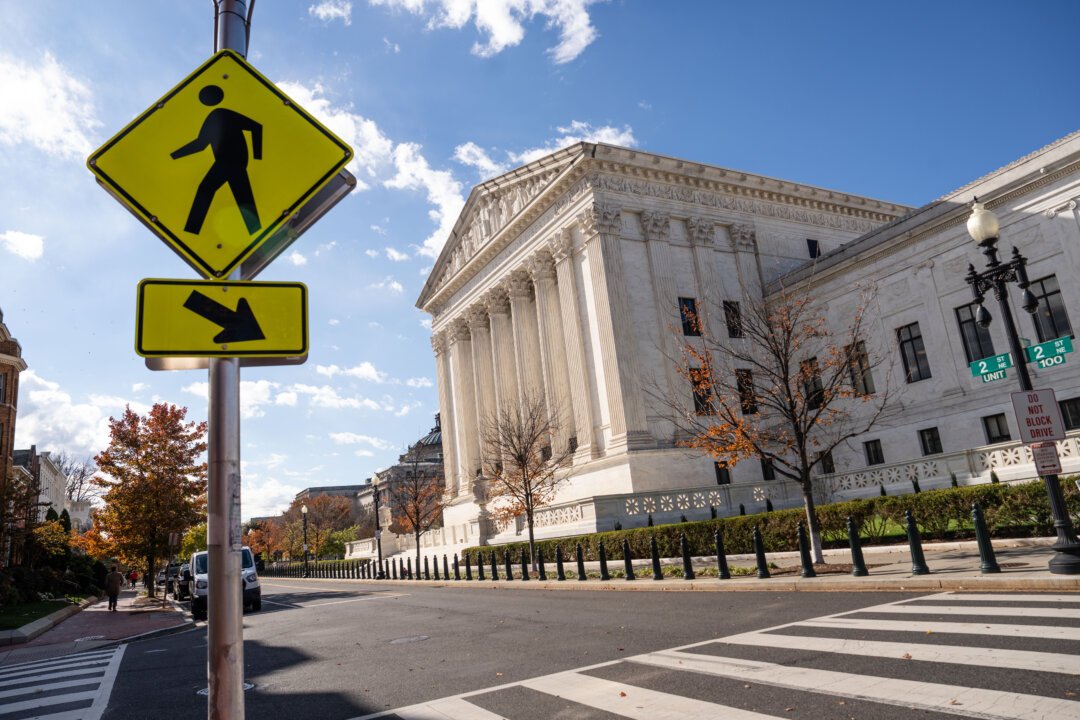
The nation’s highest court confronted a pivotal question on December 1st that could fundamentally alter how internet service providers handle copyright infringement: Should companies like Cox Communications face billion-dollar penalties when their customers illegally download music and movies?

At the heart of this landmark case lies a staggering $1 billion jury verdict that music industry giants secured against Cox Communications, one of America’s largest internet providers. The telecommunications company now finds itself before the Supreme Court, desperately seeking to overturn a lower court ruling that could force ISPs nationwide to become copyright enforcers.
The controversy centers on a practice familiar to millions of internet users: peer-to-peer file sharing through platforms like BitTorrent. These protocols allow users to download copyrighted music, movies, and software directly from other users’ computers, often without paying the content creators or distributors.
A federal appeals court previously delivered a crushing blow to Cox Communications, ruling that internet service providers can indeed be held legally responsible if they fail to disconnect customers who repeatedly engage in copyright infringement. This decision sent shockwaves through the telecommunications industry, as it effectively transforms ISPs from passive conduits of information into active gatekeepers of digital content.
The implications of this case extend far beyond Cox Communications’ corporate boardroom. If the Supreme Court upholds the appeals court decision, internet providers across the country may be compelled to implement aggressive monitoring systems and swiftly terminate service to customers accused of piracy. Such measures could dramatically change the relationship between ISPs and their subscribers.
For the music industry, the case represents a crucial weapon in their ongoing battle against digital piracy, which has cost record labels and artists billions in lost revenue over the past two decades. The $1 billion verdict against Cox sends a clear message that they’re willing to pursue internet providers with the same vigor they once reserved for individual file-sharers.
However, Cox Communications and digital rights advocates argue that forcing ISPs to police copyright infringement could lead to false accusations, wrongful service terminations, and a chilling effect on internet freedom. They contend that internet providers should not bear responsibility for their customers’ illegal activities, particularly when those activities occur without the provider’s knowledge or direct involvement.
The Supreme Court’s eventual decision in this case will likely establish precedent for how internet service providers must balance their role as neutral conduits of information against mounting pressure to actively combat online piracy. With billions of dollars and the future of internet governance hanging in the balance, both sides are watching closely as the justices deliberate on one of the most significant copyright cases in the digital age.