




































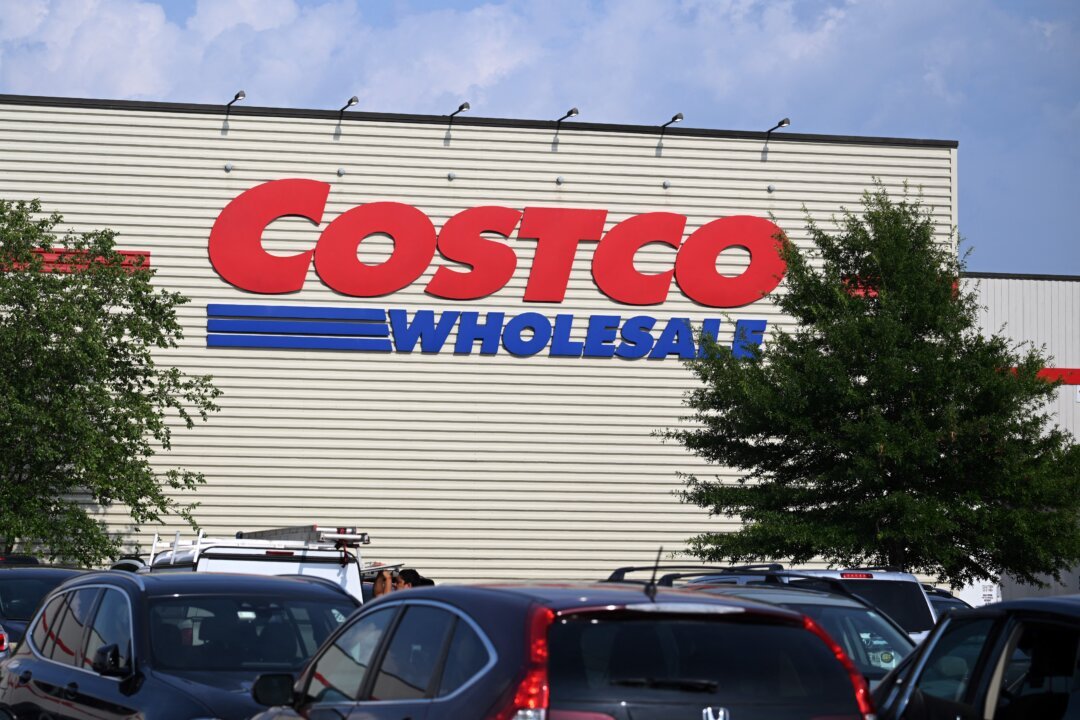
In a bold preemptive legal maneuver, retail powerhouse Costco Wholesale Corporation has launched a federal lawsuit against the U.S. government, positioning itself to potentially recover millions in tariff payments should upcoming Supreme Court deliberations rule against the legality of certain trade duties.

The warehouse giant filed its complaint on November 28 in the U.S. Court of International Trade in Manhattan, challenging tariffs that have been collected since former President Donald Trump invoked emergency powers to impose sweeping trade levies on imports from Mexico, Canada, and China.
At the heart of Costco’s legal strategy lies a calculated gamble on future Supreme Court rulings. The company’s lawsuit specifically targets tariffs imposed under the International Emergency Economic Powers Act (IEEPA), arguing that Trump’s February invocation of these emergency powers was an illegal overreach of presidential authority.
The timing of this legal action reflects sophisticated corporate planning, as Costco seeks to establish its legal standing before any potential Supreme Court decision that might declare the tariffs unlawful. If successful, the retailer could secure complete refunds of duties already paid—a sum that could reach substantial figures given Costco’s massive import operations.
Trump’s original justification for the emergency tariffs centered on national security concerns, particularly the flow of fentanyl into the United States from the targeted countries. The former president maintained that these global levies served as essential negotiating tools to secure more favorable trade agreements and create a level playing field between the United States and its major trading partners.
The case highlights the ongoing tension between executive trade powers and congressional authority over commerce, with billions of dollars in collected tariffs hanging in the balance. Costco’s proactive approach demonstrates how major corporations are adapting their legal strategies to navigate an increasingly complex trade policy landscape.
For Costco, which operates on notably thin profit margins and relies heavily on imported goods to stock its warehouses, tariff costs represent a significant operational expense. The company’s decision to challenge these payments in court underscores the substantial financial impact trade policies have had on major retailers and, ultimately, American consumers.
The lawsuit also reflects broader business community concerns about the scope of presidential emergency powers in trade policy. By filing before any Supreme Court ruling, Costco has positioned itself to potentially benefit from any judicial determination that might limit executive authority in this arena.
As the case proceeds through the federal court system, it will likely influence how other major retailers and importers approach similar challenges to trade policies implemented under emergency powers. The outcome could establish important precedents for both corporate legal strategies and the limits of presidential trade authority.