





































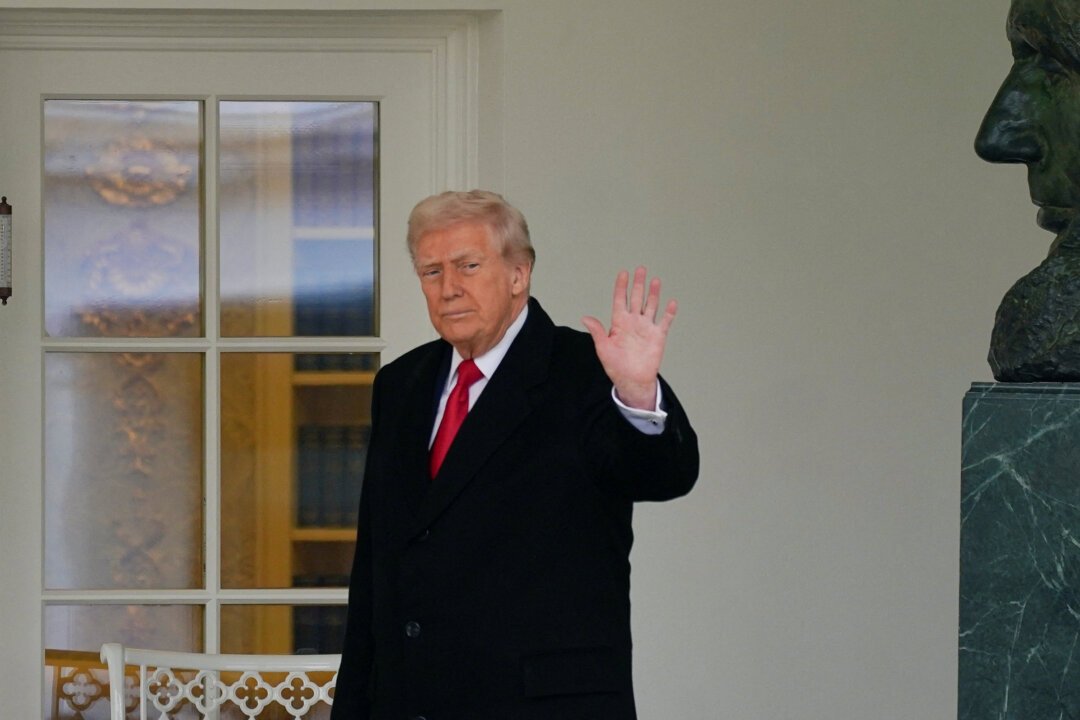
President Donald Trump officially assumed the rotating leadership of the Group of 20 nations on December 1, marking a pivotal moment as the United States takes control of the world’s premier economic forum for the next twelve months. The transition comes amid diplomatic tension, as Trump has threatened to disinvite South Africa from future gatherings over alleged human rights violations.

The handover from South Africa signals a dramatic shift in priorities for the influential coalition of the world’s largest economies. According to the U.S. State Department, the Trump administration plans to steer the G20 back to what it considers the organization’s fundamental purpose: driving economic growth and prosperity on a global scale.
This return to economic fundamentals represents a notable departure from recent G20 agendas, which have increasingly incorporated climate change initiatives, social justice issues, and broader geopolitical concerns. Trump’s approach suggests a more streamlined focus on trade, financial stability, and traditional economic cooperation among member nations.
The president’s controversial stance toward South Africa has already created ripples within diplomatic circles. Last week, Trump publicly stated his intention to exclude the African nation from G20 proceedings, citing what he described as the country’s human rights abuses. This unprecedented move could set a new precedent for how the organization handles internal disputes and membership criteria.
As the United States begins its G20 presidency, global economic leaders will be watching closely to see how Trump’s vision translates into concrete policy initiatives. The timing is particularly significant, as the world economy continues to navigate post-pandemic recovery challenges, supply chain disruptions, and ongoing geopolitical tensions.
The G20, which represents approximately 85% of global GDP and two-thirds of the world’s population, has historically served as a crucial platform for coordinating international economic policy. Under U.S. leadership, the focus is expected to shift toward bilateral trade relationships, deregulation initiatives, and policies designed to boost American economic competitiveness.
The success of Trump’s G20 agenda will likely depend on his ability to build consensus among diverse member nations, including China, Russia, and European Union countries, many of which may have different priorities and approaches to global economic governance.