







































America’s manufacturing sector is experiencing a remarkable resurgence, dramatically outpacing its global competitors and leaving traditional industrial powerhouses like Germany, France, and the United Kingdom in the dust. The secret to this success story isn’t complex economic theory or revolutionary technology—it’s what the United States chose not to do.

While European nations zealously pursued aggressive net-zero emissions policies that effectively handed control of industrial strategy to environmental activists, America took a more measured approach that prioritized economic competitiveness alongside environmental responsibility. The results speak volumes about the real-world consequences of ideologically-driven policy making.
The stark contrast in manufacturing performance across the G7 nations reveals a troubling pattern. Countries that embraced the most radical interpretations of climate policy have watched their industrial bases crumble, jobs disappear, and economic competitiveness erode. Meanwhile, the United States maintained a pragmatic balance that has allowed its manufacturing sector to not just survive, but thrive in an increasingly challenging global marketplace.
Germany, once the undisputed manufacturing champion of Europe, has seen its industrial output stagnate as energy costs soared and regulatory burdens multiplied. The country’s automotive sector, a cornerstone of its economy for decades, struggles under the weight of mandates that prioritize ideological purity over practical implementation and worker welfare.
France and the United Kingdom tell similar stories of industrial decline masked by environmental virtue signaling. Both nations have watched manufacturing jobs migrate to countries with more business-friendly policies, while their domestic producers face an increasingly complex web of regulations that favor compliance over innovation and growth.
The American approach offers valuable lessons for policymakers worldwide. Rather than allowing activist groups to dictate industrial policy, the United States maintained decision-making processes that considered economic impact, job creation, and global competitiveness alongside environmental concerns. This balanced approach has created an environment where manufacturers can invest, innovate, and expand with confidence.
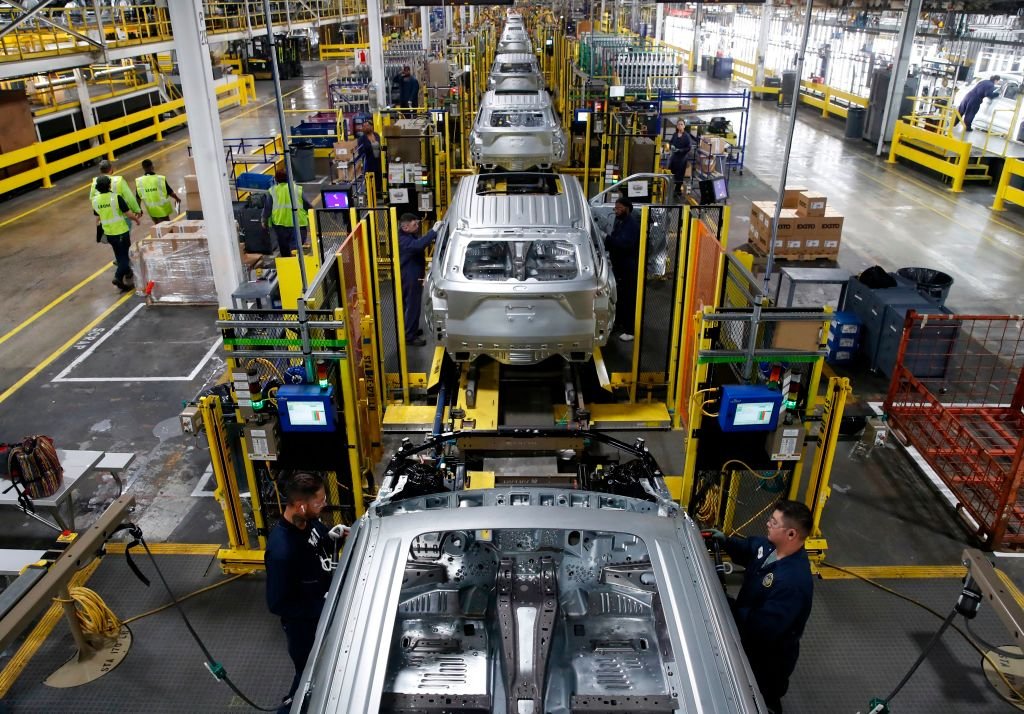
Workers assembling vehicles at facilities like Ford’s renovated Chicago Assembly Plant represent more than just employment statistics—they embody the success of policies that recognize manufacturing as essential to national economic health. These jobs provide middle-class incomes, support entire communities, and maintain America’s position as a global industrial leader.
The data reveals an uncomfortable truth for advocates of radical climate policies: well-intentioned environmental goals can have devastating economic consequences when implemented without careful consideration of practical realities. The European experience demonstrates how quickly decades of industrial development can be undermined by policies that prioritize symbolic gestures over substantive results.
America’s manufacturing renaissance also highlights the importance of energy policy in industrial competitiveness. While European nations imposed costly restrictions on domestic energy production, the United States embraced an all-of-the-above energy strategy that kept costs manageable for manufacturers. This pragmatic approach to energy policy has become a crucial competitive advantage in attracting and retaining industrial investment.
The implications extend far beyond economic statistics. Manufacturing strength translates directly into national security capabilities, supply chain resilience, and technological innovation. Countries that sacrifice their industrial bases for ideological satisfaction may find themselves increasingly dependent on foreign producers for essential goods and services.
As global economic competition intensifies, the American model offers a blueprint for maintaining industrial strength while pursuing environmental improvements. The key lies in rejecting the false choice between economic prosperity and environmental responsibility, instead embracing policies that advance both objectives through practical, market-driven solutions.
The success of America’s manufacturing sector serves as a powerful reminder that effective policy requires balancing competing priorities rather than surrendering decision-making authority to single-issue advocacy groups. As other nations grapple with the consequences of ideologically-driven industrial policies, the United States demonstrates that pragmatic leadership can deliver superior outcomes for workers, businesses, and the broader economy.