





































The Democratic Republic of Congo has officially declared the end of its latest Ebola outbreak, marking a significant victory in the country’s ongoing battle against the deadly virus. The outbreak, which terrorized communities in the southern Kasai province for months, ultimately claimed 43 lives among 53 confirmed cases.

Health Minister Roger Kamba announced the milestone on Monday, confirming that no new cases have been reported in the critical 45-day monitoring period required by international health standards. The outbreak was first identified in September in the town of Bulape, sending health officials scrambling to implement containment measures.
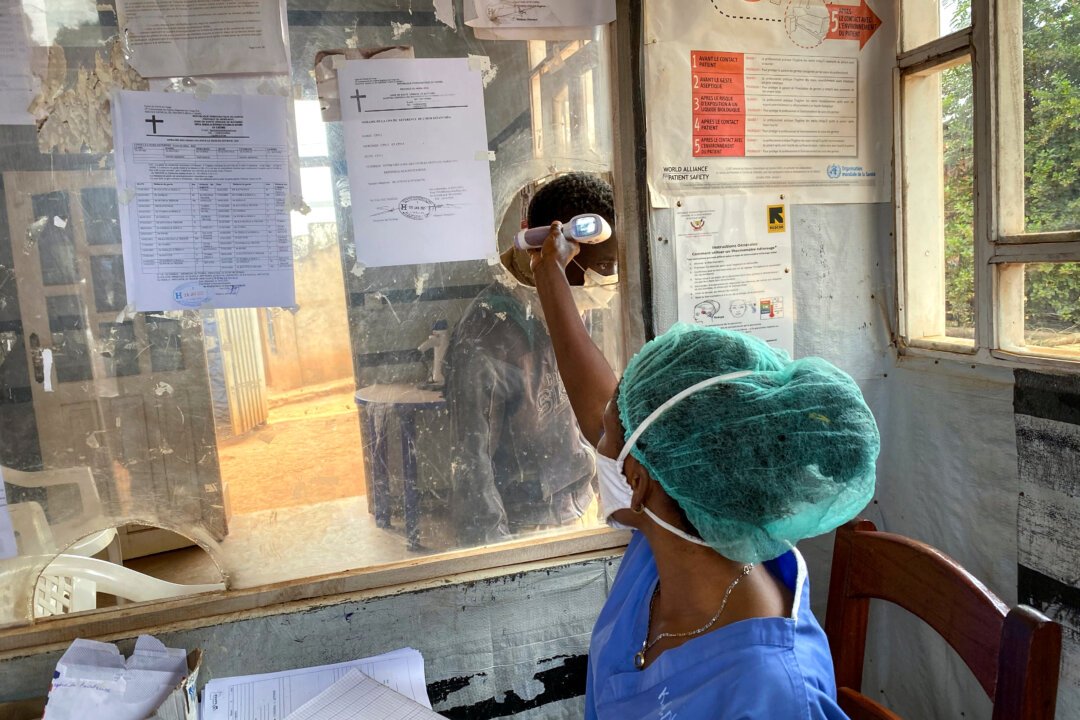
The successful containment effort represents a remarkable mobilization of resources and expertise. More than 27,000 people received protective vaccinations, including approximately 4,000 front-line healthcare workers who courageously battled the outbreak on the ground. Minister Kamba specifically praised these front-line workers, crediting their dedication and professionalism as instrumental in stopping the virus’s spread.
This latest outbreak adds to Congo’s extensive experience dealing with Ebola, a hemorrhagic fever that can kill up to 90% of those infected. The country has faced multiple Ebola outbreaks over the past decade, with the most devastating occurring between 2018 and 2020 in the eastern provinces, which killed over 2,200 people and became the second-largest Ebola outbreak in recorded history.
The rapid response to the Kasai province outbreak demonstrates significant improvements in Congo’s public health infrastructure and emergency response capabilities. The swift deployment of vaccines and medical personnel, combined with community education efforts, proved crucial in preventing the outbreak from reaching the catastrophic proportions seen in previous years.
Health experts worldwide have closely monitored the situation, as Ebola outbreaks can quickly spiral out of control without proper intervention. The virus spreads through direct contact with bodily fluids of infected individuals, making healthcare workers particularly vulnerable during treatment efforts.
The declaration marks the end of approximately three months of intensive public health measures in the affected region. Local communities endured significant disruptions as health officials implemented contact tracing, quarantine protocols, and vaccination campaigns to prevent further transmission.
While celebrating this victory, health officials remain vigilant about potential future outbreaks. Congo’s vast territory, limited infrastructure, and ongoing security challenges in some regions continue to pose risks for disease surveillance and response efforts.
The successful containment of this outbreak provides valuable lessons for future emergency responses and demonstrates the effectiveness of coordinated international health interventions when implemented quickly and comprehensively.