





































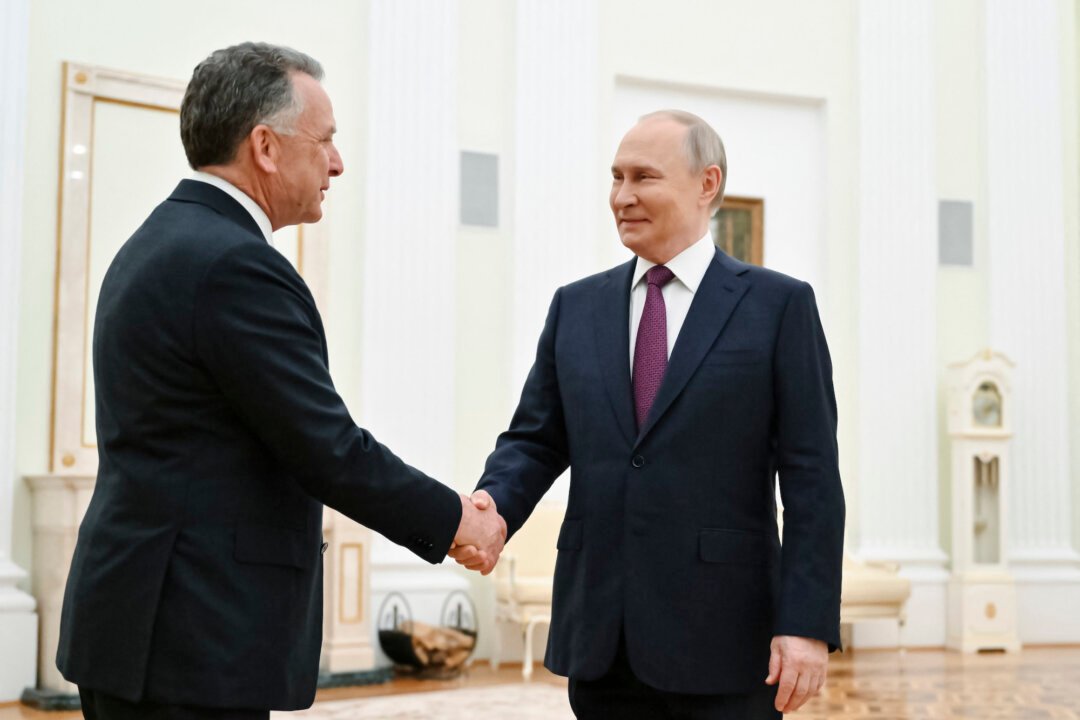
In a potentially pivotal moment for ending the devastating Russia-Ukraine conflict, U.S. Special Envoy Steve Witkoff and Jared Kushner, President Donald Trump’s son-in-law, are scheduled to meet with Russian President Vladimir Putin in Moscow, according to official Kremlin confirmation on December 2.

The high-stakes diplomatic encounter represents the most significant direct engagement between Trump administration representatives and the Russian leader since the war began, raising hopes for meaningful progress toward a negotiated settlement.
“The Russian–American meeting will begin after 5 PM Moscow time. Putin will meet with Mr. Witkoff, the chief American negotiator on Ukrainian affairs, who will be arriving in the Kremlin. Kushner will also be with him. A conversation will take place,” announced Putin’s press secretary Dmitry Peskov, as reported by the Russian state-run news agency TASS.
The timing of this diplomatic initiative appears strategically calculated, coming as both sides face mounting pressure to find an exit strategy from a conflict that has claimed hundreds of thousands of lives and devastated entire regions of Ukraine. Witkoff’s role as Trump’s special envoy on Ukraine matters positions him as a key figure in any potential peace framework.
Adding weight to the diplomatic momentum, Ukrainian President Volodymyr Zelenskyy recently expressed cautious optimism about ongoing peace negotiations. The Ukrainian leader indicated that the peace plan “looks better” following his team’s most recent discussions with American officials, suggesting that behind-the-scenes diplomatic efforts may be gaining traction.
Kushner’s inclusion in the Moscow talks brings significant political symbolism to the meeting. As Trump’s son-in-law and a trusted advisor who played prominent roles in Middle East diplomacy during the previous Trump administration, his presence signals the personal investment of the Trump family in achieving a breakthrough on the Ukraine crisis.
The meeting comes at a critical juncture in the nearly three-year-old conflict, with winter weather traditionally slowing military operations and creating natural pressure points for diplomatic engagement. Both Moscow and Kyiv have faced enormous human and economic costs, while international stakeholders increasingly seek pathways to de-escalation.
For Putin, agreeing to meet with Trump’s representatives could signal a willingness to explore serious negotiations, particularly given Trump’s campaign promises to quickly resolve the Ukraine conflict. The Russian leader’s decision to engage directly with Witkoff and Kushner suggests Moscow may view this as a genuine opportunity for diplomatic progress.
The international community will be watching closely for any concrete outcomes from these discussions, as previous diplomatic efforts have struggled to bridge the fundamental gaps between Russian and Ukrainian positions on territorial sovereignty, security guarantees, and post-conflict arrangements.
Success in these talks could pave the way for broader multilateral negotiations involving European allies and potentially lead to the kind of comprehensive peace agreement that has remained elusive throughout the conflict’s duration.