





































When facing a cancer diagnosis, patients often find themselves navigating a maze of medical treatments, emotional challenges, and lifestyle adjustments. Among these concerns, nutrition frequently becomes a source of anxiety rather than comfort. However, health experts and nutritionists are working to transform this narrative, emphasizing that food can serve as both medicine and a source of joy during one of life’s most difficult journeys.

At the Ohio State University Comprehensive Cancer Center—Arthur G. James Cancer Hospital and Richard J. Solove Research Institute, a unique collaboration is taking root. The partnership between registered dietitian Dena Champion and the center’s Garden of Hope demonstrates how fresh, nutritious food can be both therapeutic and delightful for cancer patients.
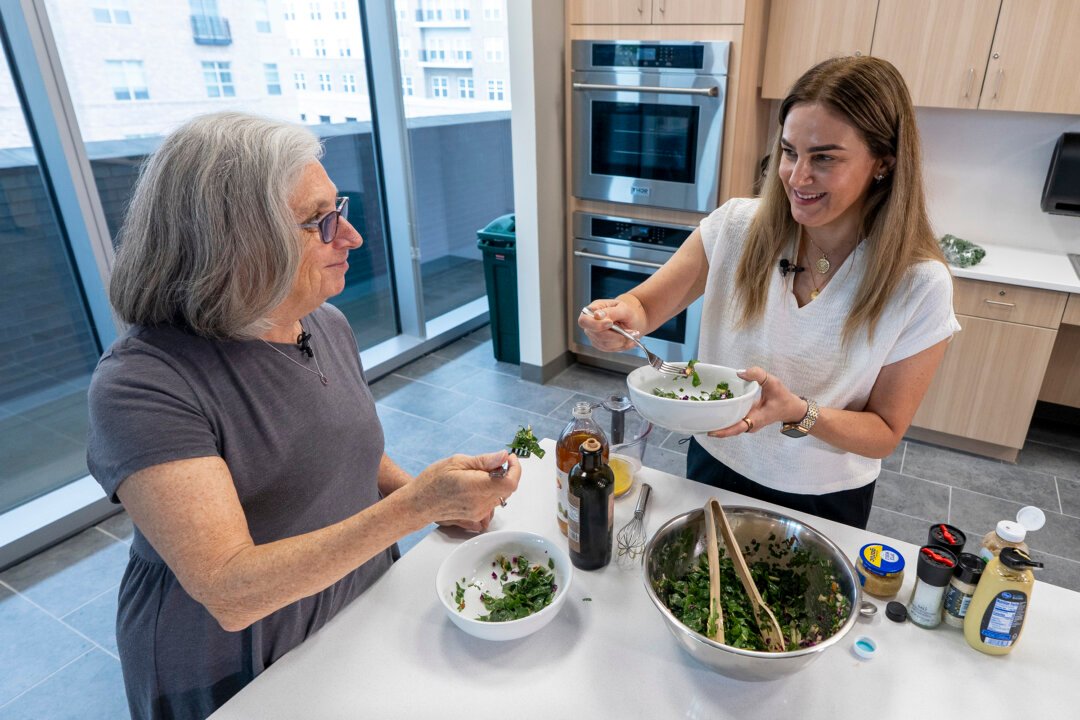
During a recent cooking demonstration, Molly Miely, a program participant, sampled a new recipe prepared by Champion using produce harvested directly from the Garden of Hope. The scene illustrates a growing movement in cancer care that recognizes nutrition as more than just medical necessity—it’s an opportunity to restore agency, pleasure, and hope to patients’ lives.
“Most Americans, including cancer survivors, are definitely not eating enough fruits and vegetables,” experts note, highlighting a critical gap in nutritional wellness that extends beyond the cancer community but becomes particularly crucial for those battling the disease.
The traditional approach to cancer nutrition has often been restrictive and fear-based, with long lists of foods to avoid and rigid dietary protocols. This new philosophy takes a different approach, focusing on what patients can enjoy rather than what they must eliminate. The goal is to dispel the fear and confusion that often surrounds food choices during cancer treatment, a time when patients are already dealing with overwhelming emotions and decisions.
Gardens like the one at Ohio State serve multiple purposes in this holistic approach to cancer care. They provide fresh, organic produce that patients and their families can trust, while also offering therapeutic benefits through gardening activities. The act of nurturing plants from seed to harvest can provide psychological benefits, giving patients a sense of control and accomplishment during a period when they may feel powerless.
Nutrition experts emphasize that a healthful approach to food represents just one important component of a cancer patient’s comprehensive care plan. However, it’s a component that can significantly impact both physical recovery and emotional well-being. When patients feel confident about their food choices and can find pleasure in eating, it contributes to overall quality of life during treatment and beyond.
The integration of fresh, garden-grown produce into cancer nutrition programs also addresses practical concerns many patients face. Treatment side effects can alter taste preferences and appetite, making it challenging to maintain adequate nutrition. Fresh, flavorful ingredients prepared in appealing ways can help overcome some of these obstacles while ensuring patients receive essential nutrients needed for healing.
This evolving approach to cancer nutrition reflects a broader shift in healthcare toward treating the whole person rather than just the disease. By acknowledging that food serves emotional, social, and cultural functions beyond mere sustenance, healthcare providers can better support patients through their cancer journey.
As programs like the one at Ohio State continue to develop, they serve as models for other cancer centers seeking to integrate comprehensive nutrition support into their patient care. The message is clear: during one of life’s most challenging experiences, patients deserve both healing and joy—and sometimes, both can be found on the same plate.