


































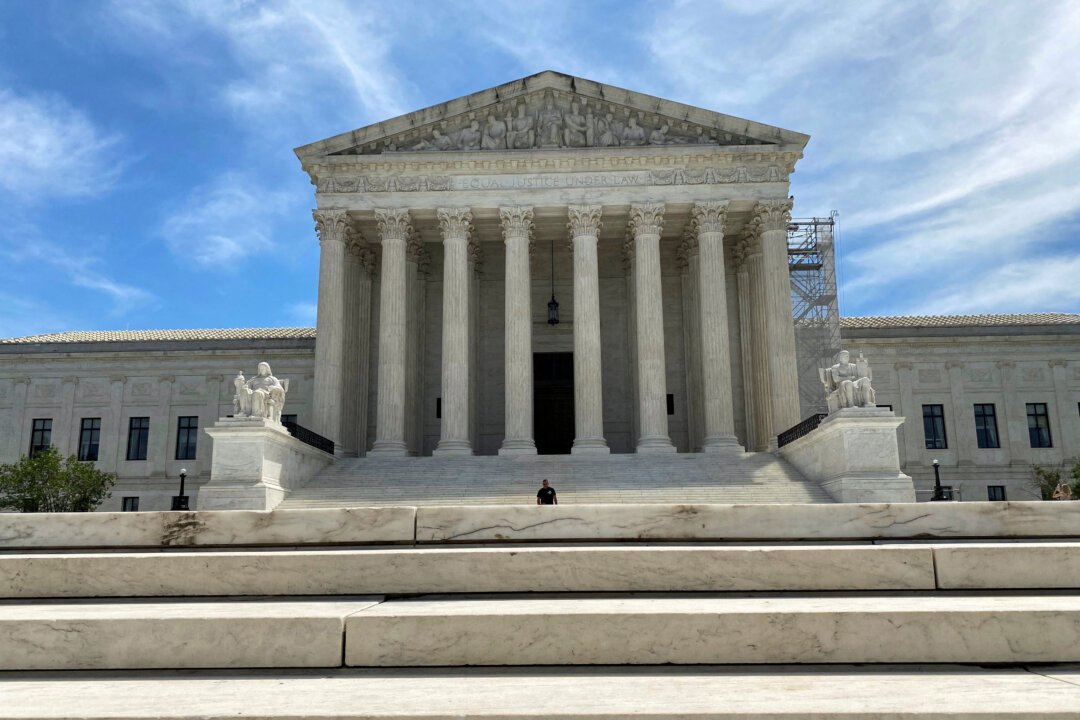
The United States Supreme Court will examine a complex legal question on December 3 that could reshape how convicted individuals challenge the very laws under which they were prosecuted. The case centers on Gabriel Olivier, a Christian street evangelist who seeks to pursue a civil lawsuit against Brandon, Mississippi, despite already facing criminal conviction for violating the city’s ordinances.

The high court’s review will focus on a procedural legal question rather than the underlying First Amendment concerns, specifically whether Olivier’s previous criminal conviction bars him from filing a civil rights lawsuit challenging the constitutionality of the city law that led to his arrest.
Olivier’s legal troubles began in 2021 when he was arrested during a demonstration outside a city amphitheater. Court documents filed by Brandon, Mississippi officials describe an incident where Olivier and several associates used megaphones to heckle concert attendees, allegedly shouting derogatory terms including “whores,” “sissies,” and “Jezebels” at passersby.
The case represents a significant intersection of criminal law and civil rights litigation, raising questions about when individuals who have been convicted under local ordinances can subsequently challenge those same laws in federal court. Legal experts note that the Supreme Court’s decision could establish important precedent for how similar cases are handled nationwide.
While the justices are not expected to directly address the First Amendment implications of Olivier’s street preaching activities, their ruling could determine whether individuals in similar situations retain the right to seek civil remedies and constitutional challenges after facing criminal prosecution.
The timing of this case comes amid broader national discussions about the balance between free speech rights and local governments’ authority to regulate public demonstrations and maintain order in community spaces. Cities across the country closely monitor such Supreme Court decisions as they develop policies governing public assemblies and street demonstrations.
Brandon city officials have maintained that their actions were necessary to protect public safety and prevent harassment of citizens attending community events. The city’s legal team argues that allowing post-conviction civil lawsuits in such circumstances could undermine the finality of criminal proceedings and burden local governments with redundant litigation.
Olivier’s case has drawn attention from religious liberty advocates and civil rights organizations who view it as a test case for protecting the rights of street preachers and other demonstrators who engage in provocative but potentially constitutionally protected speech.
The Supreme Court’s decision, expected in the coming months, will likely provide crucial guidance to lower courts grappling with similar cases involving the intersection of criminal convictions and subsequent civil rights challenges. The ruling could either expand or restrict the ability of individuals to pursue federal civil rights claims after being convicted under local laws they believe to be unconstitutional.