




































In a dramatic turn of events that has captured international attention, Salvador Nasralla of Honduras’s center-right Liberal Party has emerged with a narrow but significant lead in the country’s highly contested presidential election, dealing a potential setback to U.S. foreign policy interests in Central America.

The latest vote tallies show Nasralla pulling ahead of Nasry “Tito” Asfura, the candidate who has enjoyed the explicit backing of U.S. President Donald Trump throughout the campaign. With the margin sitting at approximately 8,000 votes, Asfura has slipped into second place in what political observers are calling one of the most consequential elections in recent Honduran history.
The razor-thin margin underscores the deep political divisions within Honduras, a nation of nearly 10 million people that has struggled with economic challenges, corruption scandals, and migration pressures in recent years. The outcome remains uncertain as election officials continue processing ballots from across the country’s 18 departments.
Nasralla’s unexpected surge represents a significant shift in Central American politics, particularly given the Trump administration’s active involvement in supporting Asfura’s candidacy. The development highlights the complex dynamics at play in a region where U.S. influence has traditionally been substantial but is increasingly being challenged by changing voter preferences and local political movements.
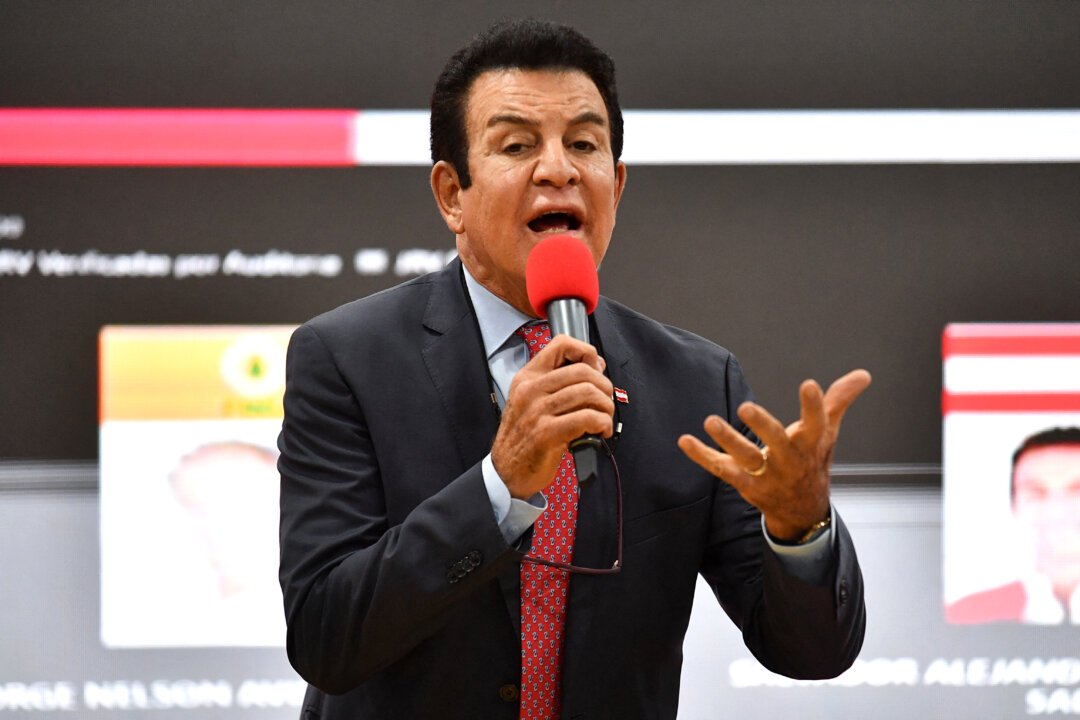
Speaking at a press conference in the capital city of Tegucigalpa on December 2, 2025, Nasralla addressed supporters and media, though election officials have yet to declare a winner given the narrow margin between the leading candidates.
The election results carry implications that extend far beyond Honduras’s borders. As a key country in Central America’s Northern Triangle, Honduras plays a crucial role in regional migration patterns, anti-narcotics efforts, and broader U.S. strategic interests in Latin America. The outcome could potentially reshape diplomatic relationships and policy priorities across the region.
Political analysts note that the close contest reflects broader trends in Latin American politics, where traditional party loyalties are being challenged and voters are increasingly willing to support candidates who promise significant changes to the status quo.
As vote counting continues, both campaigns have called for patience and transparency in the electoral process. International observers, including representatives from the Organization of American States, are monitoring the situation closely to ensure the integrity of the democratic process.
The final results, when officially announced, will determine not only Honduras’s domestic trajectory but also the future of U.S.-Honduras relations and America’s broader influence in Central America during this critical period of regional political transformation.