







































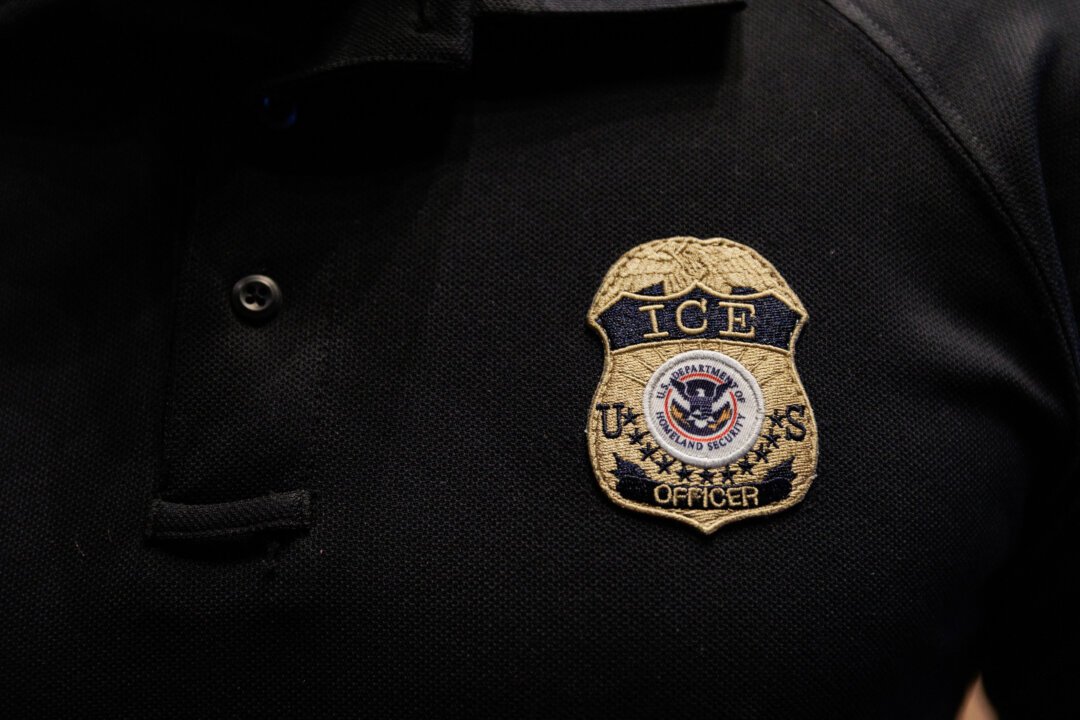
Immigration and Customs Enforcement (ICE) is preparing to intensify enforcement operations in Minnesota’s Twin Cities metropolitan area, according to border czar Tom Homan, who outlined the agency’s strategic focus during a December 2 Fox News interview.

The announcement comes amid mounting concerns over criminal activity in the Minneapolis-Saint Paul region, where multiple fraud schemes have been discovered targeting welfare programs. These elaborate operations have reportedly siphoned billions of dollars in taxpayer funds, prompting federal authorities to take decisive action.
Homan’s revelation follows a significant policy shift announced by President Donald Trump on November 21, when he immediately rescinded temporary protected status for Somali immigrants residing in Minnesota. This decision marks a substantial change in federal immigration policy affecting thousands of individuals who had previously been granted protection from deportation.
The Twin Cities region has become a focal point for federal immigration enforcement as authorities work to address what officials describe as systematic exploitation of government assistance programs. The scale of the alleged fraud operations has drawn national attention, with investigators uncovering complex networks designed to illegally obtain welfare benefits.
Minnesota’s large Somali immigrant community, primarily concentrated in the Minneapolis area, now faces heightened scrutiny as ICE prepares to expand its presence in the region. The community has been established in Minnesota for decades, with many refugees initially resettled there through federal programs.
The escalation of ICE activities in the Twin Cities represents part of a broader national strategy to target areas where federal authorities have identified significant criminal activity related to immigration violations and benefit fraud. This approach reflects the current administration’s emphasis on enforcement in communities where multiple federal crimes have allegedly occurred.
Local community organizations and advocacy groups are bracing for the impact of increased immigration enforcement operations, while federal officials maintain that their focus remains on individuals involved in criminal activities rather than broader community-wide sweeps.
The timing of these developments coincides with ongoing federal investigations into welfare fraud schemes that have reportedly cost taxpayers substantial sums. These cases have involved complex networks of individuals allegedly working together to exploit various government assistance programs through fraudulent applications and documentation.
As ICE prepares to implement its expanded operations, the Twin Cities region faces a period of uncertainty for many immigrant families, while federal authorities emphasize their commitment to pursuing those involved in criminal enterprises that have exploited public resources.