




































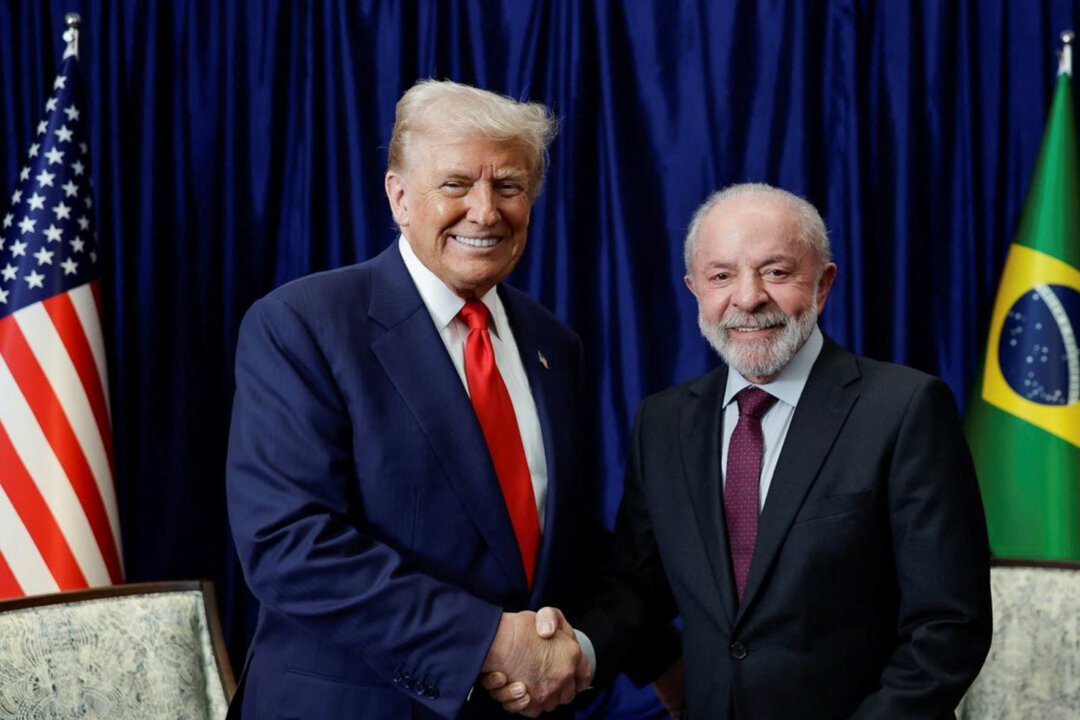
President Donald Trump revealed he engaged in productive discussions with Brazilian President Luiz Inácio Lula da Silva during a December 2 phone call that covered critical issues including trade relations, international sanctions, and joint efforts to combat organized crime.

Speaking to reporters at the White House, Trump characterized the conversation as “a great talk,” signaling a potentially warmer diplomatic relationship between the two largest economies in the Americas.
The phone call represents a significant diplomatic development, marking the latest engagement between Washington and Brasília following months of strained relations between the two nations. The positive tone emerging from both sides suggests a possible reset in US-Brazil diplomatic ties.
While specific details of the conversation remain limited, the range of topics discussed underscores the complex nature of US-Brazil relations. Trade issues have long been a cornerstone of bilateral discussions, with Brazil serving as one of America’s key economic partners in Latin America.
The inclusion of sanctions in their discussion agenda is particularly noteworthy, given Brazil’s traditionally independent foreign policy stance and its relationships with nations that often find themselves at odds with US interests. Brazil has historically maintained diplomatic and economic ties with countries facing American sanctions, creating occasional friction between the two allies.
The focus on combating organized crime reflects shared challenges both nations face with transnational criminal networks, drug trafficking, and other security threats that transcend borders. Brazil has been grappling with powerful criminal organizations, while the United States continues its efforts to address drug trafficking and related criminal activities flowing from South America.
This diplomatic outreach comes as both leaders navigate complex domestic and international pressures. For Trump, engagement with major Latin American partners remains crucial for broader regional stability and economic interests. Meanwhile, Lula’s administration has sought to balance Brazil’s relationships with major global powers while pursuing its own strategic objectives.
The timing of this call may also reflect broader geopolitical considerations, as both nations monitor China’s growing influence in Latin America and work to address various regional challenges from migration to economic cooperation.
Previous tensions between the US and Brazil have centered on various issues including environmental policies, trade disputes, and differing approaches to international relations. The apparently cordial nature of this latest exchange suggests both leaders may be seeking common ground on areas of mutual interest.