







































In his most explicit statement to date regarding tax policy, President Donald Trump suggested Tuesday that his administration’s tariff strategy could eventually generate sufficient revenue to completely eliminate federal income taxes for American citizens.

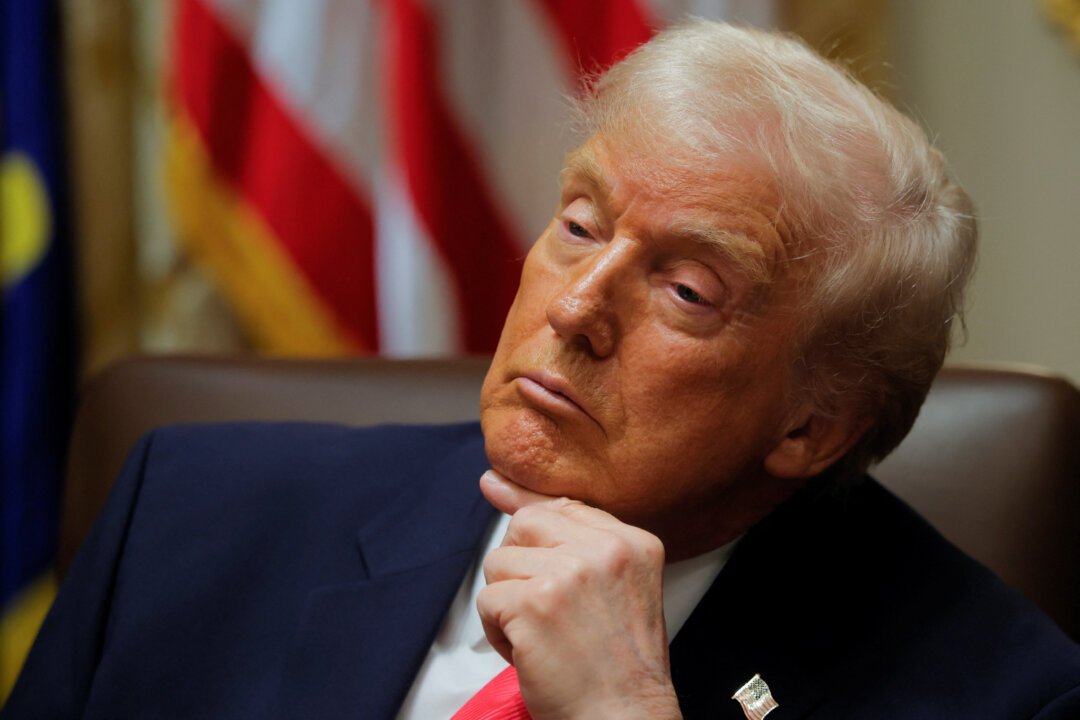
During a Cabinet meeting at the White House, Trump made the bold declaration to assembled reporters, stating that “at some point in the not too distant future you won’t even have income tax to pay” as a direct result of revenue streams created by his tariff policies.
The president’s comments represent his clearest endorsement yet of a dramatic restructuring of the federal tax system, moving away from the traditional income tax model that has funded government operations for over a century toward a system primarily dependent on import duties and trade-related revenues.
This announcement builds upon Trump’s ongoing advocacy for aggressive tariff implementation as both a trade negotiation tool and a potential foundation for comprehensive tax reform. The concept of replacing income taxes with tariffs harks back to earlier periods in American history when the federal government relied heavily on customs duties before the establishment of the modern income tax system.
The feasibility of such a transition would depend largely on the scale and scope of tariff implementation, as well as the revenue-generating capacity of international trade duties compared to current income tax collections. Federal income taxes represent the largest source of government revenue, making any potential elimination a significant shift in fiscal policy.
Trump’s tariff-focused approach has been a cornerstone of his economic policy platform, with the administration arguing that strategic import duties can simultaneously protect American industries, strengthen negotiating positions with trading partners, and provide substantial government funding.
The president’s Tuesday remarks signal a potential escalation in his tariff agenda, positioning trade policy not merely as a tool for international commerce regulation but as a fundamental reimagining of how the federal government finances its operations.
This development comes as the administration continues to evaluate various tariff mechanisms and their implementation across different sectors of the economy, with Trump consistently emphasizing the revenue potential of his trade policies throughout his current term.