


































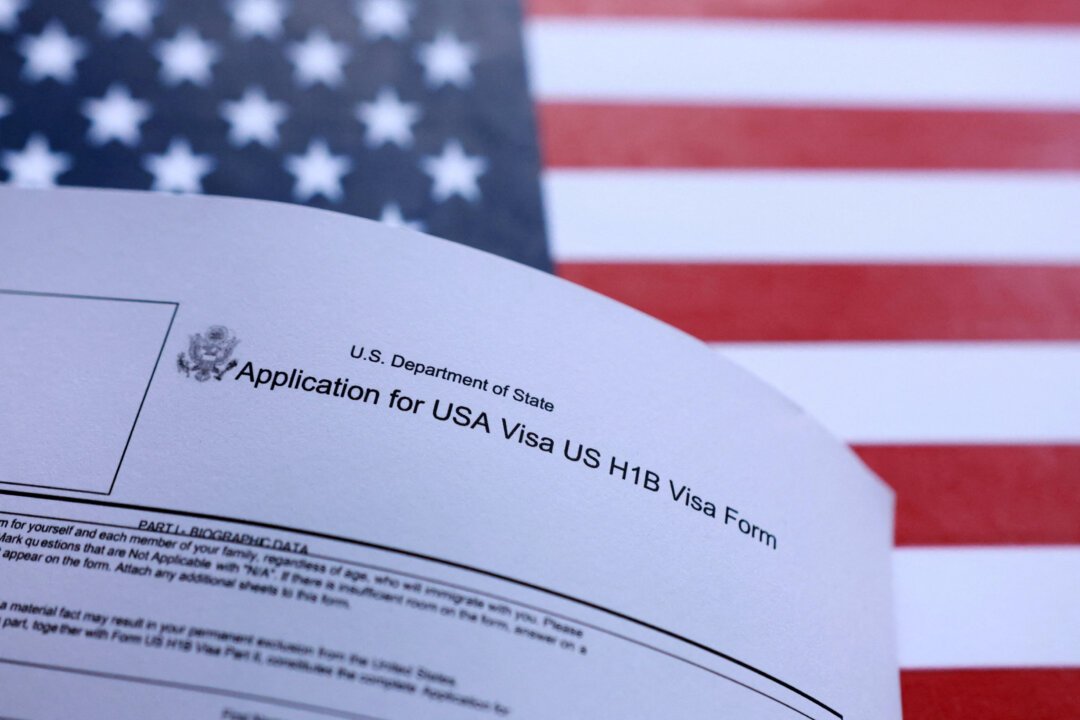
In a significant expansion of visa screening protocols, the U.S. State Department announced Tuesday that all H-1B visa applicants and their dependents will be subject to mandatory social media reviews beginning December 15, 2025.

The new requirement represents a major shift in immigration policy, extending online presence vetting beyond its current scope. Until now, only student visa and exchange visitor applicants faced mandatory social media screening as part of their application process.
Under the updated guidelines, H-1B visa seekers and their family members must make their social media profiles publicly accessible during the review period. This policy change affects one of the most sought-after work visa categories in the United States, which is primarily used by skilled foreign workers in technology, engineering, and other specialized fields.
The State Department’s decision comes amid ongoing debates about immigration policy and national security screening procedures. The expanded social media review process is designed to provide immigration officials with additional information about applicants’ backgrounds and activities before visa approval.
This development marks a continuation of enhanced vetting procedures that have gradually expanded across different visa categories over recent years. The policy reflects the government’s growing emphasis on digital footprint analysis as part of comprehensive background checks for foreign nationals seeking to enter the United States.
The timing of this announcement, with implementation just two weeks away, suggests applicants currently in the H-1B process may need to quickly adjust their social media privacy settings to comply with the new requirements. Immigration attorneys are likely advising clients to review their online presence carefully before the December 15 deadline.
The H-1B visa program has long been a critical pathway for international talent to work in American companies, particularly in the technology sector. This new screening requirement adds another layer to what is already considered a complex and competitive application process.
As the policy takes effect next month, immigration officials will gain unprecedented access to the digital lives of H-1B applicants, potentially affecting approval rates and processing times for one of America’s most important skilled worker visa programs.