







































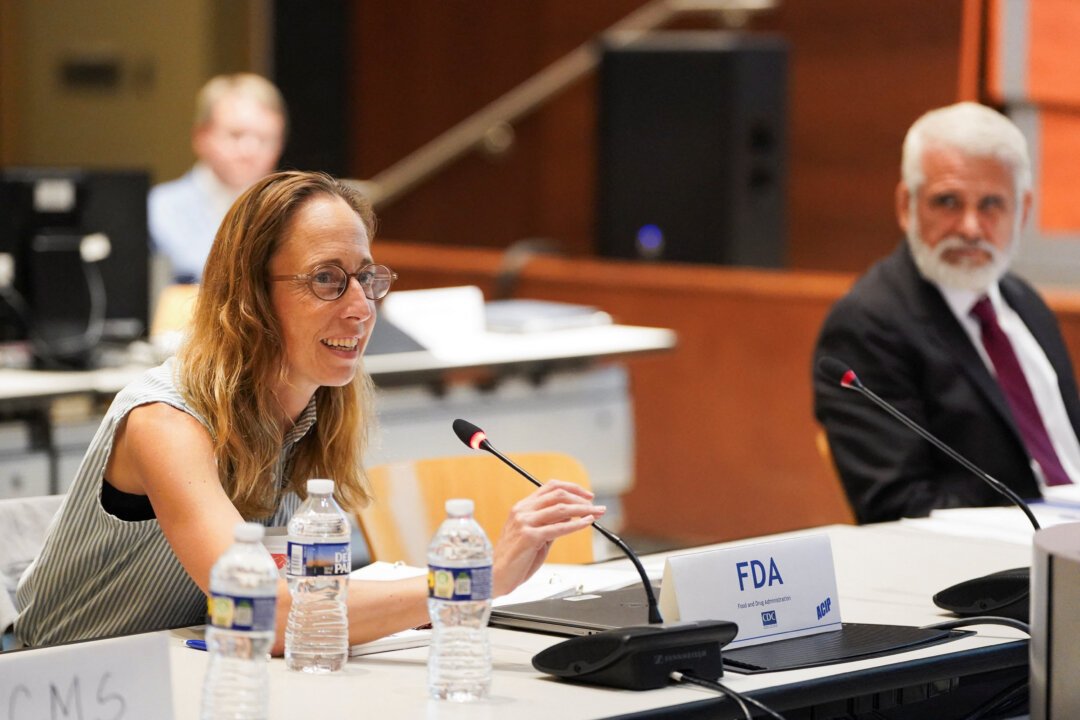
The Food and Drug Administration has elevated a physician known for her rigorous investigation into COVID-19 vaccine-related deaths to its most influential drug oversight position, marking a significant leadership change at the federal health agency.

Dr. Tracy Beth Hoeg has been appointed as the acting director of the FDA’s Center for Drug Evaluation and Research (CDER), the agency announced Tuesday. The appointment moves Hoeg from her previous role as a senior adviser to FDA leadership into the agency’s most powerful drug regulatory position.
The timing of Hoeg’s promotion is particularly noteworthy given her professional background investigating vaccine safety concerns. Her previous work examining deaths following COVID-19 vaccination has established her as a prominent voice in vaccine safety research, bringing both scientific rigor and transparency to contentious public health discussions.
As acting director of CDER, Hoeg will now oversee the evaluation and approval of prescription and over-the-counter medications for the American market. The center plays a crucial role in determining which drugs reach pharmacy shelves and medicine cabinets across the nation, making safety assessments and efficacy determinations that affect millions of patients.
The appointment comes at a critical juncture for pharmaceutical regulation in the United States. The FDA faces ongoing scrutiny over drug approval processes, medication safety monitoring, and transparency in regulatory decision-making. Hoeg’s background in investigating adverse events could signal a renewed emphasis on post-market safety surveillance.
CDER’s responsibilities extend far beyond initial drug approvals. The center monitors medication safety after drugs reach the market, coordinates recalls when necessary, and provides guidance to pharmaceutical manufacturers throughout the development process. With hundreds of new drug applications processed annually, the center’s leadership directly impacts healthcare outcomes nationwide.
Hoeg’s transition from vaccine safety researcher to top drug regulator represents a significant career evolution. Her investigative work has contributed to scientific understanding of vaccine-associated adverse events, research that required careful analysis of complex medical data and statistical modeling.
The FDA’s decision to promote someone with Hoeg’s specific expertise suggests the agency may be prioritizing safety oversight and transparent communication about drug risks and benefits. Her appointment could influence how the agency approaches controversial medication approvals and safety communications moving forward.
As acting director, Hoeg will lead a team of thousands of scientists, physicians, and regulatory professionals responsible for ensuring American drug safety standards. Her leadership will be closely watched by pharmaceutical companies, healthcare providers, patient advocacy groups, and public health experts alike.
The appointment reflects broader changes in federal health leadership as agencies adapt their approaches to drug regulation and safety monitoring in response to lessons learned during the pandemic era.