




































A powerful bipartisan coalition in the U.S. Senate is ramping up pressure to officially designate Russia as a state sponsor of terrorism, citing mounting evidence of what lawmakers describe as systematic kidnapping and brainwashing of tens of thousands of Ukrainian children.

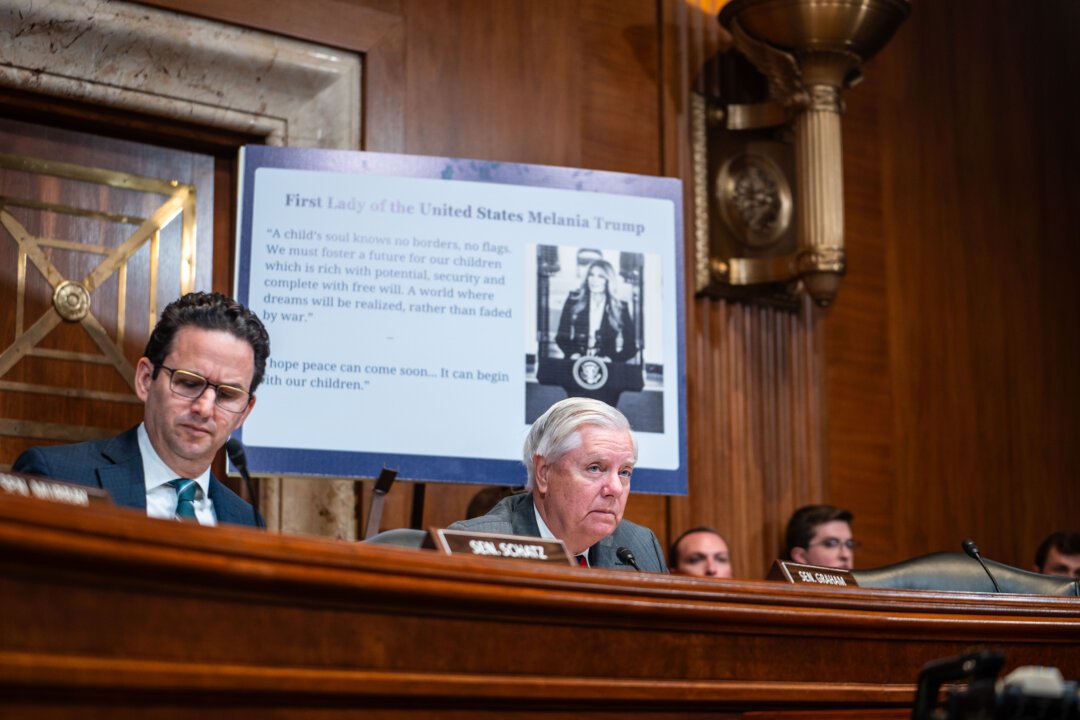
The renewed congressional effort gained momentum during a pivotal December 3 Senate hearing that examined disturbing allegations against Moscow’s treatment of Ukrainian minors since the war began. The testimonies painted a harrowing picture of forced relocations and indoctrination programs targeting vulnerable children torn from their families.
Leading the charge are Senators Lindsey Graham, a South Carolina Republican, and Richard Blumenthal, a Connecticut Democrat, who first introduced groundbreaking legislation in 2022 to place Russia on the exclusive list of nations officially recognized by the United States as state sponsors of terrorism.
The original bill’s introduction came on the same day Russian forces launched a devastating missile attack on the Karachunivske reservoir, causing catastrophic flooding in Kryvyi Rih, the hometown of Ukrainian President Volodymyr Zelenskyy. The timing underscored the escalating nature of Russia’s military campaign and its impact on civilian infrastructure.
The terrorist designation would place Russia alongside a small group of nations currently on the State Department’s list, including Iran, North Korea, Syria, and Cuba. Such a classification would trigger severe economic sanctions and further isolate Moscow from the international financial system.
Ukraine has made the return of all abducted children a cornerstone of any future peace negotiations with Russia. Ukrainian officials have declared it “non-negotiable” that every kidnapped child must be returned before Kyiv would consider accepting any peace agreement with Moscow.
The allegations center on Russia’s systematic removal of Ukrainian children from occupied territories, followed by their placement in Russian families or institutions where they undergo what critics describe as forced cultural assimilation and political indoctrination designed to erase their Ukrainian identity.
International human rights organizations and Ukrainian authorities have documented thousands of cases where children have been separated from their families and transported deep into Russian territory, making their recovery increasingly difficult as the conflict continues.
The bipartisan nature of the legislation reflects the broad consensus in Congress regarding Russia’s conduct during the war, transcending typical partisan divisions on foreign policy matters. Both Republican and Democratic lawmakers have expressed outrage over the treatment of Ukrainian civilians, particularly children caught in the conflict.
The Senate hearing represented a crucial step in building the political momentum necessary to advance the terrorism designation through both chambers of Congress, though the measure would ultimately require executive branch implementation to take full effect.
As the war approaches its third year, the fate of Ukraine’s children remains one of the most emotionally charged aspects of the conflict, with families across Ukraine desperately seeking information about missing relatives and international bodies working to document and address what many characterize as war crimes.