




































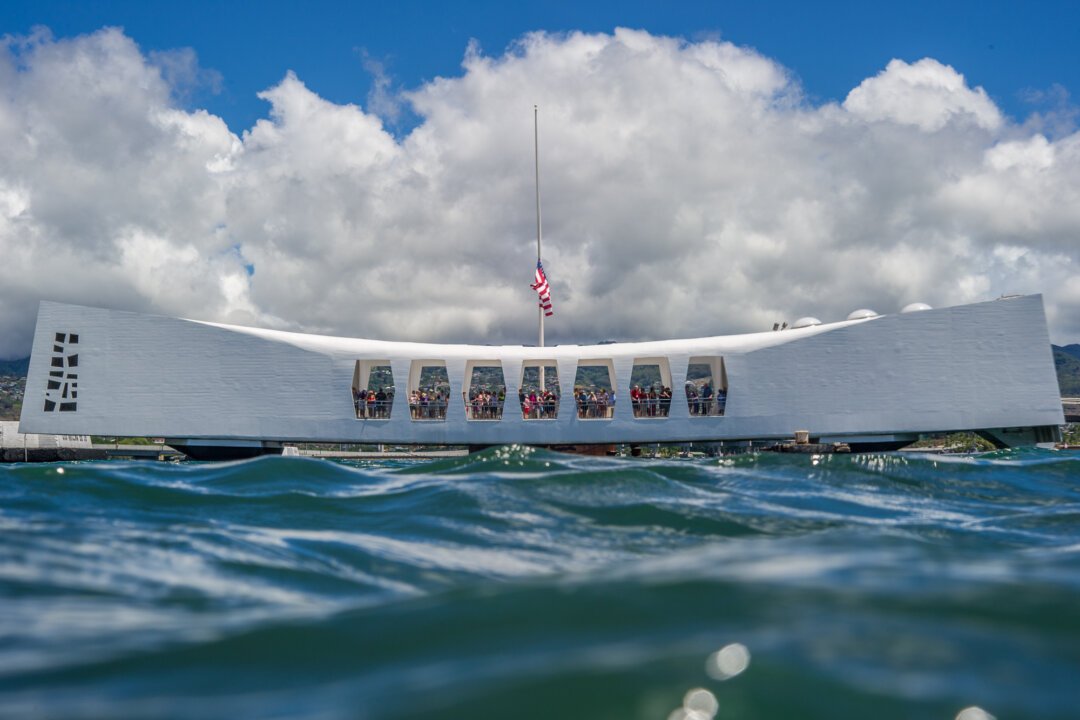
At 103 years old, Ken Hartle had survived more near-death experiences than most people could imagine. The centenarian would regale listeners with tales of his remarkable resilience—rattlesnake bites, scorpion stings, devastating car crashes, multiple bone fractures, battles with colon and prostate cancer, and even sextuple cardiac bypass surgery. Yet despite his willingness to share these extraordinary survival stories, there was one memory that Hartle kept locked away in the depths of his mind: his traumatic underwater missions to recover the bodies of fallen American sailors from the wreckage at Pearl Harbor.

The morning of December 7, 1941, began with an ominous sign that few recognized at the time. At 6:45 a.m., the USS Ward was conducting routine patrol operations outside Pearl Harbor’s entrance when crew members detected something alarming—a Japanese submarine shadowing an American cargo vessel. The Ward’s crew acted swiftly, engaging and destroying the enemy submarine in what would later be recognized as one of the first shots fired in America’s entry into World War II.
What followed that fateful morning would forever change the course of American history and leave an indelible mark on the lives of those tasked with the grim aftermath. In the immediate wake of the devastating Japanese attack on Pearl Harbor, Navy salvage divers like Hartle were called upon to perform one of the war’s most psychologically demanding missions: descending into the murky, oil-contaminated waters to retrieve the bodies of their fallen comrades.
These brave divers faced conditions that would challenge even the most experienced underwater specialists. The harbor’s waters had been transformed into a hellscape of twisted metal, burning oil, and debris from the destroyed and damaged vessels. Visibility was severely limited, and the emotional toll of recovering the bodies of fellow servicemen created psychological scars that many divers, including Hartle, would carry for the rest of their lives.
The salvage operations at Pearl Harbor represented more than just a recovery mission—they were acts of honor, ensuring that America’s fallen heroes could be properly laid to rest and returned to their families. For divers like Hartle, these underwater missions became a burden of service that went far beyond the call of duty, requiring not just physical courage but extraordinary mental fortitude.
Hartle’s reluctance to discuss these particular memories, despite his openness about other life-threatening experiences, speaks to the profound impact these missions had on the men who carried them out. Their work in the aftermath of Pearl Harbor exemplified the quiet heroism of those who served not in the heat of battle, but in the somber task of honoring the fallen and beginning the long process of healing a wounded nation.