


























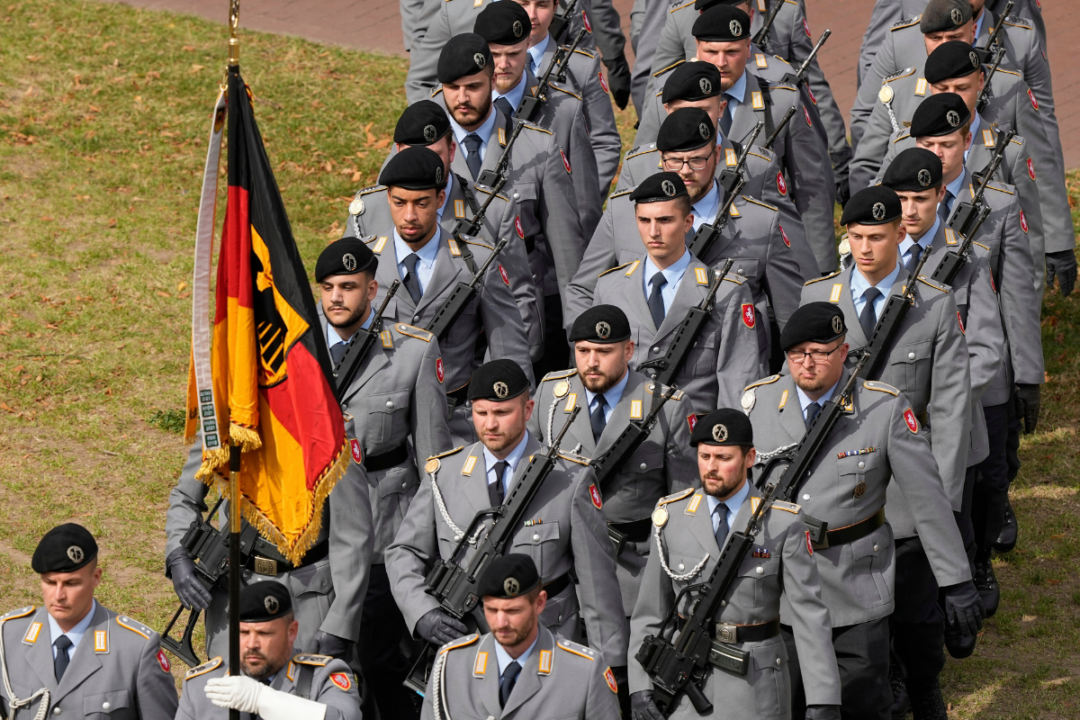
In a significant move to address chronic staffing shortages within its armed forces, the German Bundestag passed legislation on December 5 establishing a comprehensive framework for voluntary military service, while strategically keeping the door open for potential conscription if recruitment targets fall short.
The parliamentary vote saw 323 lawmakers support the measure against 272 opponents, with one abstention, signaling broad backing for the government’s initiative to revitalize the Bundeswehr through what officials describe as a “new, attractive military service” model.
Under the approved legislation, recruits commit to a minimum service period of six months. However, those willing to extend their commitment to at least 12 months receive tangible incentives, including government subsidies for obtaining driver’s licenses for both cars and commercial trucks—a practical benefit designed to make military service more appealing to young Germans.
The law represents a carefully calibrated approach to Germany’s military personnel crisis. While maintaining the voluntary nature of service, lawmakers deliberately preserved the legal pathway for implementing mandatory conscription should the current recruitment strategy prove insufficient to meet the Bundeswehr’s operational requirements.
This legislative development comes as Germany continues to reassess its defense capabilities amid evolving security challenges across Europe. The country suspended compulsory military service in 2011, transitioning to an all-volunteer force, but has since struggled to maintain adequate troop levels necessary for its NATO commitments and national defense obligations.
The new framework reflects a pragmatic recognition that modern military service must offer compelling reasons for civilian participation beyond patriotic duty alone. By incorporating practical benefits like driving license subsidies and emphasizing the voluntary nature of service, German policymakers are attempting to make military careers more attractive to a generation with diverse career options.
The legislation’s passage marks a pivotal moment in Germany’s post-Cold War military evolution, as the nation seeks to balance its pacifist traditions with growing security responsibilities in an increasingly unstable international environment. The success of this voluntary approach will likely determine whether Germany ultimately returns to compulsory military service for the first time in over a decade.


