


























Australia has taken a decisive stance against Afghanistan’s Taliban regime, implementing targeted sanctions against four high-ranking officials in what experts are calling a “principled and timely” response to the group’s oppressive governance. However, the move introduces fresh complexities to Australia’s already challenging diplomatic relationship with Afghanistan.
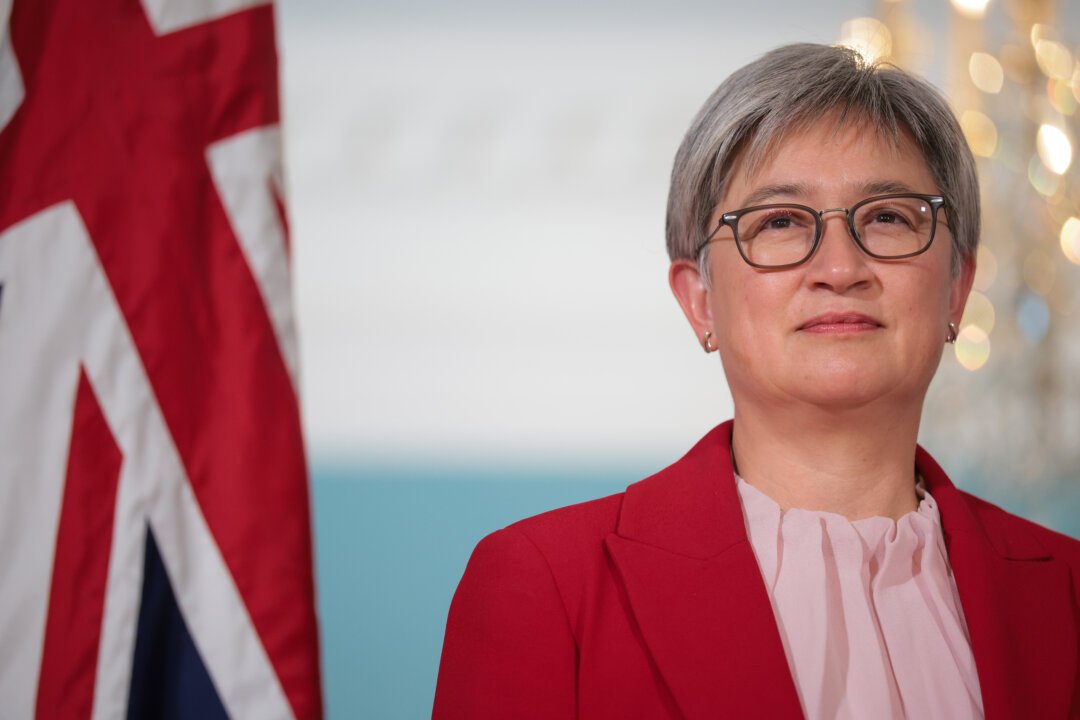
Foreign Minister Penny Wong announced the sanctions targeting three Taliban ministers alongside Afghanistan’s chief justice, effectively prohibiting Australian citizens and entities from providing arms or related services to these individuals. The measures also freeze any assets or funds these officials may hold within Australian jurisdiction, preventing locals from conducting financial dealings with the sanctioned parties.
The sanctions represent Australia’s strongest rebuke yet of the Taliban’s governance since the group regained control of Afghanistan in August 2021. Human rights advocates have welcomed the action as a necessary response to the regime’s systematic oppression, particularly its severe restrictions on women’s rights and freedoms.
However, the punitive measures create a diplomatic paradox for Canberra. While Australia joins international efforts to pressure the Taliban through economic isolation, the sanctions complicate any potential future engagement with Afghan authorities on humanitarian issues, regional security concerns, or the fate of remaining Australian interests in the country.
The targeted nature of the sanctions reflects Australia’s careful balancing act – condemning Taliban leadership while attempting to preserve channels for humanitarian assistance to the Afghan population. This approach mirrors strategies adopted by other Western nations grappling with similar diplomatic challenges in dealing with the de facto Afghan government.
The timing of Australia’s announcement coincides with growing international pressure on the Taliban regime, which has faced widespread criticism for its restrictions on education, employment, and basic freedoms for Afghan women and girls. The regime’s policies have drawn condemnation from the United Nations and human rights organizations worldwide.
For Australia’s foreign policy establishment, the sanctions underscore the government’s commitment to upholding international human rights standards while navigating the complex realities of dealing with an unrecognized but functionally controlling government in Afghanistan.
The measures also raise questions about the future of any Australian diplomatic presence or engagement with Afghanistan, as the sanctioned officials hold key positions within the Taliban’s governing structure. This could potentially impact Australia’s ability to advocate for Afghan citizens seeking asylum or to coordinate humanitarian efforts in the region.