





































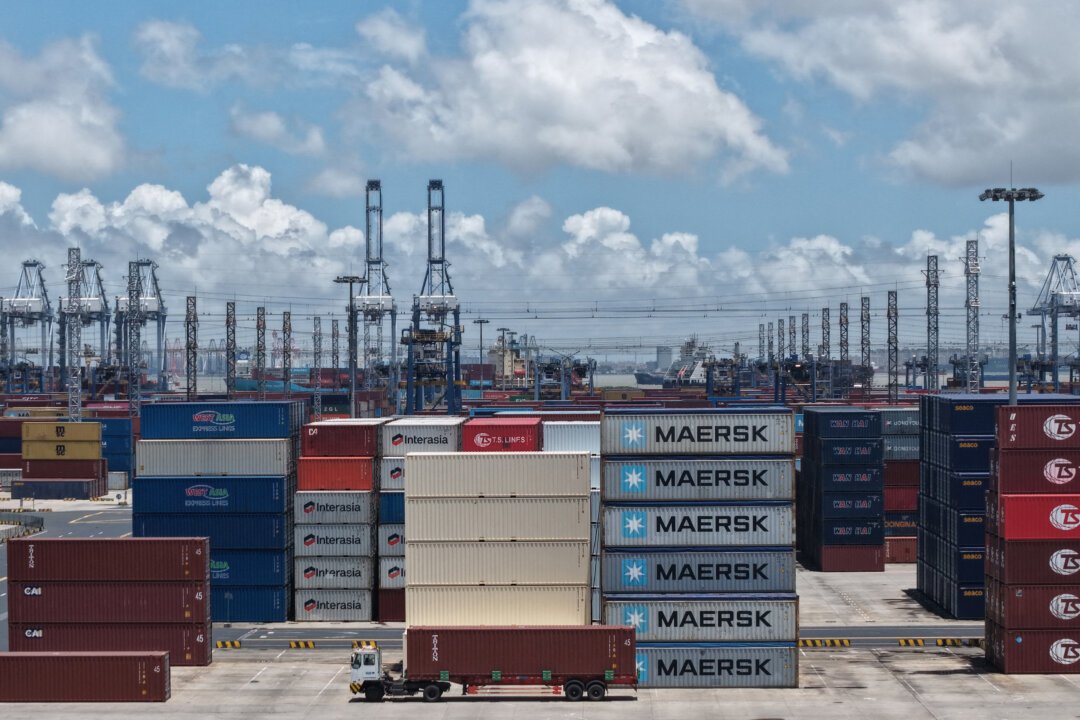
A comprehensive economic analysis has revealed that China would bear the brunt of devastation if escalating trade tensions with the United States evolved into a complete economic embargo, with the Chinese economy potentially suffering damage five to seven times greater than what America and its allies would experience.

The stark findings, presented by Dartmouth Professor Stephen Brooks, paint a sobering picture of how vulnerable China’s export-dependent economy remains despite decades of rapid growth. According to the research, a coordinated “economic cutoff” by the United States and its international partners could trigger a catastrophic decline in China’s gross domestic product, with projections showing potential losses ranging from 15 percent to a staggering 51 percent within just one year.
The asymmetric nature of potential economic warfare reflects fundamental differences in how the two superpowers have structured their economies. While both nations would undoubtedly suffer severe consequences from total export-import restrictions, China’s heavy reliance on manufacturing goods that can be produced in alternative locations makes it particularly vulnerable to sustained economic isolation.
This economic vulnerability stems from China’s position as the world’s manufacturing hub, where countless products are assembled for global markets. Unlike services or natural resources that are geographically bound, manufactured goods can potentially be relocated to other countries, leaving China exposed if major trading partners coordinated to exclude it from international commerce.
The research comes at a time when trade relationships between Washington and Beijing remain delicate, with both nations carefully navigating economic policies that could trigger broader conflicts. The findings suggest that while economic warfare would inflict mutual damage, the scales would tip heavily against China in any prolonged confrontation.
Professor Brooks’ analysis underscores the complex interdependencies that define modern global trade, where economic weapons can prove more devastating than traditional military conflicts. The research indicates that China’s remarkable economic rise over recent decades has come with inherent vulnerabilities that could be exploited in extreme scenarios.
The implications extend beyond bilateral relations between the United States and China, as any economic cutoff would likely require coordination among America’s allies to achieve maximum impact. Such cooperation would test the strength of international partnerships and potentially reshape global supply chains permanently.
These findings arrive as policymakers on both sides of the Pacific continue to grapple with balancing economic competition against the risks of triggering broader conflicts that could destabilize the global economy. The research provides crucial data points for understanding the potential consequences of escalating trade disputes beyond current tariff structures.