





































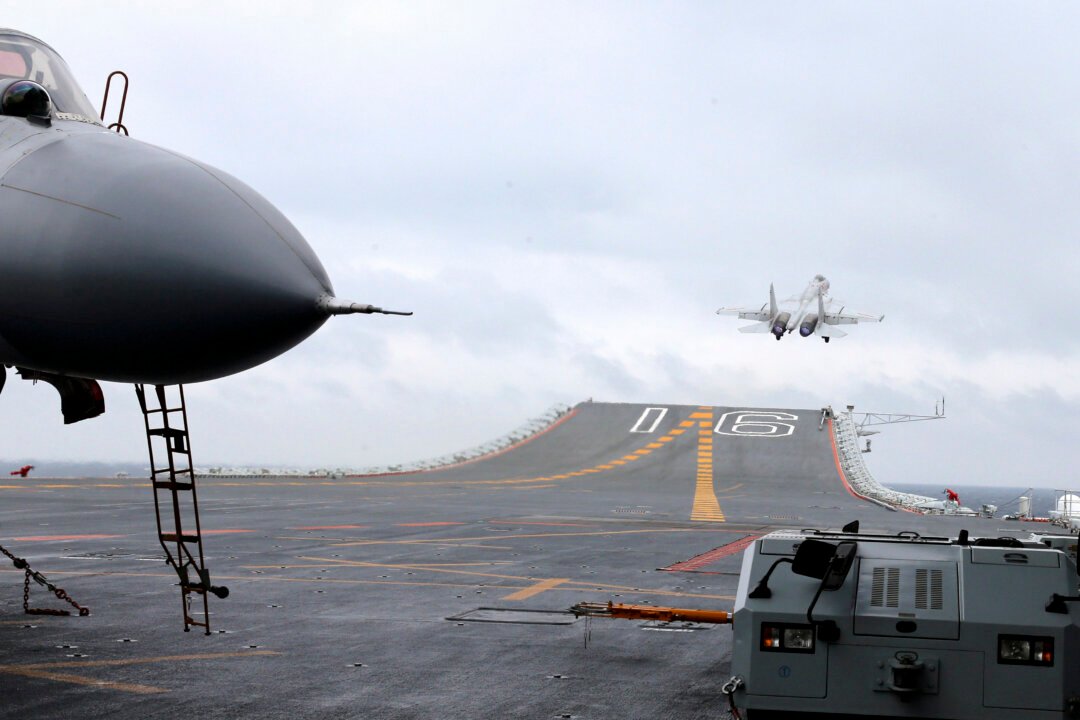
Tensions between Japan and China escalated following allegations that Chinese military aircraft used targeting radar against Japanese fighter jets during a confrontation over international waters near Okinawa Island, Japan’s Ministry of Foreign Affairs announced Saturday.

The provocative incident occurred twice during afternoon hours on December 6, approximately 400 miles south of mainland Japan in the disputed waters of the East China Sea. Japanese officials characterized the radar lock-on maneuvers as a significant escalation that could have endangered both aircraft and crews involved.
According to Tokyo’s official statement released December 7, the Chinese fighter jets deliberately activated their fire-control radar systems to target the Japanese aircraft operating in what Japan considers international airspace. Such radar targeting is widely regarded in military circles as a hostile act, as it represents the preliminary step before launching missiles or engaging in aerial combat.
The waters surrounding Okinawa have become an increasingly contentious flashpoint between the two Asian powers, with both nations regularly conducting military patrols and exercises in the region. China has intensified its military presence in the East China Sea in recent years, challenging Japan’s territorial claims and testing the response capabilities of Japanese Self-Defense Forces.
This latest confrontation adds to a series of maritime and aerial encounters that have strained diplomatic relations between Beijing and Tokyo. Military analysts note that radar lock-on incidents represent a dangerous escalation in tactics, moving beyond simple territorial incursions to actions that could trigger armed conflict.
The timing of the incident coincides with heightened regional tensions as China continues its military modernization program and expands its operational reach throughout the South and East China Seas. Japanese defense officials have repeatedly expressed concern over what they view as increasingly aggressive Chinese military posture in waters close to Japanese territory.
Neither Chinese military officials nor Beijing’s foreign ministry had issued a response to Japan’s allegations at the time of this report. Previous similar incidents have typically prompted diplomatic protests from both sides, with each nation defending its right to operate in what it considers legitimate territorial or international waters.