





































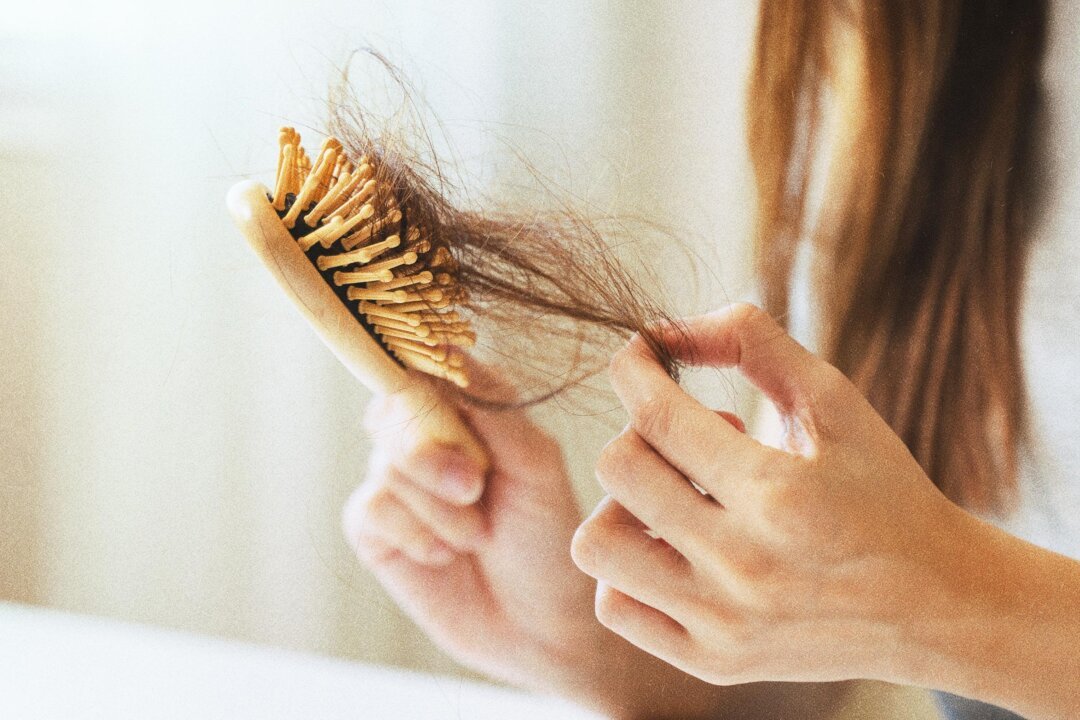
When hair starts falling out in alarming amounts, most people immediately think of genetics, stress, or hormonal changes. But what if your thinning hair is actually your body’s way of sending a much deeper message about your overall health?

Traditional Chinese Medicine (TCM) practitioners are shedding new light on hair loss, suggesting that what we see in the mirror often reflects complex internal imbalances that go far beyond what conventional medicine typically addresses. This ancient medical system views hair thinning not as an isolated cosmetic issue, but as a window into the body’s underlying constitutional patterns, stress response mechanisms, and inflammatory processes.
The TCM approach to hair loss focuses on identifying and correcting these root imbalances through natural therapies including herbal formulations, targeted acupressure techniques, and personalized lifestyle modifications designed to restore the body’s natural harmony from within.
Understanding Hair Loss Through the TCM Lens
During a recent episode of NTDTV’s “She Health” program, renowned Taiwanese TCM practitioner and president of the Tongde Medical Association, Cheng-Hsiu Shih, explained that hair loss rarely stems from a single cause. Instead, it typically represents disruptions across multiple interconnected body systems.
“Hair loss seldom has a single cause,” Shih emphasized, noting that the most frequently observed patterns involve blood deficiency, kidney yin deficiency, damp-heat accumulation, chronic stress responses, or adverse reactions to medications, including cancer treatments.
The Blood-Hair Connection: Why Circulation Matters
One of TCM’s fundamental principles regarding hair health centers on the concept that “hair is the surplus of blood.” This ancient wisdom emphasizes the critical relationship between robust blood circulation and healthy hair growth. When blood flows abundantly and smoothly throughout the body, it delivers essential nutrients to the scalp, creating optimal conditions for strong, resilient hair follicles.
Blood deficiency, according to TCM theory, can manifest in various ways beyond just hair loss. Patients may experience fatigue, pale complexion, dizziness, or brittle nails alongside their hair concerns. This holistic view allows practitioners to address multiple symptoms simultaneously by focusing on improving overall blood quality and circulation.
Kidney Yin Deficiency: The Foundation of Hair Health
In Traditional Chinese Medicine, the kidneys are considered the storehouse of the body’s essential energy, or “jing.” Kidney yin deficiency represents a depletion of the body’s cooling, nourishing essence, which can directly impact hair growth and quality. This condition often develops gradually and may be accompanied by symptoms such as premature graying, dry skin, night sweats, or feelings of internal heat.
Unlike Western medicine’s focus on the kidneys as filtration organs, TCM views kidney health as fundamental to growth, development, and regeneration throughout the body. When kidney yin becomes depleted through chronic stress, overwork, aging, or constitutional weakness, hair follicles may lack the deep nourishment they need to maintain healthy growth cycles.
Modern Implications of Ancient Wisdom
What makes the TCM approach particularly relevant today is its recognition of how modern lifestyle factors contribute to hair loss patterns. Chronic stress, irregular sleep schedules, processed foods, and emotional strain all play roles in disrupting the body’s natural balance, potentially leading to the constitutional patterns that manifest as hair thinning.
The damp-heat accumulation pattern, for instance, often correlates with contemporary issues like inflammatory scalp conditions, excessive oil production, or scalp irritation that can interfere with healthy hair growth. This pattern may develop from dietary factors, environmental toxins, or chronic low-grade inflammation that conventional medicine might not immediately connect to hair health.
Rather than simply treating the symptom of hair loss, TCM practitioners work to identify and address these underlying constitutional imbalances, potentially offering a more comprehensive and sustainable approach to restoring hair health while simultaneously improving overall well-being.
This integrative perspective suggests that effective hair loss treatment may require looking beyond the scalp to consider the complex interplay of factors affecting the body’s internal systems, offering hope for those who haven’t found answers through conventional approaches alone.