



































A sophisticated cybersecurity breach that allowed foreign operatives to infiltrate sensitive U.S. government systems has resulted in a 15-month prison sentence for a Maryland resident who orchestrated the elaborate scheme.

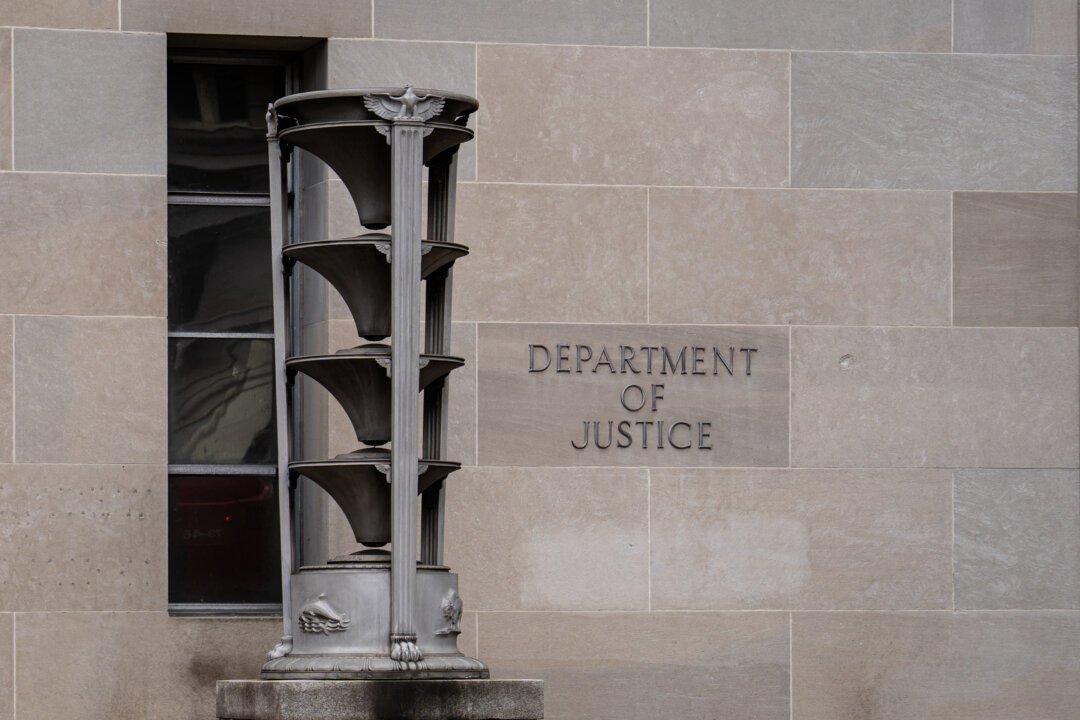
Minh Phuong Ngoc Vong, 37, of Bowie, Maryland, received his sentence on December 4th after pleading guilty to conspiracy to commit wire fraud earlier this year. The Department of Justice revealed that Vong’s criminal enterprise spanned three years, from 2021 to 2024, during which he systematically helped North Korean agents gain unauthorized access to American corporate and government networks.
The scheme operated with alarming sophistication, according to federal prosecutors. Vong used fraudulent credentials and false identities to secure remote information technology positions with at least 13 private U.S. companies and four government agencies. However, the actual work was performed by co-conspirators operating from China, who were working on behalf of North Korean interests.
“The defendant is accused of using false identities on behalf of North Korea to infiltrate American companies,” an FBI official stated, highlighting the national security implications of the case.
This case represents a growing concern among cybersecurity experts about the increasing sophistication of foreign intelligence operations targeting American infrastructure. The remote work boom following the COVID-19 pandemic has created new vulnerabilities that hostile nations are actively exploiting.
The successful prosecution underscores the challenges facing U.S. companies and government agencies in verifying the true identity and location of remote workers. With millions of Americans now working from home, the traditional security perimeters that once protected sensitive systems have become increasingly porous.
Federal investigators have not disclosed which specific government agencies were compromised or the extent of sensitive information that may have been accessed during the three-year operation. The case highlights the urgent need for enhanced verification procedures for remote workers, particularly those seeking access to classified or sensitive systems.
The sentencing comes amid heightened tensions between the United States and North Korea over the isolated nation’s nuclear program and cyberwarfare capabilities. U.S. intelligence agencies have repeatedly warned about North Korea’s growing cyber capabilities and its willingness to use them for both financial gain and espionage purposes.
Vong’s relatively modest sentence reflects his cooperation with federal authorities, though the full scope of the intelligence breach remains under investigation. The case serves as a stark reminder of the evolving threats facing American cybersecurity in an era of remote work and digital connectivity.
The Department of Justice continues to investigate similar schemes, warning that foreign adversaries are increasingly targeting remote work arrangements as a pathway into sensitive American systems. Companies and government agencies are being urged to implement more rigorous identity verification procedures for remote employees and contractors.