







































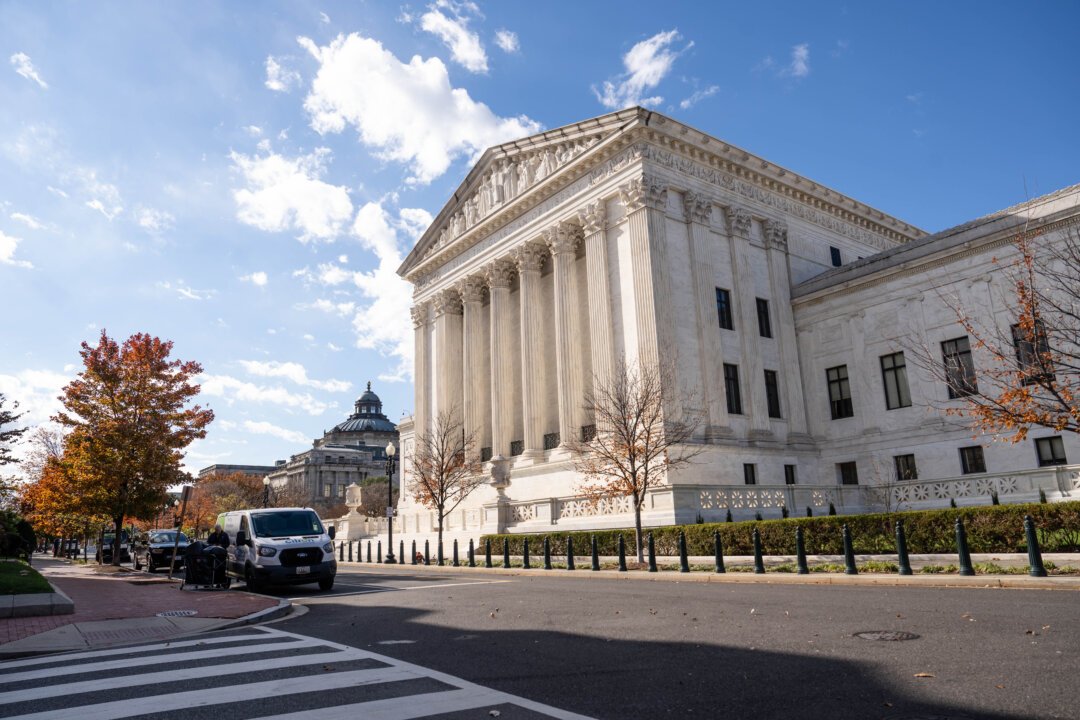
The United States Supreme Court convened on December 8 to hear arguments in what could become a defining case for presidential authority over federal agencies. The dispute centers on former President Donald Trump’s controversial dismissal of Federal Trade Commission Commissioner Rebecca Slaughter, but the implications stretch far beyond a single firing.

The case, officially designated as Trump v. Slaughter, has captured the attention of constitutional scholars and political observers alike. At its core lies a fundamental question about the balance of power in American government: Can Congress limit a president’s ability to remove appointed officials from independent federal agencies?
Based on the tenor of oral arguments, legal experts suggest the Supreme Court appears inclined to side with Trump’s position, potentially delivering a significant victory for executive authority. However, the extent of this potential ruling and its broader ramifications for presidential power remain subjects of intense speculation.
The outcome of this landmark case promises to reshape the landscape of federal governance, affecting not just the FTC but potentially dozens of other independent agencies that have long operated with some degree of insulation from direct presidential control. These agencies include regulatory bodies overseeing everything from financial markets to environmental protection.
The legal battle emerged from Trump’s decision to terminate Slaughter during his presidency, a move that challenged existing precedents regarding the independence of certain federal commissioners. Traditionally, members of agencies like the FTC have served fixed terms and could only be removed “for cause,” meaning specific reasons such as misconduct or incompetence.
Trump’s legal team argues that such restrictions violate the Constitution’s separation of powers doctrine, which they contend grants the president broad authority over the executive branch. They maintain that the president, as the head of the executive branch, should have unfettered power to remove subordinates who implement federal policy.
Constitutional law experts are closely monitoring this case because it could fundamentally alter how independent agencies operate. For decades, these bodies have maintained a degree of autonomy designed to insulate them from political pressure and ensure consistent policy implementation across different administrations.
The potential ripple effects extend beyond Washington’s bureaucratic machinery. A ruling favoring expanded presidential removal power could influence how future administrations approach regulatory oversight, enforcement priorities, and the continuity of long-term policy initiatives.
During the December 8 hearing, justices explored various scenarios and precedents, examining how their eventual decision might apply to different types of federal positions. The complexity of modern government structure means that any broad ruling could have unintended consequences across multiple sectors of federal administration.
Legal scholars note that this case represents the latest chapter in an ongoing judicial examination of presidential authority. Recent Supreme Court decisions have generally favored stronger executive power, and Trump v. Slaughter could continue that trend.
The timing of this case is particularly significant, given ongoing debates about government accountability and the proper scope of presidential influence over federal agencies. The outcome may influence how future presidents interact with regulatory bodies and independent commissions.
As the Supreme Court deliberates, government officials, legal practitioners, and policy advocates are preparing for potential changes to established administrative practices. The decision could require agencies to reconsider their operational procedures and relationship with the White House.
The case also highlights broader tensions between different branches of government regarding oversight and control of federal bureaucracy. Congress has historically used structural protections for agency officials as a way to ensure consistent policy implementation and prevent excessive political interference.
With a decision expected in the coming months, Trump v. Slaughter stands as one of the most consequential cases of the current Supreme Court term. The ruling will likely influence presidential power dynamics for years to come, regardless of which party occupies the White House.