





































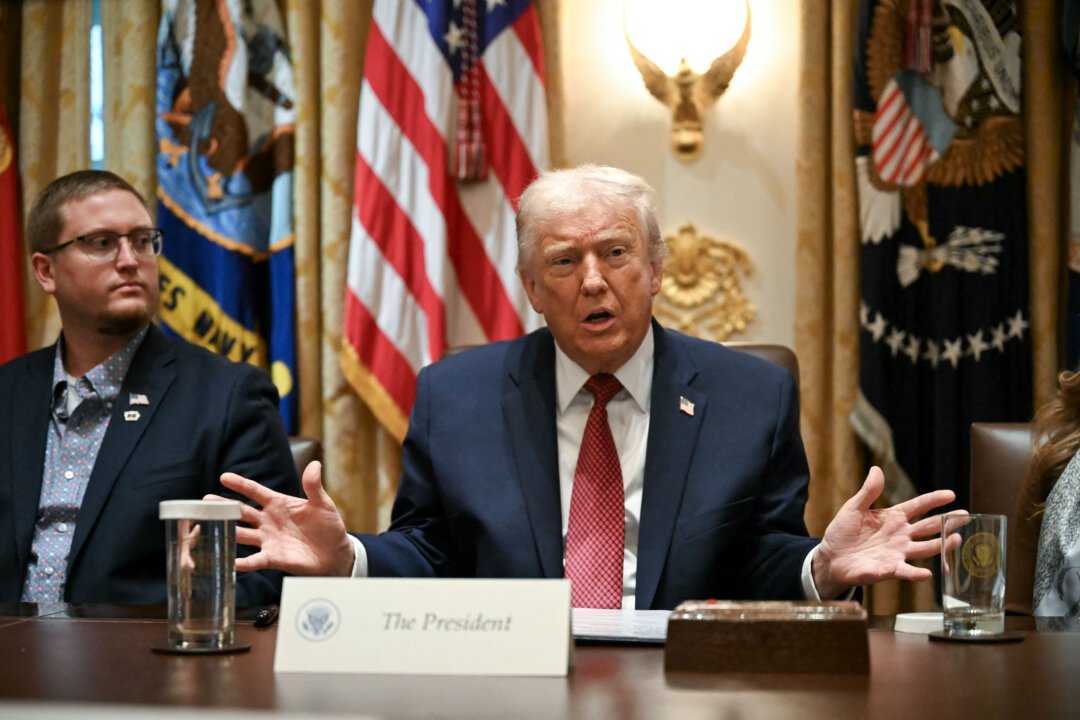
President Donald Trump has escalated a decades-old cross-border water dispute, threatening to impose additional 5% tariffs on Mexican imports unless the country immediately delivers hundreds of thousands of acre-feet of water owed to the United States under a historic treaty.

The president’s ultimatum centers on Mexico’s outstanding debt of approximately 800,000 acre-feet of Rio Grande water, which should have been delivered under the terms of a bilateral agreement signed in 1944. Trump’s administration argues that Mexico’s failure to honor these water commitments over the past five years has inflicted significant damage on Texas agricultural operations and farming communities along the border.
The 1944 Water Treaty between the United States and Mexico established specific water-sharing arrangements for the Rio Grande and Colorado River systems. Under this agreement, Mexico is required to deliver a predetermined amount of water to the U.S. from tributaries feeding the Rio Grande, particularly during drought periods when American farmers depend heavily on these allocations for crop irrigation.
Texas agricultural producers have been particularly vocal about the water shortage’s impact on their operations. The missing water deliveries have forced many farmers to reduce planted acreage, switch to less water-intensive crops, or invest in expensive alternative irrigation systems. The agricultural sector argues that Mexico’s treaty violations have cost the industry millions of dollars in lost revenue and compromised the region’s food production capacity.
Trump’s threat to impose additional tariffs represents a significant escalation in the ongoing dispute. The proposed 5% increase would be applied on top of existing trade levies, potentially affecting billions of dollars in cross-border commerce between the two nations. This move signals the administration’s willingness to use economic pressure to resolve what it views as Mexico’s non-compliance with international water-sharing obligations.
The water dispute has persisted through multiple presidential administrations, with previous efforts to resolve the issue through diplomatic channels yielding limited results. Mexico has historically cited its own domestic water shortages and drought conditions as reasons for delayed deliveries, arguing that severe weather patterns have reduced water availability in the tributary systems covered by the treaty.
Industry experts note that the Rio Grande water controversy reflects broader challenges facing water management in the increasingly arid southwestern United States and northern Mexico. Climate change has intensified drought conditions across the region, making water resources more precious and international sharing agreements more contentious.
The president’s announcement comes as trade relations between the United States and Mexico remain a key focus of his administration’s economic policy. Any new tariffs on Mexican goods could potentially impact consumer prices and supply chains for American businesses that rely on Mexican imports, from agricultural products to manufactured goods.
Agricultural stakeholders in Texas have welcomed Trump’s intervention, viewing the tariff threat as long-overdue pressure on Mexico to fulfill its treaty obligations. However, some trade analysts warn that escalating the dispute could complicate broader economic relationships between the neighboring countries and potentially invite retaliatory measures from Mexico.
The 1944 treaty remains one of the most significant water-sharing agreements in North America, governing the allocation of scarce water resources between two nations facing increasing pressure from population growth, industrial development, and climate variability. The current dispute underscores the growing challenges of managing shared natural resources in an era of increasing water scarcity.