







































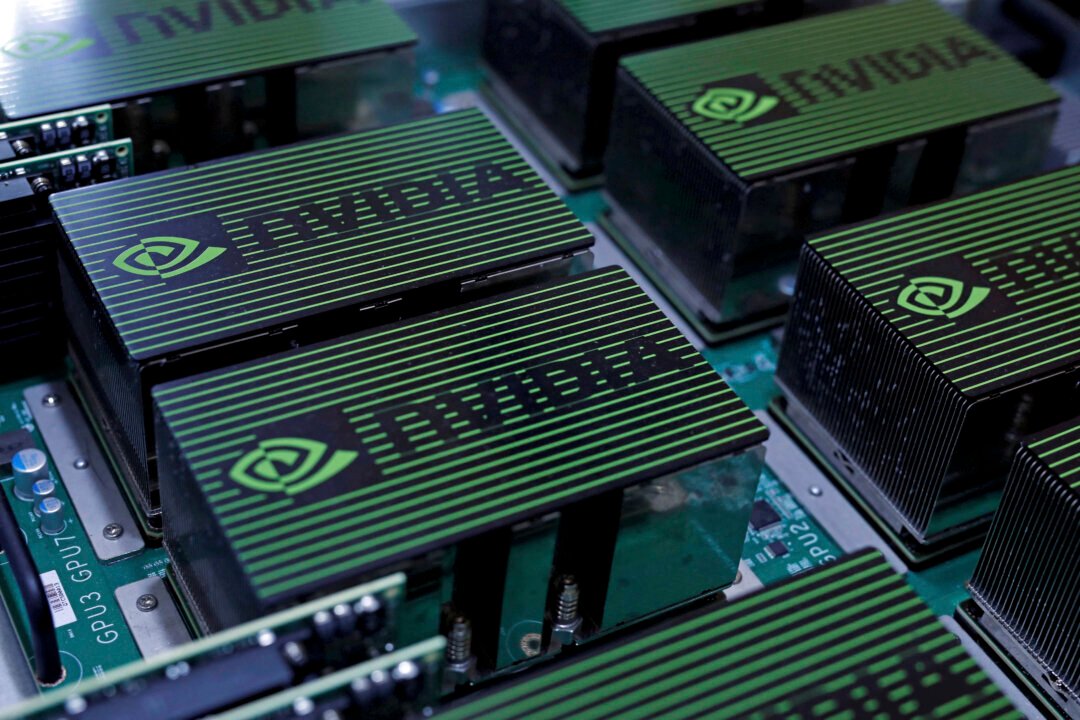
In a significant shift in U.S.-China technology policy, President Donald Trump revealed on December 8 that he has informed Chinese Communist Party leader Xi Jinping that the United States will permit exports of Nvidia’s advanced H200 AI chips to select Chinese customers.

The announcement, made via Trump’s Truth Social platform, marks a notable departure from previous export restrictions that have severely limited China’s access to cutting-edge artificial intelligence technology. Trump specified that the chip exports would be allowed to “approved customers” in China, but only “under conditions that allow for continued strong National Security.”
This policy adjustment represents a watershed moment for Nvidia, the world’s leading AI chip manufacturer, as it will be the first time the company can export its powerful Hopper series processors to China without requiring significant modifications to comply with existing U.S. export controls. The Hopper line, which includes the H200 chips, represents some of the most advanced AI processing technology currently available in the global market.
The implications extend far beyond Nvidia alone. Trump indicated that other American semiconductor companies will benefit from similar regulatory relief, suggesting a broader relaxation of the technology export restrictions that have been a cornerstone of U.S.-China trade tensions in recent years.
The timing of this announcement comes as both nations seek to recalibrate their complex economic relationship amid ongoing geopolitical tensions. The semiconductor industry has been at the center of this diplomatic chess match, with AI chips particularly scrutinized due to their potential military and strategic applications.
For Nvidia, which has seen its market valuation soar alongside the artificial intelligence boom, access to the Chinese market could translate into billions of dollars in additional revenue. China represents one of the world’s largest technology markets and has been aggressively investing in AI development across various sectors, from autonomous vehicles to advanced manufacturing.
However, the devil will likely be in the details of implementation. The reference to “approved customers” suggests that a vetting process will determine which Chinese entities can receive these advanced chips, potentially excluding companies with direct ties to China’s military or those involved in activities deemed sensitive to U.S. national security interests.
Industry analysts will be closely watching how this policy change affects the broader semiconductor landscape, particularly as other nations navigate their own technology export policies in an increasingly interconnected global economy. The move could also influence ongoing negotiations between the two superpowers on various trade and technology-related issues.
The announcement underscores the delicate balance policymakers must strike between maintaining national security interests and supporting American companies’ access to global markets. As AI technology continues to reshape industries worldwide, the flow of these critical components between the world’s two largest economies remains a key factor in determining the future of technological innovation and economic cooperation.