





































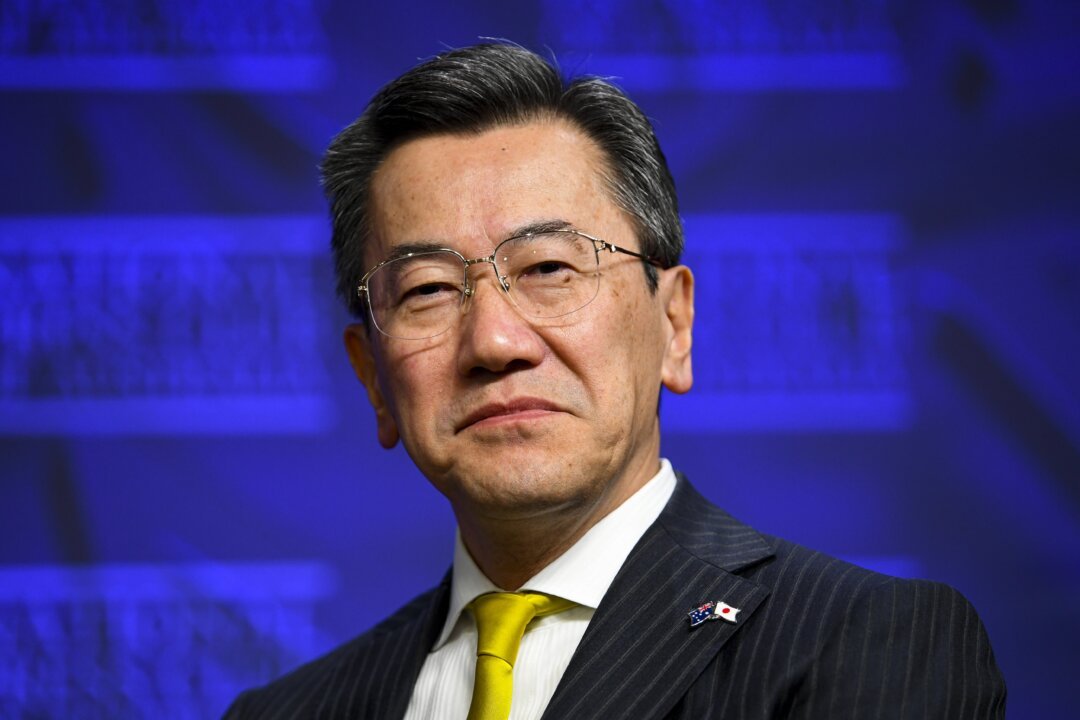
A former Japanese ambassador to Australia has thrown his weight behind controversial comments from Japan’s Prime Minister regarding Taiwan, describing the remarks as nothing more than “common sense” while raising concerns about growing diplomatic distance between Canberra and Tokyo.

Shingo Yamagami, who served as Japan’s ambassador to Australia from December 2020 to April 2023, defended Prime Minister Sanae Takaichi’s recent statements about responding to potential aggression in the Taiwan Strait. The diplomatic veteran argued that Takaichi’s position simply reaffirmed Japan’s existing defense policies rather than marking any significant policy shift.
Speaking with the authority of someone who spent over two years navigating the complex diplomatic relationship between the two Pacific allies, Yamagami characterized Takaichi’s remarks as grounded in “common sense and knowledge.” His defense comes as regional tensions continue to simmer over China’s increasingly assertive posture toward Taiwan.
However, Yamagami’s comments extended beyond mere support for his country’s leadership. The seasoned diplomat delivered a pointed assessment of the current state of Australia-Japan relations, suggesting that the two nations are no longer aligned in their approach to dealing with the Chinese Communist Party.
This observation carries particular weight given Yamagami’s firsthand experience managing bilateral relations during a period of significant geopolitical upheaval. His tenure coincided with heightened tensions between China and both Australia and Japan, making his perspective on the evolving diplomatic landscape especially relevant.
The former ambassador’s remarks highlight the delicate balancing act facing regional powers as they navigate China’s growing influence while maintaining their own strategic interests. Japan’s position on Taiwan has long been a sensitive issue, given the island’s proximity to Japanese territory and the potential security implications of any conflict in the strait.
Yamagami’s assessment of diverging approaches between Australia and Japan regarding China policy suggests potential challenges ahead for what has traditionally been a strong alliance. Both countries have been key partners in various regional security arrangements, including the Quad partnership alongside the United States and India.
The timing of these observations is particularly significant as both nations continue to recalibrate their strategies in response to China’s evolving regional role. Australia has faced its own challenges with Beijing in recent years, including trade disputes and diplomatic tensions that have only recently begun to ease.
As regional dynamics continue to shift, the perspectives offered by experienced diplomats like Yamagami provide crucial insights into how traditional alliances may need to adapt to new geopolitical realities. His frank assessment of the current state of Australia-Japan coordination on China policy serves as a reminder of the complex challenges facing democratic nations in the Indo-Pacific region.