





































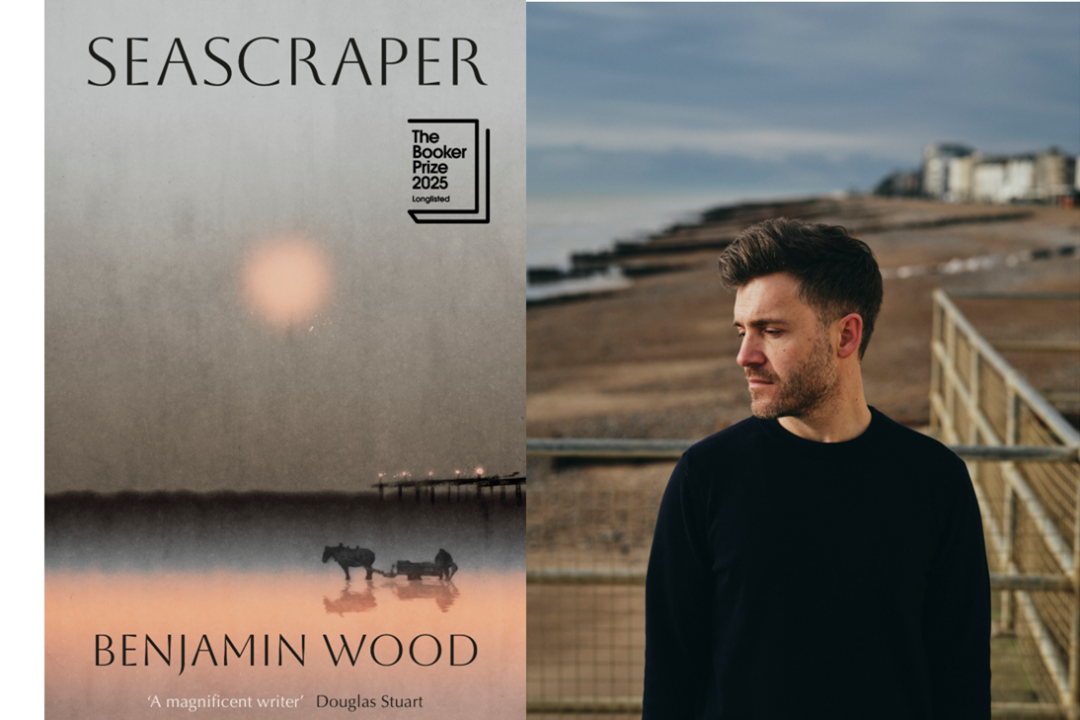
In the windswept coastal town of Longferry, England, 1962, Thomas Flett embodies a dying breed. While his contemporaries embrace mechanized fishing boats and modern trawling methods, this young shanker clings to an ancient way of life that’s slowly disappearing beneath the waves of progress.

Benjamin Wood’s latest novel “Seascraper” introduces us to Flett, a man barely into his twenties who carries the weathered soul of someone twice his age. Day after day, he guides his horse along the shoreline, dragging nets through the treacherous muck in search of shrimp when the tide retreats. His hands remain perpetually raw and frozen, his clothes permanently stained with the scent of the sea’s bounty.
The contrast between old and new couldn’t be starker. While Flett maintains the backbreaking traditions that claimed his grandfather’s life, his fellow fishermen have abandoned the dangerous, labor-intensive methods of the past. Armed with motorized vessels and industrial-sized nets, these modern trawlers venture into deeper waters, returning with catches that dwarf anything Flett could hope to gather by hand—often five times more profitable than his traditional approach.
Yet Flett persists in his chosen path, a living relic of maritime tradition in an increasingly mechanized world. His dedication to the old ways raises compelling questions about the price of progress and the value of preserving ancient crafts in the face of economic pressure.
Wood’s narrative takes an intriguing turn with the arrival of a mysterious American visitor to Longferry. This stranger’s presence promises to disrupt Flett’s carefully ordered existence, potentially offering an escape from the harsh realities of his chosen profession. The question that drives the novel forward is whether this encounter will finally convince the stubborn young shanker to abandon his grandfather’s legacy or strengthen his resolve to preserve it.
“Seascraper” stands as one of 2025’s most compelling literary offerings, weaving themes of tradition, sacrifice, and the relentless march of progress into a narrative that captures both the beauty and brutality of life on England’s unforgiving coastline. Wood’s portrayal of a man caught between past and future resonates with anyone who has ever struggled to maintain their principles in a rapidly changing world.
The novel’s strength lies in its unflinching examination of what we’re willing to sacrifice for our beliefs, and what happens when those beliefs are tested by the promise of an easier path. Through Flett’s story, Wood creates a powerful meditation on identity, heritage, and the true cost of staying true to one’s convictions.