







































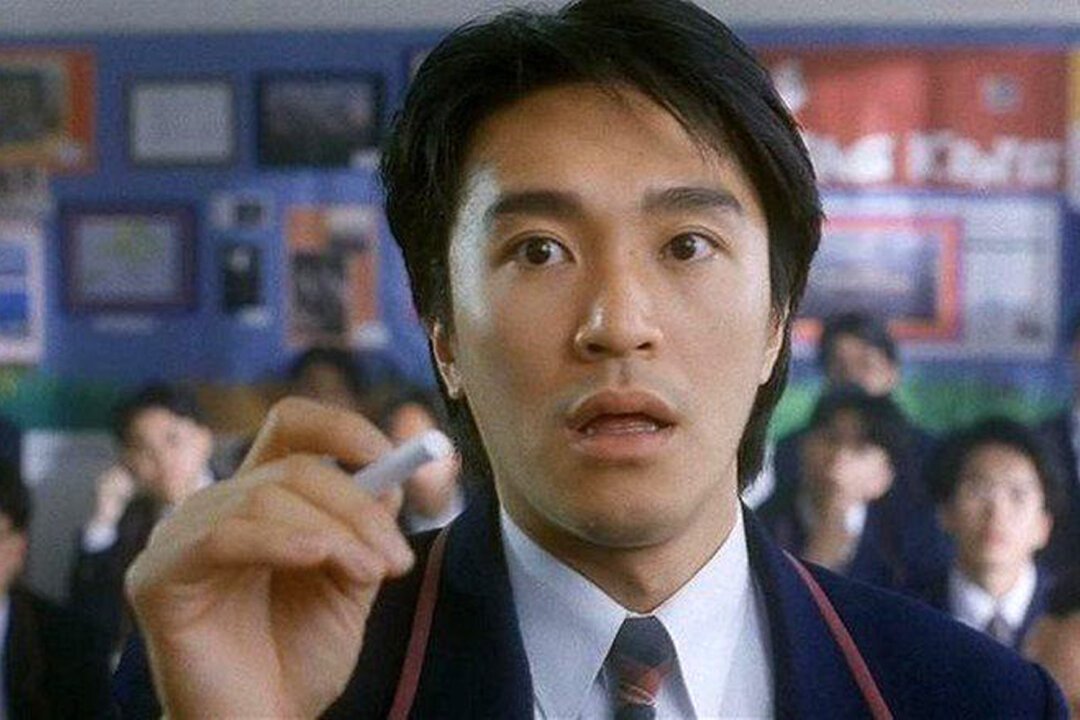
In the golden era of Hong Kong cinema, when legendary director John Woo was revolutionizing action sequences with his signature “gun fu” style and stars like Chow Yun-fat were becoming international sensations, a different kind of masterpiece was quietly taking shape. “Fight Back to School,” a 1991 action-comedy that masterfully blends slapstick humor with schoolyard chaos, stands as a testament to Hong Kong’s unstoppable filmmaking momentum of the early 1990s.

This 100-minute romp follows Star Chow, portrayed by the incomparable Stephen Chow, as he embarks on an undercover mission that places him in the most unlikely of settings: a high school classroom. What unfolds is a delightful exercise in controlled mayhem, where chaos isn’t just an element of the plot—it’s treated like a trusted companion that guides every comedic beat and action sequence.
The film emerged during a period when Hong Kong cinema was reaching unprecedented heights of creativity and commercial success. While action maestros were perfecting the art of making protagonists walk away from explosions without losing their composure, “Fight Back to School” took a refreshingly different approach, embracing the absurd and finding humor in the most unexpected situations.
What makes this crime-comedy particularly compelling is its ability to balance multiple genres without losing its core identity. The action sequences are expertly choreographed, the comedy timing is impeccable, and the crime elements add just enough tension to keep viewers engaged throughout. Stephen Chow’s performance as the undercover protagonist showcases his unique ability to navigate between physical comedy and genuine dramatic moments.
The film’s setting—a school environment—provides the perfect backdrop for the kind of creative chaos that Hong Kong filmmakers of the era were known for. Unlike the polished action sequences that dominated theaters at the time, “Fight Back to School” finds its strength in the unpredictable nature of its educational setting, where anything can happen and usually does.
For modern audiences discovering this gem, “Fight Back to School” offers a fascinating glimpse into a pivotal moment in cinema history. It represents the experimental spirit that made Hong Kong films so influential worldwide, demonstrating how filmmakers could take familiar genres and twist them into something entirely fresh and entertaining.
The movie’s enduring appeal lies in its commitment to pure entertainment. In an era when action films were becoming increasingly serious and dramatic, “Fight Back to School” reminded audiences that cinema could be both thrilling and genuinely funny. This balance between action and comedy would influence countless films that followed, establishing a template that filmmakers continue to draw from today.
As part of the broader Hong Kong cinema renaissance, “Fight Back to School” deserves recognition not just as a entertaining time-capsule, but as a significant contribution to the action-comedy genre. It captures the innovative spirit that made Hong Kong cinema a global phenomenon, proving that sometimes the most memorable films are those that aren’t afraid to embrace controlled chaos and find humor in the most unexpected places.