






































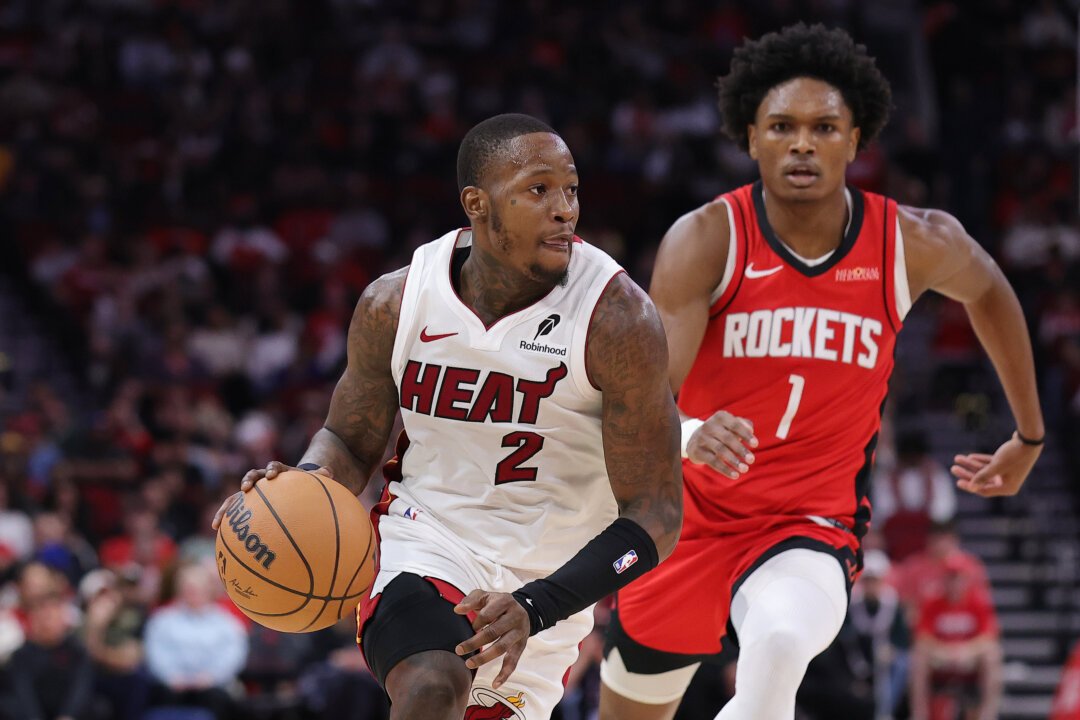
Miami Heat guard Terry Rozier appeared in federal court on December 8th, entering a not guilty plea to serious federal charges connected to an alleged sports betting conspiracy that has sent shockwaves through the NBA community.

The 30-year-old professional basketball player faces two federal charges: conspiracy to commit wire fraud and conspiracy to commit money laundering. Following his court appearance, Rozier was released after posting a substantial $3 million bond, underscoring the severity of the allegations against him.
Rozier’s legal troubles began in October when he was arrested on the 23rd, marking a dramatic turn for the veteran guard who has built a reputation as a reliable scorer throughout his NBA career. The specific details of the alleged conspiracy have not been fully disclosed by federal prosecutors, leaving questions about the scope and nature of the purported scheme.
The timing of these charges creates additional complications for both Rozier and the Miami Heat organization. As a key member of the Heat’s roster, Rozier’s legal situation adds uncertainty to the team’s performance and planning for the remainder of the season. The NBA has historically taken a stern stance on gambling-related violations, given the potential threat such activities pose to the integrity of professional basketball.
Wire fraud and money laundering charges carry significant potential penalties under federal law, with each count potentially resulting in substantial prison time if convicted. The conspiracy charges suggest that prosecutors believe Rozier worked with others in the alleged scheme, though no co-conspirators have been publicly identified at this time.
The $3 million bond amount reflects both the seriousness of the charges and Rozier’s financial resources as a professional athlete. Federal judges typically set bond amounts based on flight risk, danger to the community, and the defendant’s ability to pay, with the substantial sum indicating the court’s assessment of these factors.
This case represents another instance of professional athletes facing legal scrutiny related to gambling activities, a growing concern for major sports leagues as sports betting becomes increasingly mainstream across the United States. The outcome of Rozier’s case could have broader implications for how similar cases are handled in the future.
As the legal proceedings continue, Rozier remains active with the Miami Heat while his attorneys prepare his defense strategy. The case will likely unfold over several months, with both the NBA and the Heat organization monitoring developments closely as they navigate the intersection of professional sports and federal criminal proceedings.