





































Commentary

President Donald Trump’s aggressive campaign against urban crime has struck a chord with Americans across the political spectrum. The overwhelming majority of citizens, regardless of party affiliation, share a fundamental opposition to violent crime that threatens their safety in neighborhoods, homes, and on city streets where they conduct their daily lives.
Yet some Democratic leaders continue to champion causes that resonate poorly with mainstream public opinion. This includes defending the civil rights of violent criminals who entered the country illegally while they await deportation proceedings, as well as supporting disruptive campus activists who silence guest speakers and intimidate Jewish students at universities nationwide.
The public has rallied behind Trump’s border security initiatives, which have dramatically reduced illegal crossings from roughly 3 million annually during the Biden presidency to virtually zero today. Americans naturally connect urban crime rates with illegal immigration patterns, creating strong support for the administration’s twin objectives: eliminating unlawful border crossings while significantly reducing criminal activity in cities. However, critics sometimes view the president’s methods as overly aggressive, suggesting that a more nuanced execution could broaden support for these popular policies.
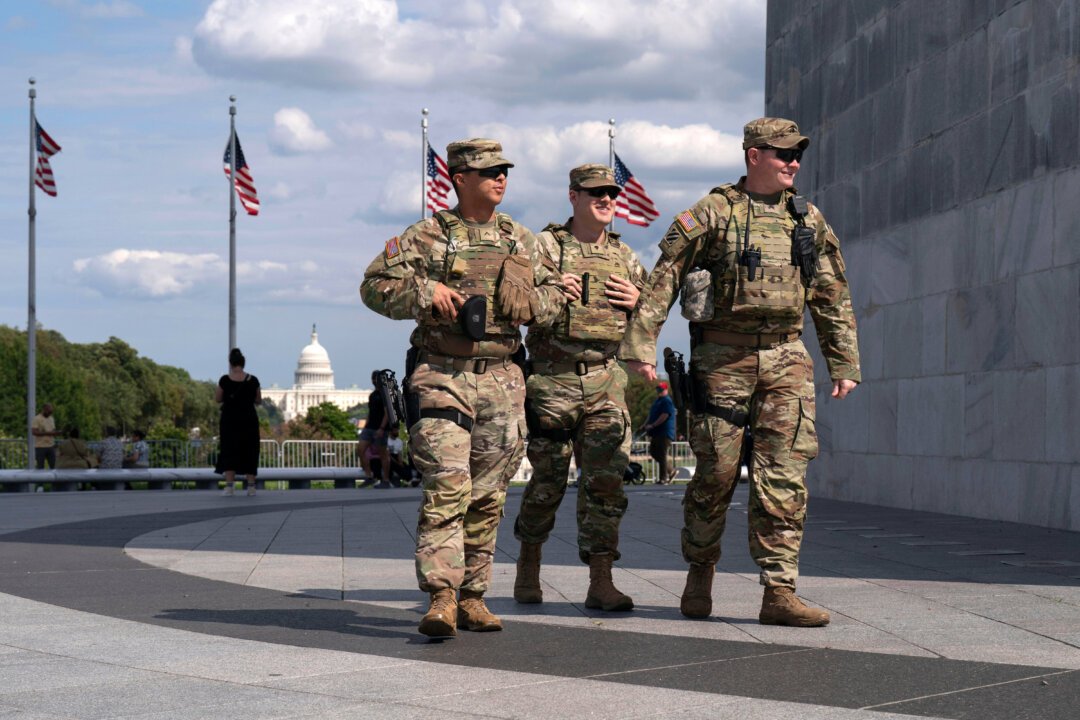
Washington D.C. has become a compelling case study for the effectiveness of federal intervention. The deployment of National Guard forces has produced remarkable results that even skeptics acknowledge. Democratic Mayor Muriel Bowser, typically a vocal Trump critic, publicly thanked the president for the military presence after violent crime plummeted by more than 50 percent and petty offenses dropped between 40 to 50 percent.
Beyond crime reduction, the administration has launched an ambitious urban renewal project in the nation’s capital. Union Station, long plagued by homeless encampments and drug activity, is undergoing restoration. The Kennedy Center is receiving upgrades, and plans for a grand ballroom addition to the White House are moving forward—all reportedly funded through private sources rather than taxpayer money. This vision of Washington as a restored symbol of American grandeur has garnered widespread support from both residents and the broader public.
However, the initiative faces pushback from some Democratic strongholds. Chicago officials have denounced federal law enforcement efforts as an “occupation,” claiming the federal government lacks jurisdiction in their city—a curious argument given that Chicago remains part of the United States. This resistance comes despite Metropolitan Chicago’s gun violence rate reportedly exceeding that of similarly sized Toronto by a factor of ten, clearly demonstrating the need for enhanced law enforcement presence.
The National Guard deployment strategy, while effective, carries substantial financial costs. The four-month Washington operation has exceeded $200 million, with guardsmen deployed from West Virginia after Democratic governors in neighboring states refused to assist. This expensive approach raises questions about long-term sustainability and the need for more cost-effective alternatives.
Similar Guard deployments in Los Angeles and other cities have helped contain riots protesting Immigration and Customs Enforcement (ICE) operations. Border Czar Tom Homan maintains that 74 percent of deportees have violent criminal histories, making them genuine public safety threats. Trump has consistently emphasized that ICE focuses on “the worst of the worst” among undocumented immigrants.
While these statistics may be accurate, they face scrutiny from critics and would benefit from transparent verification. Opposition voices, including much of the national media, argue that enforcement actions often target law-abiding families who entered illegally years ago but have since become productive community members, while genuinely dangerous individuals sometimes evade detection. Even accepting Homan’s figures at face value, 24 percent of deportees would lack violent histories, and these cases often become the subject of sympathetic media coverage in publications like The New York Times.
The recent surge in attacks against ICE agents justifies their use of protective gear, masks, and discrete operational methods during arrests. Trump’s strong defense of ICE personnel appears warranted, provided enforcement genuinely prioritizes serious offenders over long-term residents who have otherwise followed the law.
A potentially effective approach might mirror President Bill Clinton’s successful initiative to fund 100,000 additional police officers, ensuring deployment to high-crime areas rather than low-risk districts or administrative positions. Combining National Guard support with enhanced local policing could prove highly effective, though success depends on cooperation from often-resistant Democratic mayors. When local cooperation proves impossible, federal authorities may need to continue Guard deployments while requiring local governments to share the financial burden.
Less than one year into his presidency, Trump is delivering on key campaign promises with substantial public support behind him. However, it would represent a significant political miscalculation if minor adjustments in policy implementation prevent his administration from achieving unambiguous success. The president should take proactive steps to prevent inflammatory comparisons—particularly those invoking Nazi Germany—from gaining media traction. Politicians making such extreme comparisons should face accountability not only for their cities’ deterioration but also for contributing to divisive national rhetoric.
Views expressed in this article are opinions of the author and do not necessarily reflect the views of The Epoch Times.