







































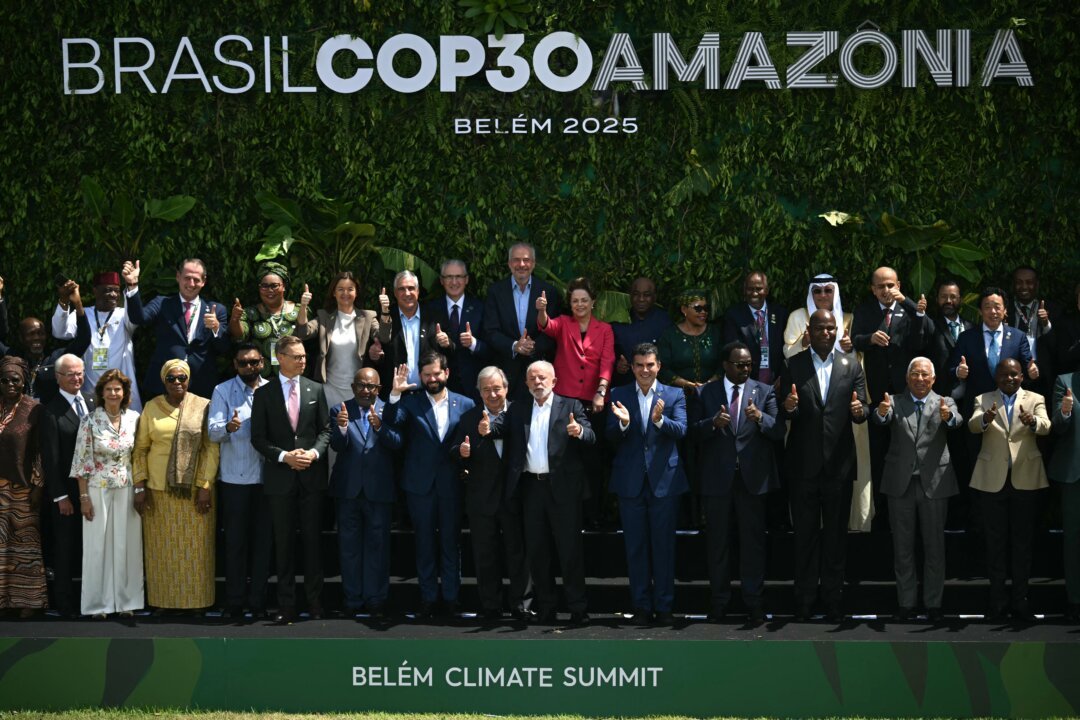
World leaders gathered in Belém, Brazil, for the COP30 UN Climate Conference on November 7, 2025, but according to international journalist Alex Newman, the real victor wasn’t environmental progress—it was the Chinese Communist Party’s strategic positioning on the global stage.

Writing from the heart of the Amazon region where the summit took place, Newman argues that China leveraged the climate conference to advance its geopolitical interests rather than genuinely address environmental concerns. The annual gathering, which brings together hundreds of world leaders and thousands of delegates, has become a crucial venue for international diplomacy beyond climate issues.
The CCP’s influence at international climate summits has grown substantially over recent years, with China positioning itself as a leader in renewable energy technology while simultaneously remaining the world’s largest carbon emitter. This apparent contradiction has sparked debate among climate policy experts about the sincerity of various nations’ environmental commitments.
Newman, an award-winning journalist and co-author of “Crimes of the Educators: How Utopians Are Using Government Schools to Destroy America’s Children,” has extensively covered international affairs and UN initiatives. His analysis suggests that climate summits have evolved into forums where major powers like China can project influence and shape global policy narratives.
The Belém summit marked a significant moment as it was held in Brazil’s Amazon region, bringing added symbolism to discussions about deforestation, biodiversity, and indigenous rights. However, critics argue that the focus has shifted away from actionable environmental solutions toward political maneuvering among world powers.
As nations continue to grapple with balancing economic growth and environmental protection, the role of major powers like China in shaping climate policy remains a contentious issue. The dynamics observed at COP30 may well influence how future international environmental agreements are negotiated and implemented.
The summit’s outcomes will likely be analyzed for months to come, particularly regarding how different nations’ strategic interests aligned with or diverged from stated climate objectives. For observers like Newman, the gathering represented another example of how international forums designed for environmental cooperation can become stages for broader geopolitical competition.