






































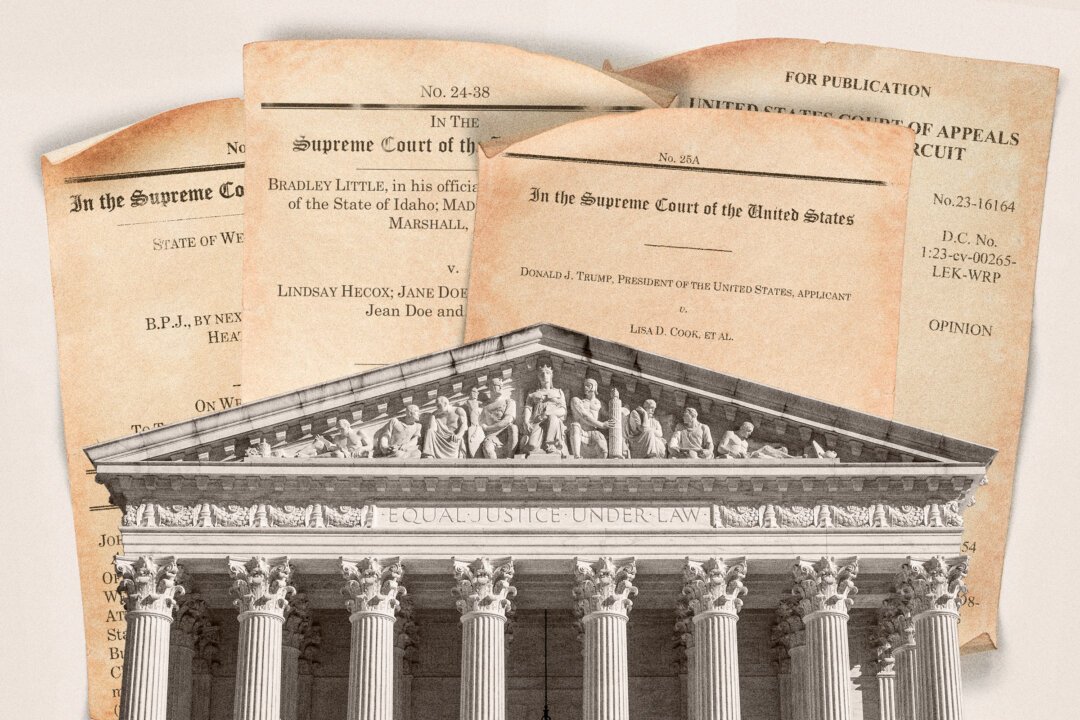
As the Supreme Court prepares to reconvene the week of January 12, the nation’s highest court faces a trio of cases that could fundamentally alter the legal landscape on some of America’s most contentious issues. The justices will grapple with complex questions surrounding transgender rights in sports, gun regulations, and presidential powers—decisions that promise to reverberate across the country for years to come.

These upcoming cases represent more than routine legal disputes; they embody the cultural and constitutional tensions that define modern America. Each case carries the potential to establish precedent on issues that have divided communities, sparked heated political debates, and challenged long-standing interpretations of federal law.
The Battle Over Girls’ Sports Takes Center Stage
On January 13, the Supreme Court will hear oral arguments in what many legal experts consider the most significant case of the term: the consolidated cases of West Virginia v. B.P.J. and Little v. Hecox. These cases directly challenge laws in West Virginia and Idaho that prohibit biological males from participating in female sports competitions.
The legal battle emerged from a growing national debate over how schools and athletic organizations should handle participation rules for transgender students. Both state laws at the center of these cases were designed to preserve what supporters call the integrity of women’s sports, while critics argue they constitute discrimination against transgender youth.
The Supreme Court’s eventual ruling will need to address fundamental questions about how federal anti-discrimination laws and constitutional protections apply to sex and gender identity. Legal scholars anticipate that the decision could establish nationwide standards for how educational institutions must handle similar situations, potentially affecting thousands of student athletes across the country.
The cases have drawn significant attention from advocacy groups on both sides of the issue. Supporters of the state laws argue that biological differences create unfair competitive advantages, while opponents contend that excluding transgender students violates their civil rights and causes psychological harm.
Gun Rights and Presidential Authority Also on the Docket
Beyond the transgender sports case, the Supreme Court will also tackle two other significant legal questions that could reshape federal law. One case involves gun rights, an area where the Court has been increasingly active in recent years following landmark decisions that expanded Second Amendment protections.
The third major case addresses presidential authority, specifically examining whether the president has the power to dismiss members of the Federal Reserve. This case could have far-reaching implications for the independence of federal agencies and the balance of power between the executive branch and regulatory bodies.
The Federal Reserve case is particularly noteworthy given the central bank’s crucial role in managing the nation’s economy. Any decision that enhances presidential control over Fed appointees could fundamentally alter how monetary policy is conducted and potentially impact the institution’s ability to make decisions independent of political pressure.
High Stakes for the Nation
These three cases arrive at a time when the Supreme Court’s composition and recent decisions have already shifted American jurisprudence significantly. The Court’s conservative majority has shown willingness to overturn long-standing precedents and take bold positions on controversial social issues.
Legal analysts expect that the outcomes of these cases will likely reflect the ideological divisions within the Court, though some hope for more nuanced decisions that could bridge different constitutional interpretations. The timing of these cases, early in 2026, suggests that the justices recognize the urgency and importance of providing clarity on these pressing legal questions.
As oral arguments approach, advocacy groups, legal scholars, and ordinary Americans are preparing for decisions that could influence everything from local school policies to the fundamental structure of federal government. The Supreme Court’s handling of these cases will undoubtedly shape legal and political discourse for the remainder of the decade and beyond.
With the Court set to resume its work in just days, all eyes will be on the justices as they navigate these complex constitutional questions that strike at the heart of American society’s ongoing debates about equality, rights, and governmental power.