





































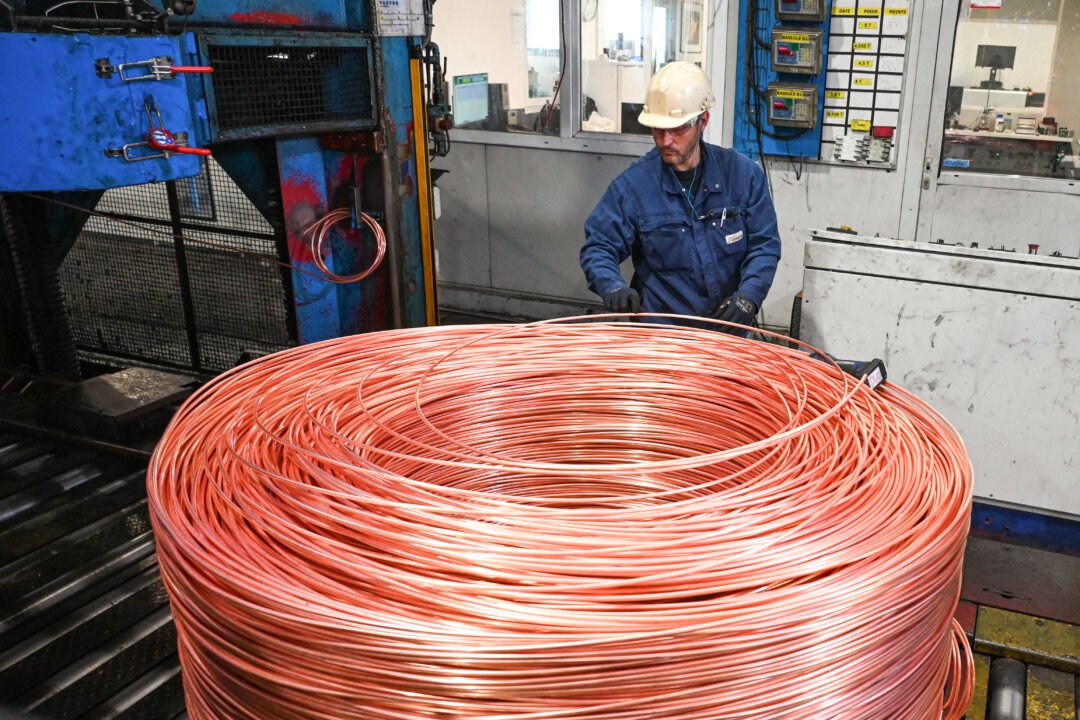
Copper concluded what market analysts are calling its most impressive performance in over a decade on a surprisingly subdued note, with the industrial metal retreating approximately 2 percent to close at $5.67 per pound on December 31, 2025.

Despite the year-end pullback that mirrored broader weakness across commodity markets, copper’s 2025 journey represents a remarkable success story. The red metal surged an impressive 41 percent over the course of the year, marking its strongest annual performance since the recovery period following the 2008-2009 financial crisis.
The December decline came as part of a coordinated selloff that swept through the metals complex, suggesting profit-taking activities as investors locked in gains from what proved to be an exceptional year for industrial commodities. Market participants had grown accustomed to copper’s steady climb throughout most of 2025, making the final month’s retreat particularly notable.
Copper’s stellar 2025 performance reflects the metal’s critical role in the global economy’s ongoing transformation, particularly as infrastructure development and green energy initiatives drove unprecedented demand. The industrial metal, often viewed as a barometer for economic health due to its widespread use in construction, electronics, and renewable energy systems, benefited from robust global growth patterns and supply chain optimizations.
The 41 percent annual gain places copper among the top-performing commodities of 2025, joining a broader metals boom that captured investor attention throughout the year. This surge represents a significant turnaround from previous years when copper prices struggled amid economic uncertainties and supply chain disruptions.
Industry observers note that copper’s 2025 rally was supported by multiple fundamental factors, including increased infrastructure spending in major economies, the accelerating transition to electric vehicles, and expanding renewable energy installations worldwide. These demand drivers helped offset periodic concerns about global economic growth and trade tensions.
The year-end decline, while modest in the context of copper’s overall 2025 gains, serves as a reminder of the volatile nature of commodity markets. Analysts suggest the December pullback may reflect normal market dynamics as traders repositioned portfolios heading into 2026, rather than any fundamental shift in copper’s underlying demand story.
Looking ahead, market watchers remain cautiously optimistic about copper’s prospects, citing continued infrastructure development needs and the ongoing energy transition as supportive factors. However, they also acknowledge that maintaining the momentum from 2025’s exceptional performance will likely prove challenging given the elevated price levels achieved.
The contrast between copper’s remarkable annual performance and its December stumble illustrates the complex dynamics at play in today’s commodity markets, where long-term structural trends compete with short-term trading pressures and profit-taking activities.