





































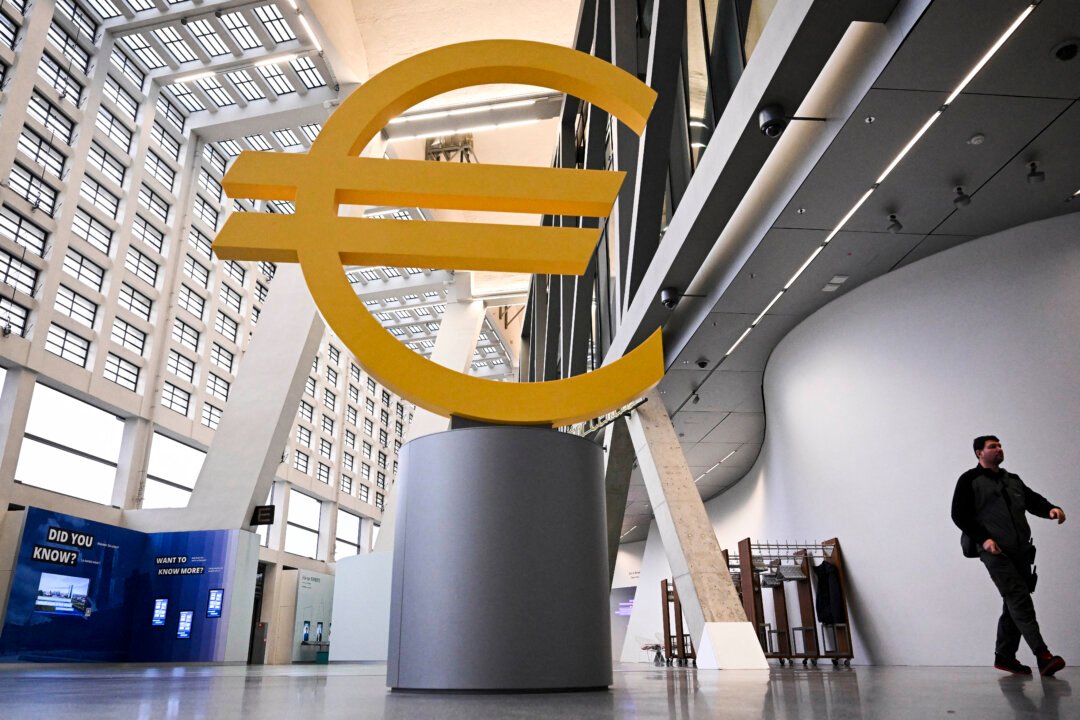
Bulgaria officially adopted the euro on January 1, 2026, marking a historic milestone as the Balkan nation became the 21st member of the eurozone and further consolidated Europe’s monetary union.

The momentous transition leaves just six countries within the 27-member European Union still operating with their own national currencies, bringing the bloc closer to complete monetary integration nearly three decades after the euro’s inception.
Bulgarian citizens and businesses had been preparing for months leading up to the currency changeover, with retailers displaying dual pricing in both the outgoing Bulgarian lev and the incoming euro. The conversion has been set at a fixed exchange rate of 51 euro cents to one Bulgarian lev, providing clarity and stability during the transition period.
Banks across the country updated their systems to reflect the new monetary reality, with accounts automatically converted to euros as the clock struck midnight on New Year’s Day. The careful preparation appears to have facilitated a smooth transition for the nation of approximately 6.9 million people.
Bulgaria’s entry into the eurozone represents the culmination of years of economic reforms and fiscal discipline required to meet the strict convergence criteria established by the European Central Bank and European Commission. The country had to demonstrate price stability, sound public finances, exchange rate stability, and long-term interest rate convergence.
The remaining six EU member states that continue to use their own currencies now represent a shrinking minority within the union. These holdout nations include Poland, Hungary, the Czech Republic, Romania, Sweden, and Denmark, each with varying timelines and political commitments regarding potential euro adoption.
For Bulgaria, joining the eurozone is expected to bring increased trade facilitation, reduced transaction costs, and enhanced economic stability through integration with Europe’s largest economies. The move also represents a symbolic step in the country’s continued integration with Western European institutions since joining the EU in 2007.
The successful launch of euro operations in Bulgaria demonstrates the continued appeal and expansion of Europe’s common currency project, even as the continent faces various economic and political challenges in the post-pandemic era.