





































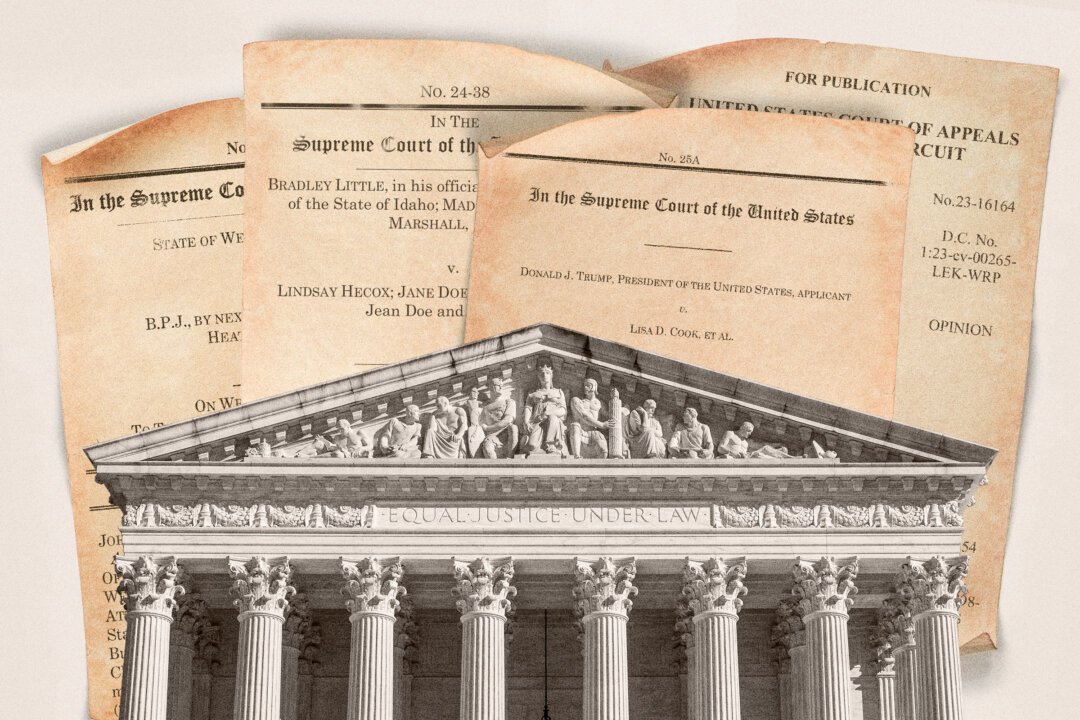
As America enters a pivotal year for constitutional law, the Supreme Court stands ready to tackle some of the nation’s most contentious issues when oral arguments resume the week of January 12. Three major cases awaiting the justices’ attention promise to reshape legal precedents around gender identity in sports, Second Amendment rights, and the limits of presidential authority.

The court’s decisions in these landmark cases will reverberate across American society, potentially affecting millions of students, gun owners, and federal employees while clarifying fundamental questions about constitutional interpretation in the modern era.
Battle Lines Drawn Over Girls’ Athletics
The most closely watched proceedings begin January 13, when the Supreme Court will simultaneously hear arguments in two interconnected cases that could define the future of gender and athletics in America. West Virginia v. B.P.J. and Little v. Hecox center on state legislation in West Virginia and Idaho that prohibits biological males from participating in female sports competitions.
These cases represent the culmination of years of heated debate surrounding transgender rights and Title IX protections. The justices face the challenging task of interpreting how federal anti-discrimination laws and constitutional principles apply to questions of sex versus gender identity—a distinction that has become increasingly significant in American legal and social discourse.
Legal experts anticipate the court’s ruling will establish nationwide precedent for similar disputes playing out in state legislatures and lower courts across the country. The decision could affect thousands of student athletes and fundamentally alter how educational institutions navigate gender-related policies.
Second Amendment Rights Under Scrutiny
Gun rights advocates and control proponents alike are monitoring the court’s upcoming examination of firearms regulations, as the justices prepare to weigh in on legislation that could expand or restrict Second Amendment protections. The case promises to build upon recent Supreme Court decisions that have generally favored broader interpretations of gun ownership rights.
This legal challenge arrives at a time when communities nationwide continue grappling with gun violence while lawmakers debate the balance between public safety measures and constitutional liberties. The court’s eventual ruling may influence how states craft future firearms legislation and could impact existing gun control measures.
Presidential Power Meets Federal Independence
Perhaps the most constitutionally significant case involves a direct challenge to presidential authority over federal institutions. The dispute centers on the president’s attempt to remove a Federal Reserve member, raising fundamental questions about the separation of powers and the independence of federal agencies.
This case touches the heart of American governance, exploring whether the executive branch can unilaterally dismiss officials from institutions designed to operate with some degree of independence from political influence. The Federal Reserve, which plays a crucial role in managing the nation’s monetary policy, has traditionally maintained operational autonomy to insulate economic decisions from short-term political pressures.
Constitutional scholars view this case as potentially precedent-setting for executive power, with implications extending far beyond the Federal Reserve to other independent agencies and commissions throughout the federal government.
High Stakes for American Democracy
As the Supreme Court prepares to address these complex legal questions, the nation watches with keen interest. Each case represents years of litigation that began in lower courts before reaching the highest judicial authority in the land.
The timing of these decisions, coming early in 2026, ensures they will influence ongoing political and social debates throughout the year. Legal analysts expect the rulings to generate significant public discussion and potentially prompt legislative responses at both state and federal levels.
The Supreme Court’s handling of these cases will demonstrate how the current composition of justices approaches some of the most divisive issues in contemporary American society, from gender identity and sports participation to gun regulations and the balance of governmental power.
With oral arguments beginning shortly, attorneys on all sides are making final preparations for what promise to be intense legal battles that will help define American law for years to come.