





































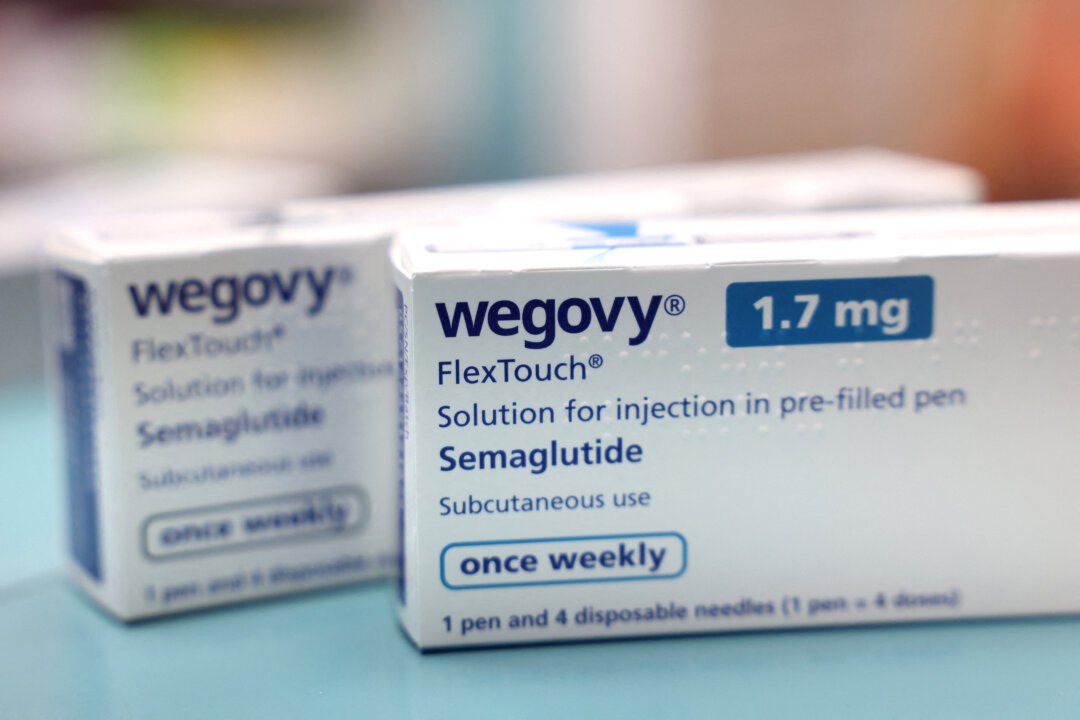
Pharmaceutical giant Novo Nordisk has voluntarily recalled multiple lots of its popular weight-loss drug Wegovy after a disturbing discovery: hair was detected inside a prefilled syringe, according to two separate notices issued by the Food and Drug Administration this week.

The recall affects two different dosage strengths of the semaglutide-based medication, both packaged as single-dose prefilled injection pens. The first FDA notice, published on December 31, covers four lots of Wegovy’s 0.5 mg/0.5 mL dose formulation. A second notice released the same day addresses four lots of the higher-strength 1 mg/0.5 mL version.
The contamination represents a significant quality control failure for the Danish pharmaceutical company, which has seen explosive demand for Wegovy since its approval for weight management. The medication, which mimics a hormone that regulates blood sugar and slows digestion, has become one of the most sought-after treatments for obesity in recent years.
While Novo Nordisk initiated the recall voluntarily, the company has not disclosed the exact number of lots affected by the contamination. This lack of transparency leaves patients and healthcare providers uncertain about the scope of the quality control breach.
The presence of foreign material in injectable medications poses serious health risks, including potential infections, allergic reactions, and other adverse effects. Patients who inject contaminated products could face complications ranging from localized irritation to more severe systemic reactions.
The recall comes at a time when Wegovy and similar GLP-1 receptor agonists have revolutionized obesity treatment, offering patients significant weight loss results that were previously difficult to achieve with medication alone. The drug’s popularity has led to widespread shortages and intense competition among patients seeking access to the treatment.
Healthcare providers are being urged to check their inventory for affected lots and discontinue use of any recalled products immediately. Patients currently using Wegovy should examine their medication packaging and consult with their healthcare providers if they have concerns about their specific lot numbers.
The FDA continues to monitor the situation closely as Novo Nordisk works to address the manufacturing issues that led to the contamination. The agency has not yet announced any additional regulatory actions related to this recall.
This incident underscores the critical importance of rigorous quality control measures in pharmaceutical manufacturing, particularly for injectable medications that bypass the body’s natural barriers and enter directly into the bloodstream.